Newsletters


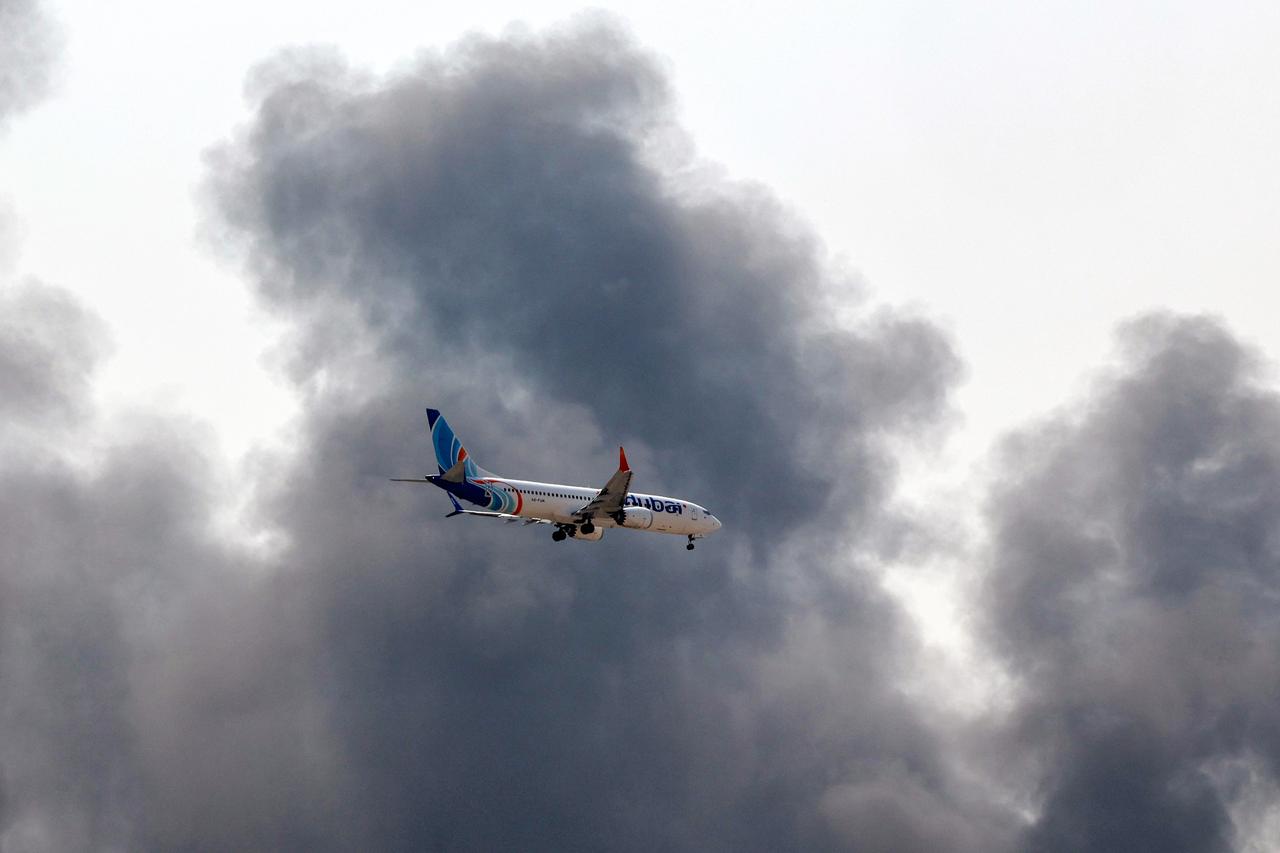


The world's 20 largest publicly listed airlines have lost approximately $53 billion in market capitalization since the U.S.-Israel war on Iran began on Feb. 28.
The jet fuel costs are doubling and executives are warning of potential shortages within weeks, as the industry confronts what one chief executive described as its worst crisis since the COVID-19 pandemic, the Financial Times (FT) reported.
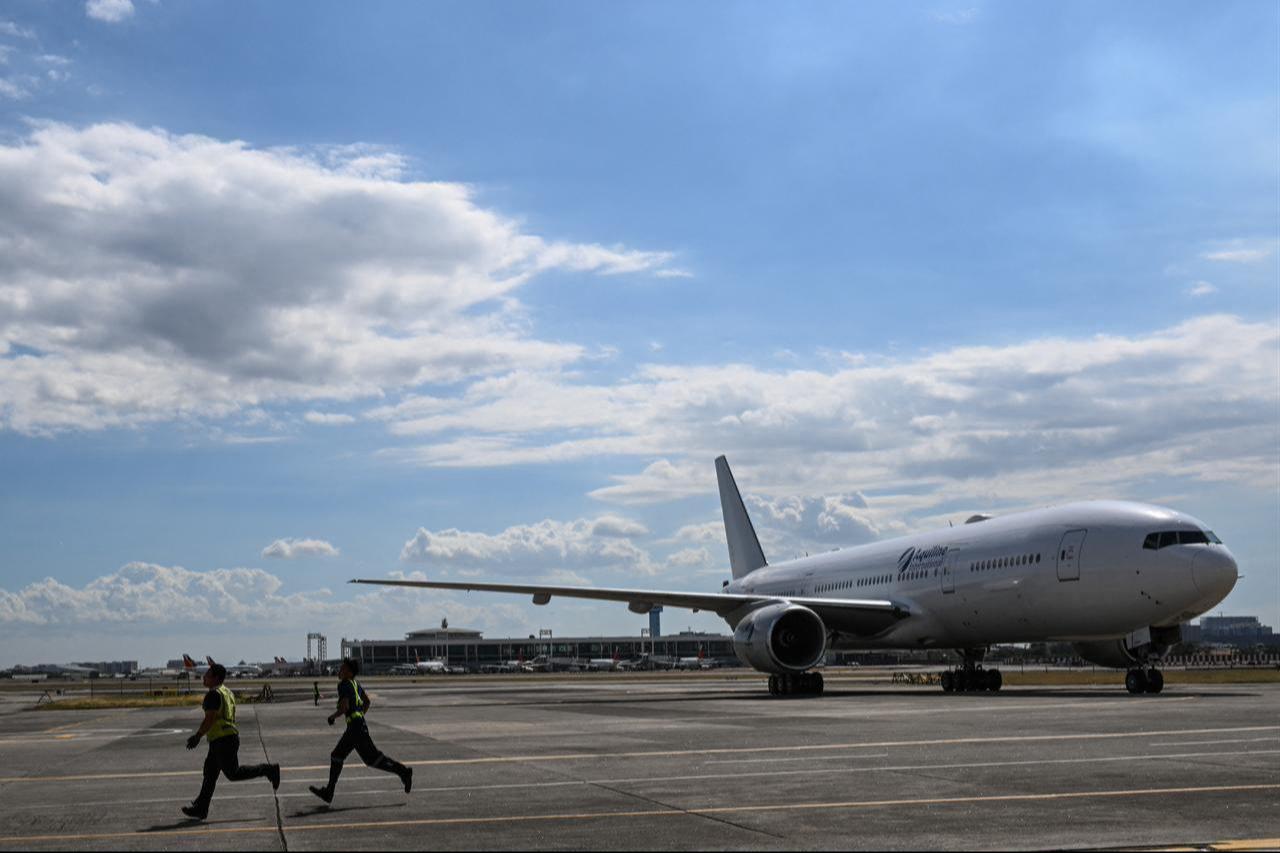

The 20 largest publicly listed airlines have shed approximately $53 billion in market value since the war began, according to FT calculations.
Investors have also increased bets on further declines, with Wizz Air now the most shorted company on the FTSE 100, and easyJet also targeted by short sellers.
EasyJet chief executive Kenton Jarvis said the conflict marked the severest upheaval for the industry since the pandemic closed the skies in 2020.
"Fuel spiked quite heavily after the Ukraine invasion in 2022 as well, but this has gone further north," Jarvis said.
He added that airline share prices would likely rebound quickly once the war ends. "I think they'll close their position quite quickly if any ceasefires are announced."
Willie Walsh, director general of the International Air Transport Association and former head of British Airways, said the disruption is "more akin to the post-9/11 transatlantic issues where demand for transatlantic flying declined significantly," though he added it remained dwarfed by the pandemic crisis.
"This is a bigger supply issue than we've seen before," Walsh also warned.
Jet fuel, which accounts for approximately a third of airlines' costs, has doubled since the start of the war and is still rising. Brent crude is trading at $112.190 in international futures markets.
Lufthansa chief executive Carsten Spohr said higher prices will inevitably be passed on to passengers.
"Our average profit is about €10 per passenger, there's no way you can absorb the additional cost," Spohr said, adding he fears higher prices could dent demand over the longer term.
Measures, including the International Energy Agency (IEA) member countries agreeing to release 400 million barrels of strategic petroleum reserves, the U.S. granting temporary sanctions exemptions on Russian oil at sea, and suspending certain maritime laws, have not been sufficient to halt the rise in oil prices.
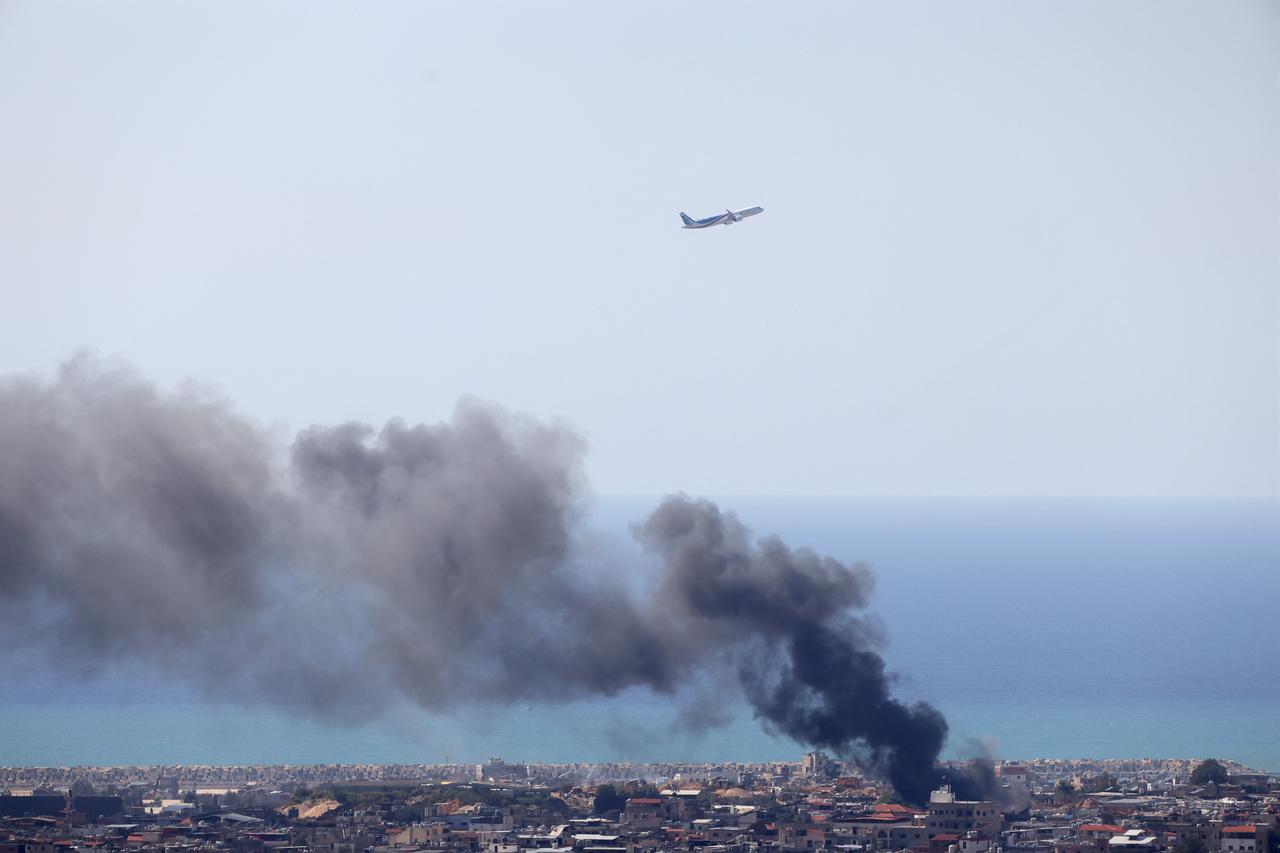
EasyJet's Jarvis said suppliers had guaranteed deliveries for the next three weeks but offered little reassurance beyond that.
"No-one's telling us 'we have no immediate issues in six weeks', because they're not prepared to say that," Jarvis said.
Air France-KLM chief executive Ben Smith said the carrier is preparing contingency plans, including cutting services to parts of Asia.
"We're putting in plans today to draw up scenarios on how we would deal with the shortage of fuel," Smith said. He noted that South-East Asia is particularly exposed.
"South-east Asia is much more dependent on fuel coming over the Gulf than Europe is. We can get fuel out of Europe, but when we go to a south east-Asian city we're not going to be able to fly the plane back. If there's no fuel, you can't fly," he added.
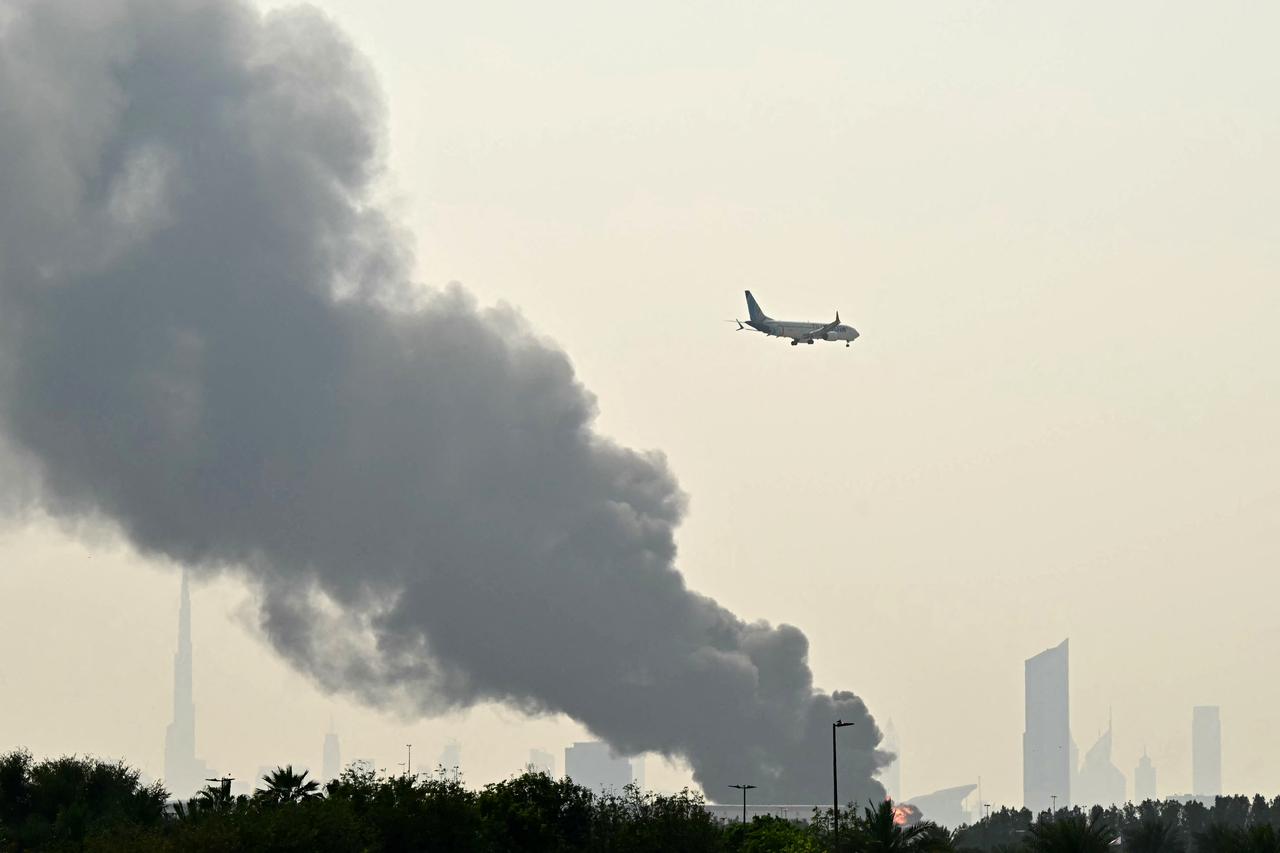
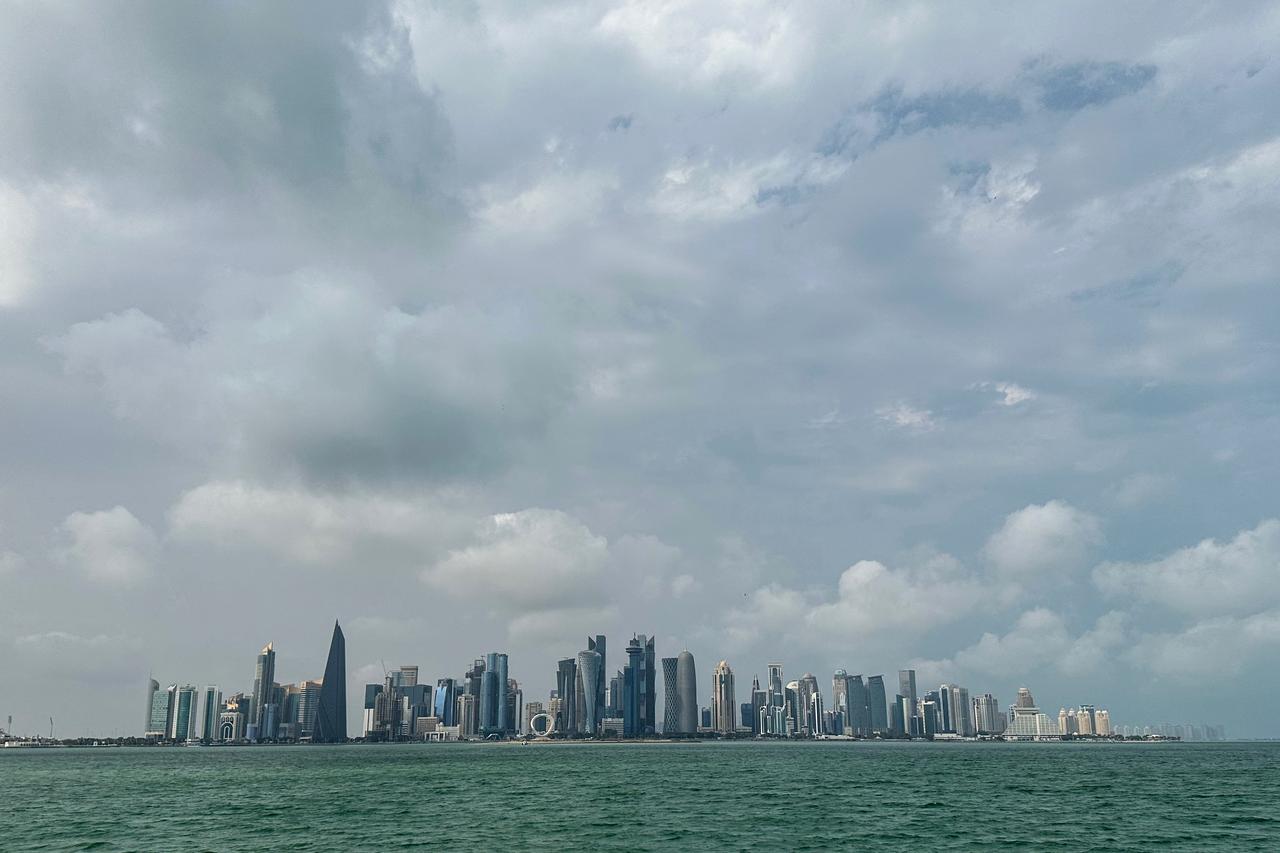
The epicentre of the crisis remains in the Gulf, where Emirates, Etihad and Qatar have been forced to dramatically cut their schedules amid airspace closures and the collapse of regional tourism.
Andrew Charlton, head of Aviation Advocacy consultancy, said the Gulf's flag carriers are likely to require cash injections from their state owners. "If you're an airline without state backing you are going to be in trouble," Charlton said.
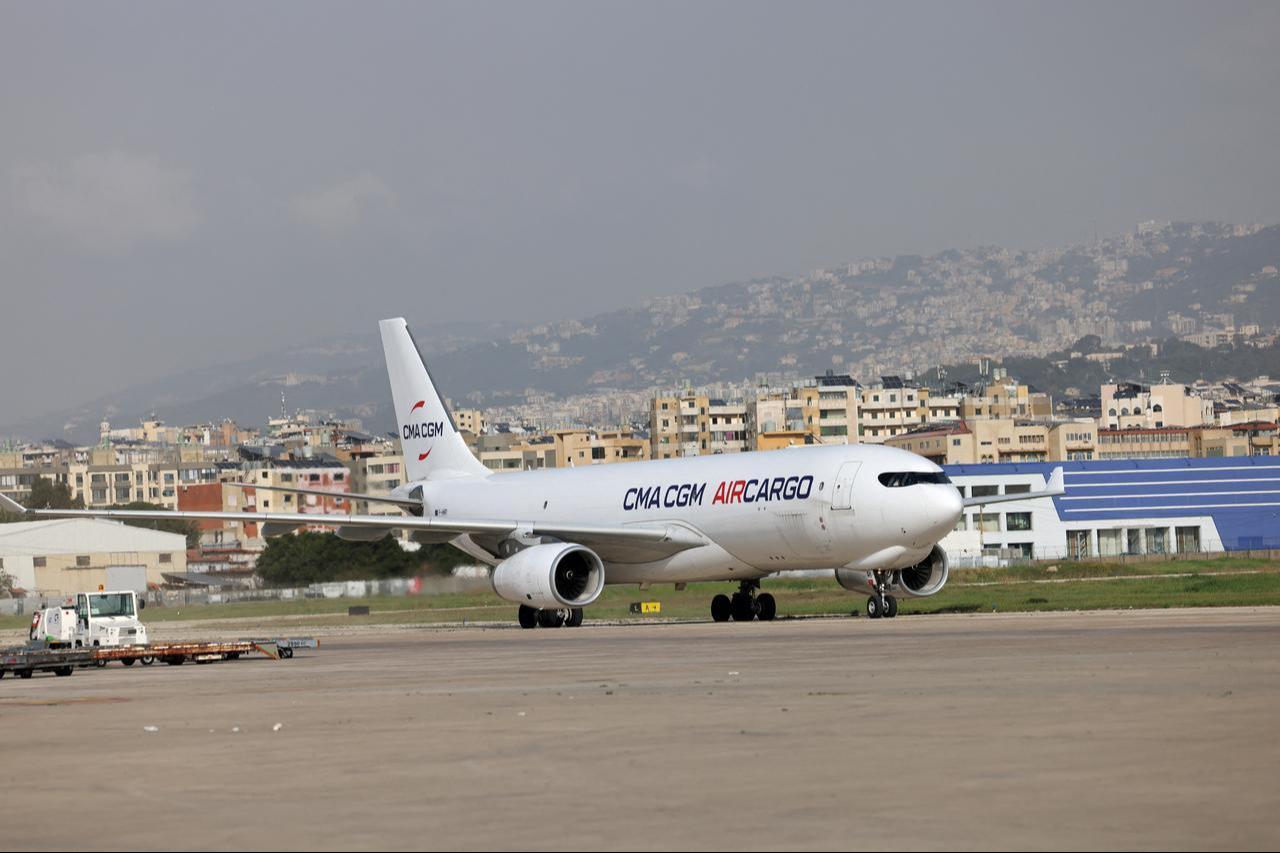
The disruption has extended to cargo, with freight shifting from disrupted global shipping to aircraft, leaving some airports overwhelmed.
Goods sent to Geneva airport are being driven to Paris because planes departing the Swiss base are full, according to Giovanni Russo, who heads operations at the airport.
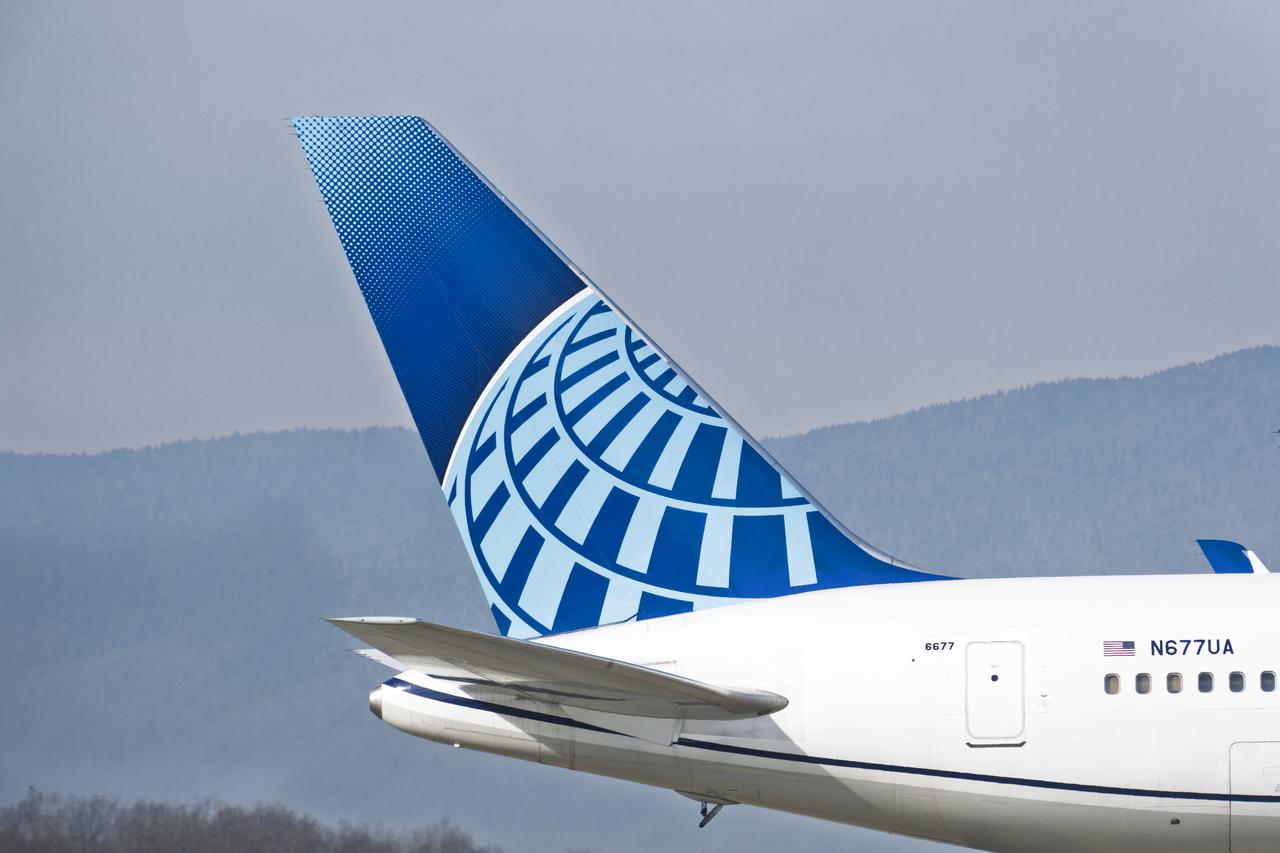
United Airlines announced it is scaling back flight capacity due to soaring jet fuel costs, representing "about five points of this year's planned capacity in the short term," United chief Scott Kirby said.
Kirby said the airline's plans assume oil rises to $175 a barrel and does not return to $100 until the end of 2027.
At current prices, United's annual fuel bill would balloon by an extra $11 billion. "For now, passenger demand remains strong and United will not cut jobs or delay investments," Kirby said, adding that the airline still plans to take delivery of approximately 120 new planes this year.


 Set as preferred source
 Set as preferred source


 1 min read
 1 min read