Newsletters


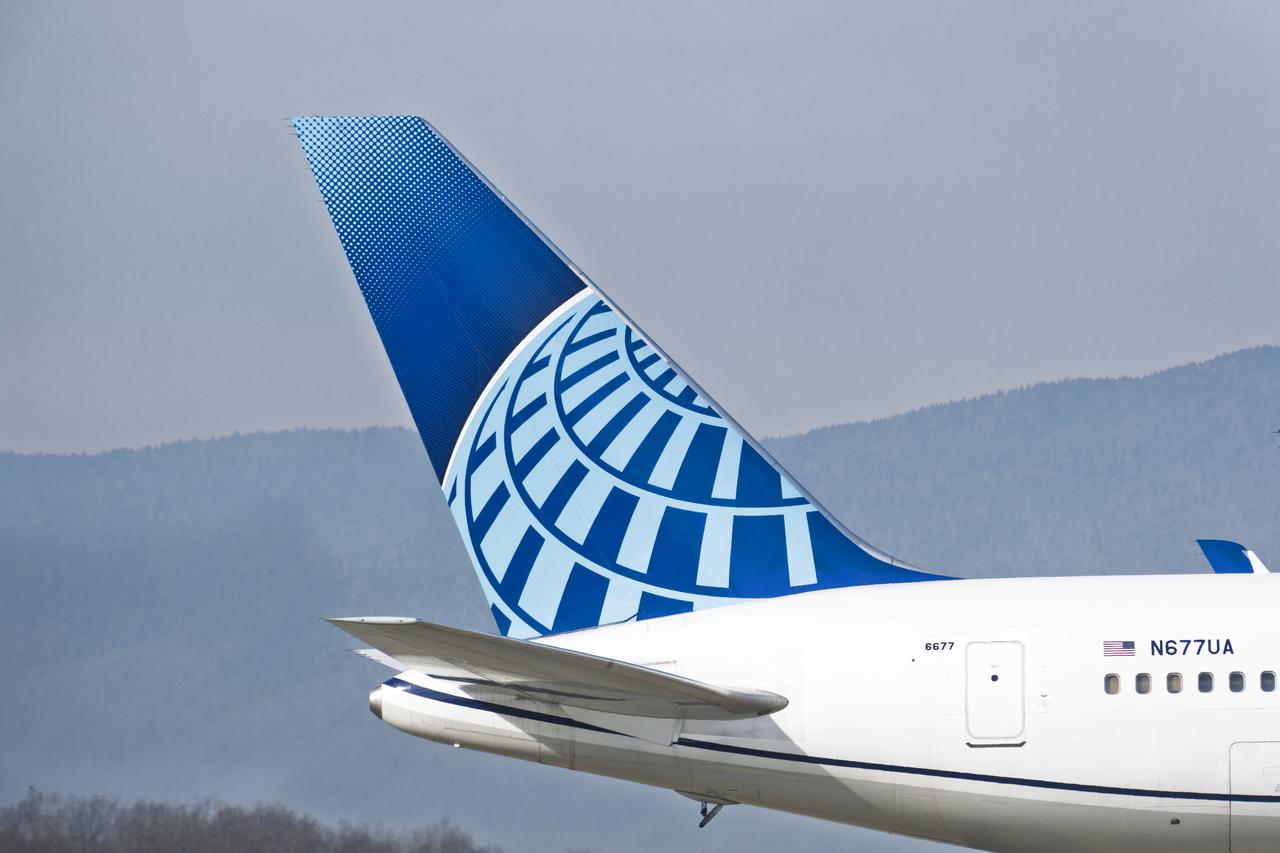


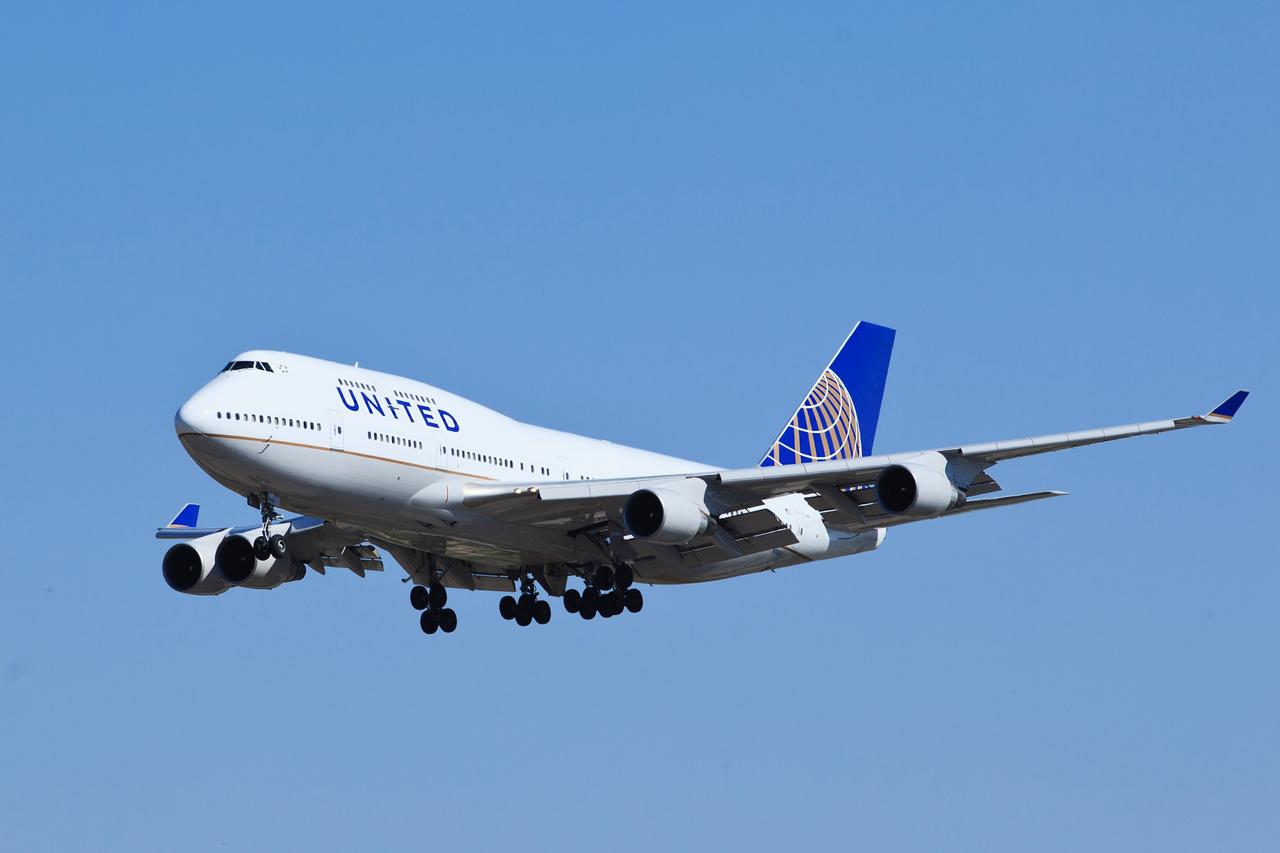
United Airlines decided to scale back planned flight capacity as jet fuel costs climb sharply alongside rising crude prices, with the carrier preparing for a prolonged period of elevated energy costs.
Benchmark oil prices have climbed to around $100 per barrel over the past three weeks, prompting the airline to revise its assumptions. Chief Executive Scott Kirby told employees that the company's planning now factors in oil reaching $175 per barrel and staying above $100 until the end of 2027.
Jet fuel prices in the U.S. surged to $4.56 as of Mar. 20, according to the Argus U.S. Jet Fuel Index, implying an increase of over 80% since the beginning of the war.
The airline said that, at current price levels, its annual fuel bill would increase by an additional $11 billion. In response, United plans to cut flights on routes that are no longer profitable, reducing capacity by about five percentage points in the near term.
Despite the cost pressure, the company said demand for air travel remains strong. It does not plan job cuts, cost reductions, or delays in aircraft deliveries and still expects to receive around 120 new planes this year.
United Airlines carried more than 181 million passengers in 2025, averaging over 496,000 per day in the fourth quarter, with a fleet of more than 1,000 aircraft. The company generated $59.1 billion in revenue over the year.

Concerns over rising costs stem from the effective closure of the Strait of Hormuz, a key route that carries roughly a fifth of global oil and gas supply. Since the Iran war began on Feb. 28, the strait has remained largely shut due to soaring war-risk insurance costs and Iran’s warnings against unauthorized transit.
U.S.-based credit rating agency Fitch also flagged upside risks tied to disruptions in the waterway, saying Brent crude could average $120 per barrel in 2026 if the route remains effectively closed for six months.
In a three-month disruption scenario, prices average $100 for the year and rise to around $130 before easing to $90 by year-end, while a six-month disruption pushes prices between $130 and $170 before falling back to roughly $90. The agency maintains a $70 baseline for 2026, up from a pre-conflict $63.
It said a full closure of the Strait of Hormuz could disrupt about 15 million barrels per day, though limited flows may continue, adding that volatility is likely to persist amid geopolitical risks and uncertainty over the conflict, disruptions, and shipping routes.
As of Friday’s close, Brent crude stood at $112.36 per barrel, more than double its level before the conflict began on Feb. 28.


 Set as preferred source
 Set as preferred source


 1 min read
 1 min read