Newsletters


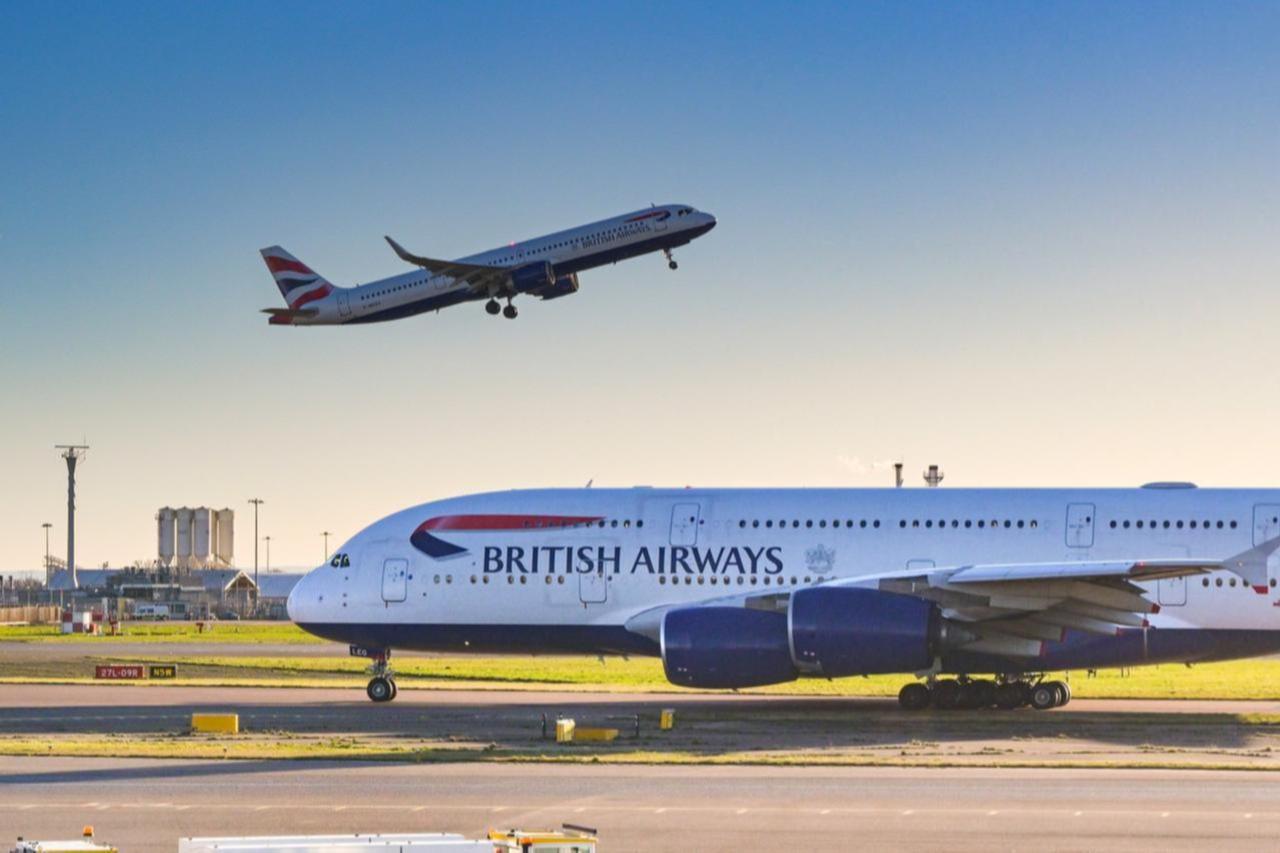


British holidaymakers travelling to Türkiye, Spain, Portugal, Italy and France this summer could face higher fares, reduced flight options and possible schedule changes as airlines respond to rising aviation fuel costs.
The alert comes ahead of the peak summer season, when millions of Britons travel to Mediterranean and European destinations, including Türkiye, which remains one of the most popular holiday markets for U.K. tourists.
The Express reported that several airlines have already reduced schedules to control fuel use and operating costs amid growing concern over global fuel supply pressure.
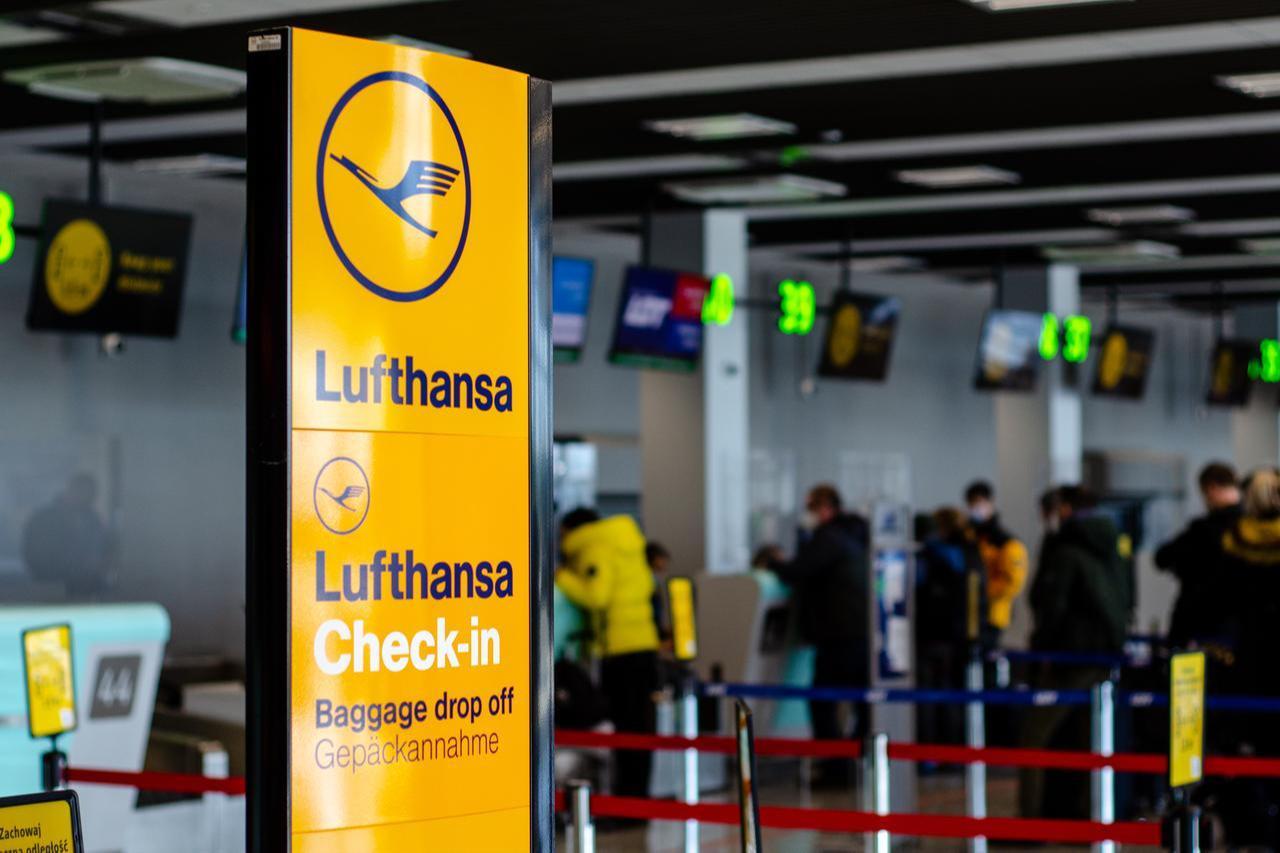
Germany’s Lufthansa is among the carriers reducing services as global flight cancellations surpass 13,000 this May, resulting in a loss of roughly 2 million seats.
According to aviation analytics firm Cirium's data, the number of airline seats available worldwide in May fell from 132 million to 130 million between April 10 and April 21.
“The longer the crisis goes on, the more cuts should be expected,” Cirium said.

The pressure has been linked to rising aviation fuel costs and disruption concerns around the Strait of Hormuz, one of the world’s most important routes for oil and fuel shipments.
Reports said disruption around the route has affected around 30% of Europe’s aviation fuel shipments, forcing buyers to seek alternative supplies from regions including the United States and West Africa. The rush for replacement supplies has reportedly pushed prices higher, adding pressure on airlines already preparing for one of the busiest travel periods of the year.
British carriers are also facing rising cost pressures. Airlines easyJet and British Airways have warned that higher fuel costs are likely to feed into ticket prices, raising the prospect of more expensive summer travel for passengers booking late or trying to change existing plans.
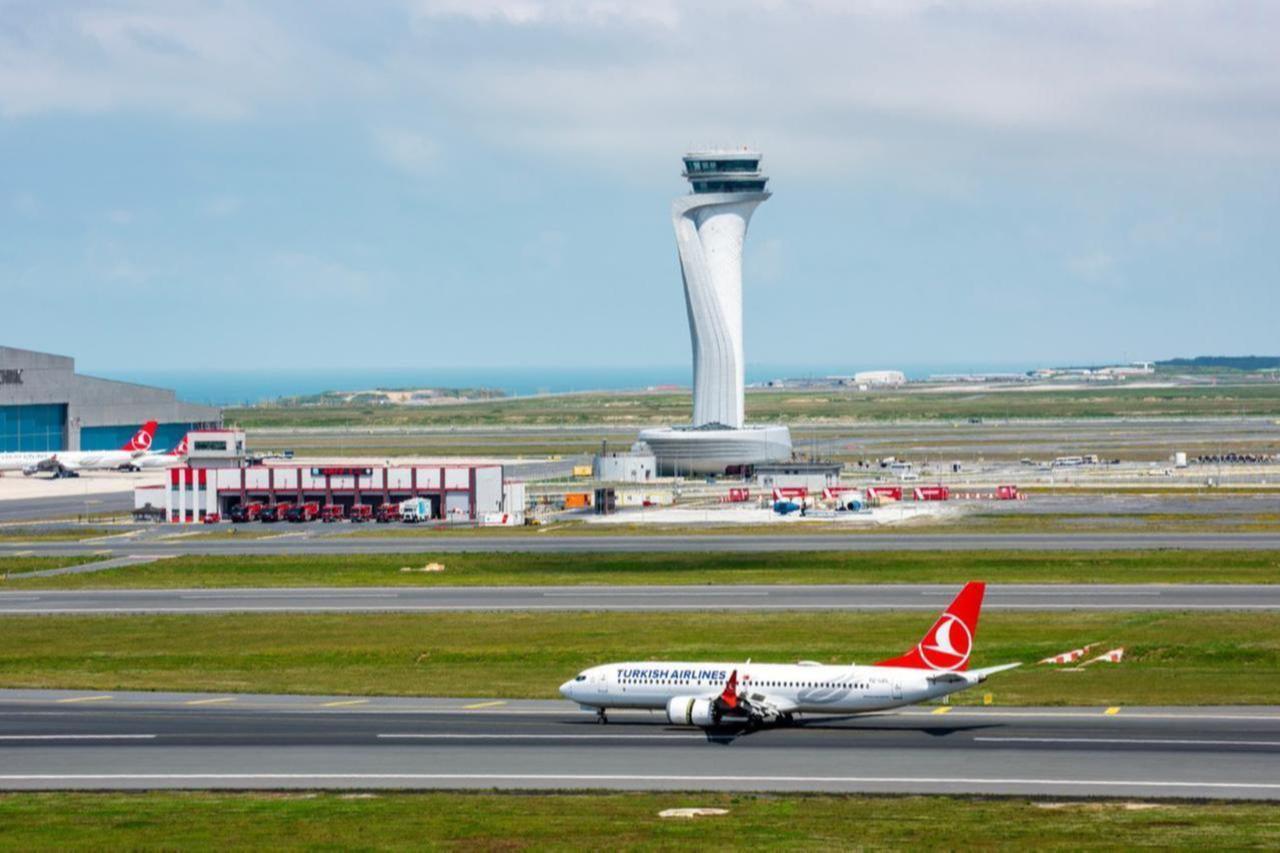
For travellers heading to Türkiye, the issue could affect popular summer routes to Istanbul, Antalya and Bodrum, particularly during peak travel periods when seat availability is already tight. Spain, Portugal, Italy and France may face similar pressure because of their heavy dependence on seasonal leisure travel from the U.K.
A separate analysis by French bank Societe Generale suggested that if only half of the missing fuel supply is replaced, the aviation fuel reserves could fall to critical levels by June. That could increase the risk of airport-specific shortages and further cancellations if supply conditions worsen.
Bryan Terry, managing director of Alton Aviation Consulting, said more airlines are expected to announce schedule reductions in the coming weeks.
“We anticipate additional cuts, particularly from carriers that have yet to make announcements,” Terry told The i Paper.
“Every airline will be paring schedules, dropping the most unprofitable routes and reducing frequencies on busy routes where capacity exceeds demand,” he added.
Terry said airlines usually adjust schedules with a delay after a supply shock, meaning decisions affecting June and July flights could be made soon.
“Airlines typically adjust schedules on a four to eight week lag after a supply shock,” he said.
That timing matters for travellers who have already booked summer holidays, especially those relying on connecting flights, budget carriers or limited seasonal routes. Reduced frequencies may not always mean full route cancellations, but they can leave passengers with fewer alternatives if flights are changed, delayed or withdrawn.

Despite the warnings, the U.K. government has said airlines are not currently facing an immediate shortage of aviation fuel.
“U.K. airlines are clear that they are not currently seeing a shortage of jet fuel. Aviation fuel is typically bought in advance, and airports and suppliers keep stocks of bunkered fuel to support their resilience,” a government spokesperson said.
The statement suggests that immediate travel plans are not necessarily at risk, but the wider fuel market remains under close scrutiny before the busiest weeks of the summer season.
For passengers travelling to Türkiye or Europe, the main practical risks are likely to be higher fares, reduced seat availability and possible schedule changes rather than a blanket disruption to all routes. Travellers are being advised to monitor airline updates closely, avoid leaving bookings until the last minute where possible, and allow extra flexibility if flying during peak holiday dates.


 Set as preferred source
 Set as preferred source


 1 min read