Newsletters


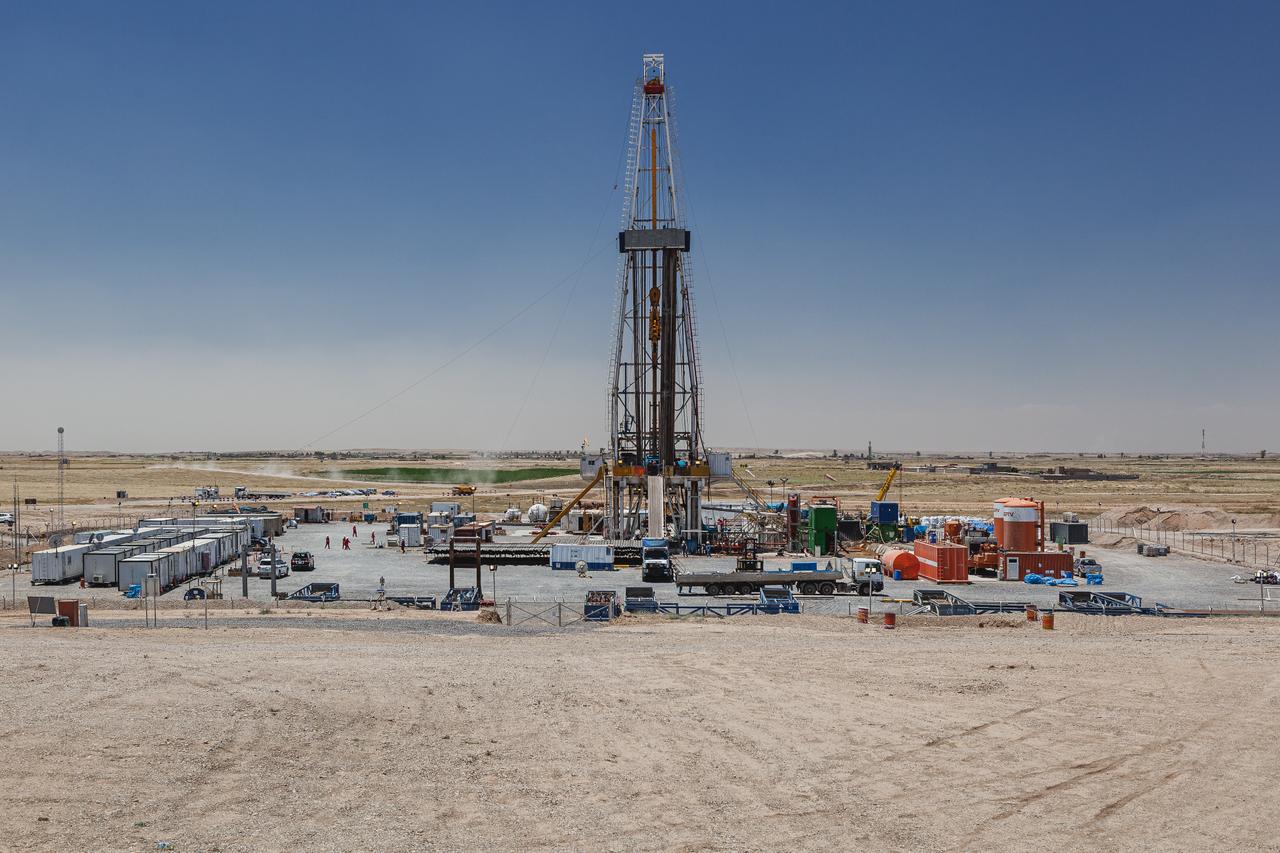


Iraq’s Oil Ministry announced Wednesday the discovery of a major oilfield in the country’s southern Najaf province near the Saudi border, with one exploration block estimated to contain more than 8.8 billion barrels of crude reserves.
The ministry stated that the Qarnain block marked the first confirmed oil discovery in the exploration area, which spans nearly 8,773 square kilometers (94.4 billion square feet) in southwestern Iraq along the Saudi border.
According to the statement, drilling at the Shams-11 exploratory well revealed light crude oil, with an initial production capacity of 3,248 barrels per day.
The announcement came during a meeting between Iraqi Oil Minister Hayyan Abdul Ghani and representatives from China’s state-owned ZhenHua Oil, who reviewed progress at the al-Qarnain site and discussed the use of advanced drilling technologies.
ZhenHua, through its subsidiary Qurnain Petroleum Limited, recently took over as lead operator for exploratory drilling and seismic survey operations in the block. The ministry noted that the company had proposed a fast-track investment plan aimed at quickly moving the field into commercial production.
The discovery also coincided with Iraq’s broader push to expand its energy infrastructure, as Baghdad accelerates work on a multi-billion-dollar oil pipeline linking the southern province of Basra to the town of Haditha in Anbar province near the Syrian border, with a planned capacity of 2.5 million barrels per day.
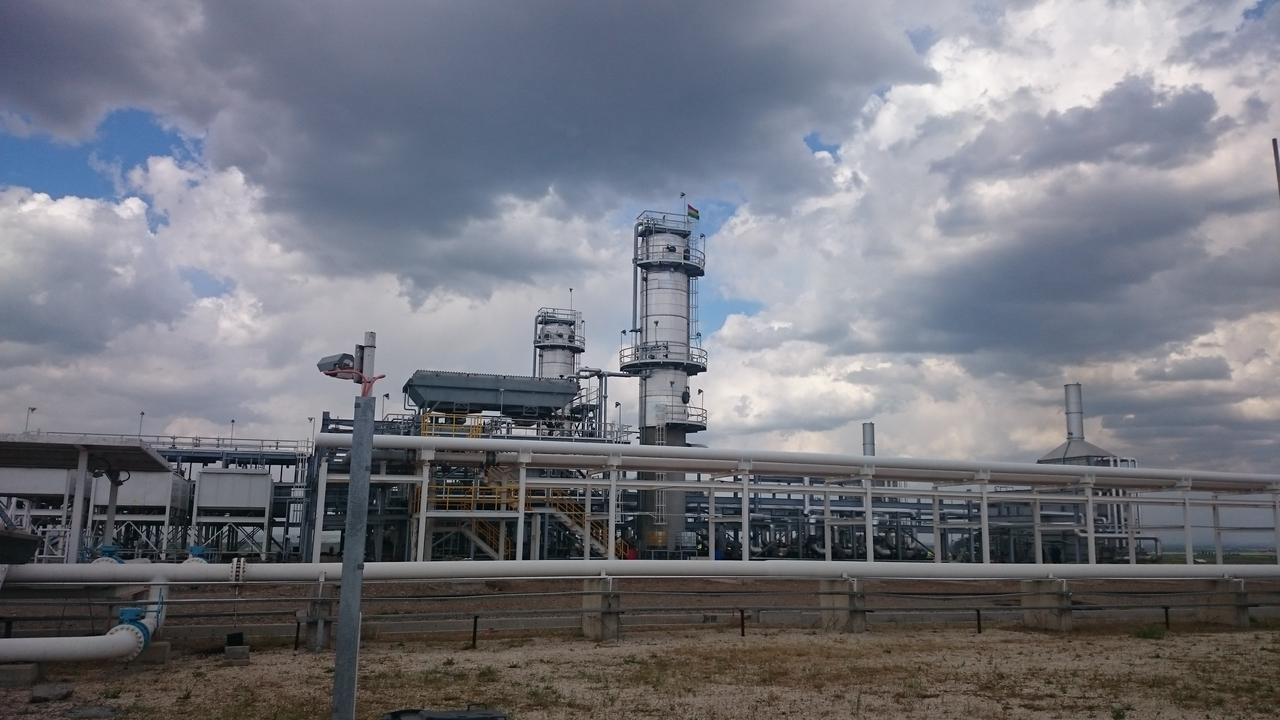

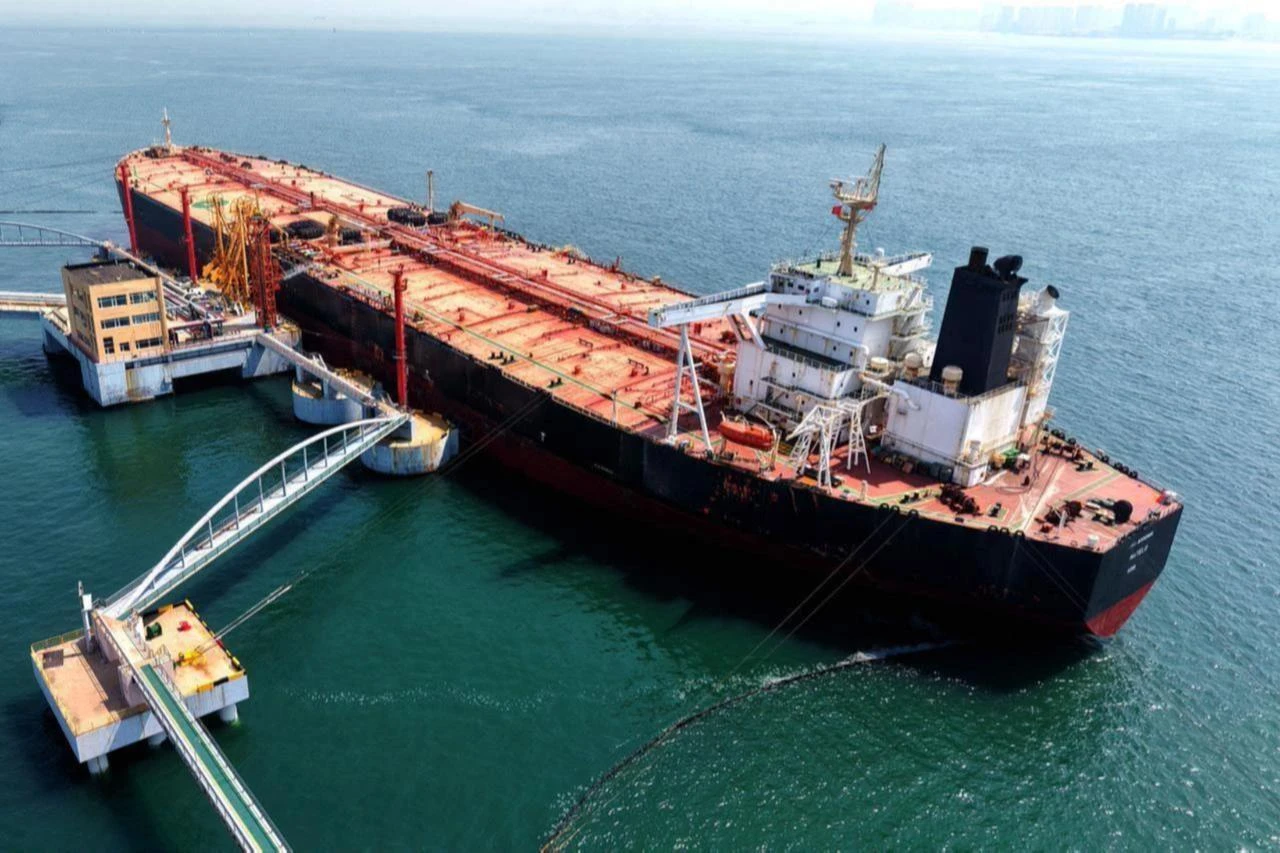
The new discovery comes as Iraq faces severe pressure on oil exports following disruptions in the Strait of Hormuz, a key route for the country’s energy shipments.
Before regional tensions escalated, Iraq produced around 4.5 million barrels of oil per day, ranking second in OPEC, and exported roughly 3.5 million barrels daily, with nearly 90% of shipments passing through the strategic waterway.
Official figures from the Oil Ministry showed that exports dropped to 18.6 million barrels in March, generating approximately $1.96 billion in revenue, down about 81% from more than 99 million barrels and $6.81 billion recorded in February.
The country already holds the world’s fifth-largest proven oil reserves at 145 billion barrels, accounting for 17% of the Middle East’s total and 8% of global reserves, according to the U.S. Energy Information Administration (EIA).


 Set as preferred source
 Set as preferred source


 1 min read
 1 min read