

 Newsletters


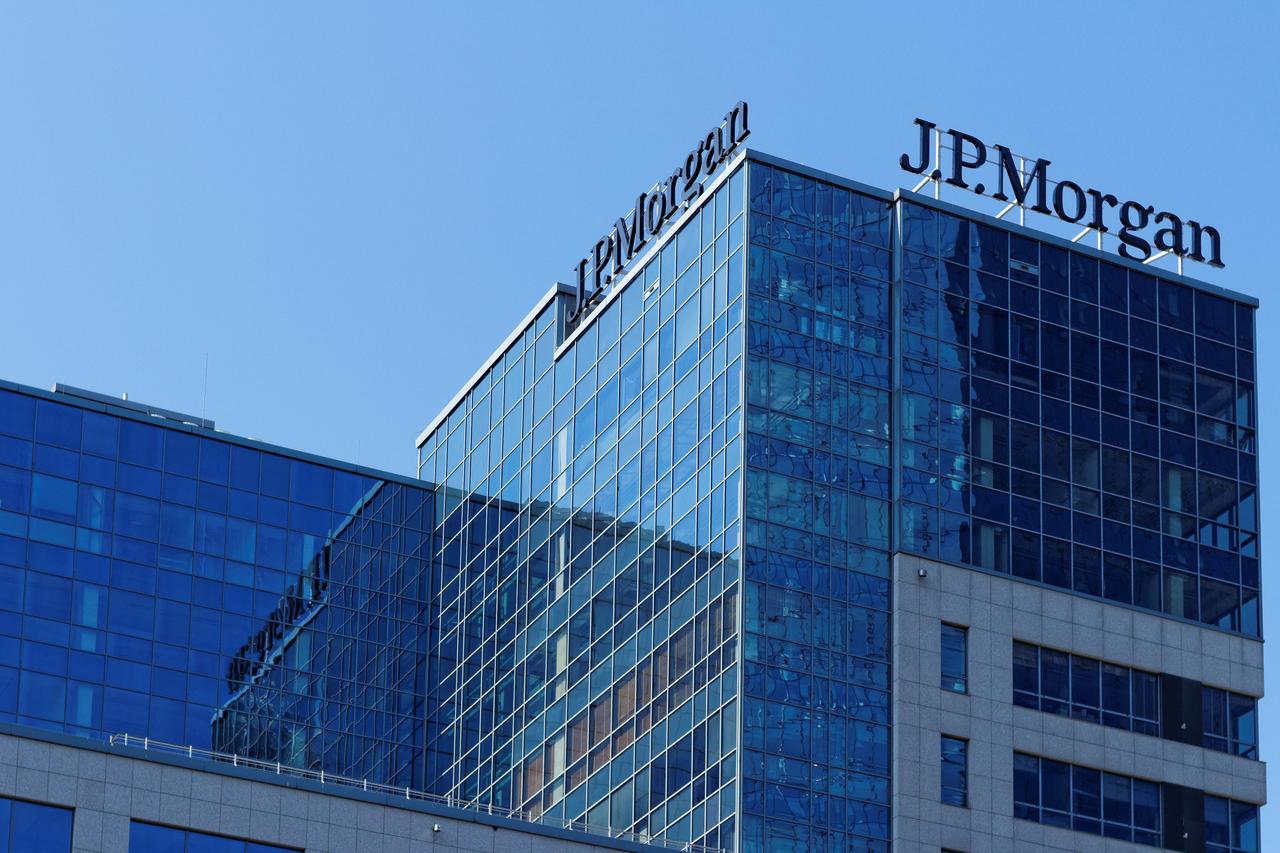


Investment bank JPMorgan said Friday it expects Türkiye’s central bank to raise its benchmark interest rate to 40%, warning that the move could come even before the next scheduled policy meeting in June.
“Rising political risks come at an unhelpful time for the lira,” JPMorgan analysts said in a research note.
“We now expect the Central Bank of the Republic of Türkiye (CBRT) to hike its one-week repo rate to 40%, from the current 37%, at the June 11 Monetary Policy Committee meeting, or potentially earlier,” the note said.
The forecast came as Turkish markets faced renewed pressure following a court decision ordering the provisional removal of Republican People’s Party (CHP) leader Ozgur Ozel and the party’s executive administration.
Trading on Borsa Istanbul was temporarily halted Thursday after sharp losses.
The benchmark BIST 100 index opened Friday at 12,966.26 points, down 1.5%, or 197.63 points, from the previous close.
The index had already fallen 6.05% on Thursday to close at 13,163.88 points, with trading volume reaching ₺163.2 billion ($3.56 billion).
As of 9:50 a.m. local time, the Turkish lira traded at 45.7425 per U.S. dollar, 53.1005 against the euro and 61.6920 versus the British pound.
Gold stood at $4,527.70 per ounce, while Brent crude traded at $105.27 per barrel.
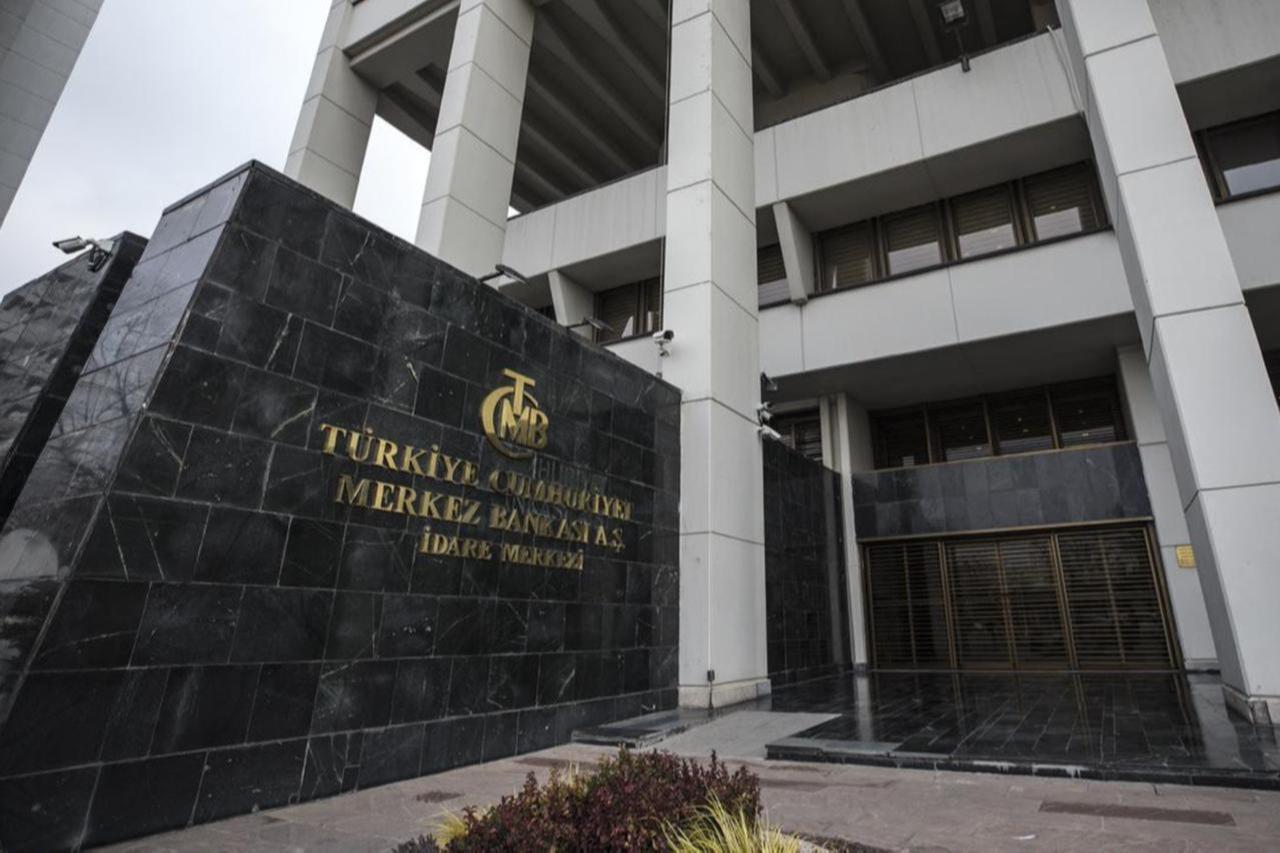

Separately, the CBRT on Thursday revised its year-end inflation forecast for 2026 upward to 26%, citing war-related increases in energy prices, transportation costs and global uncertainty.
Presenting the bank’s second Inflation Report of the year in Istanbul, Governor Fatih Karahan said inflation was expected to fall to 15% in 2027 and 9% in 2028 before eventually converging to the medium-term target of 5%.
Karahan said the bank had revised interim inflation targets for 2026, 2027 and 2028 to 24%, 15% and 9%, respectively, due to what he described as “extraordinary geopolitical developments.”
He said the U.S.-Israel-Iran conflict that began in February had created severe uncertainty for the global economy.
“The closure of the Strait of Hormuz poses a risk to the global energy supply,” Karahan said.
He added that indicators pointed to slower global activity, rising input costs and supply chain disruptions.
Annual inflation stood at 32.4% in April, while annual energy inflation rose by 19 percentage points over the previous two months to 47%, driven mainly by oil and natural gas prices.
Karahan said inflation expectations remained above the bank’s projections and that second-round effects from geopolitical developments remained a major risk.
The central bank cut its policy rate by 100 basis points to 37% in January but kept it unchanged in March and April.
Repo auctions were suspended from March 1, while liquidity was provided through the upper funding band, pushing money market rates to around 40%.
Karahan said monetary policy assumptions now foresee tighter conditions lasting longer than previously expected.
Gross reserves rose to $172 billion as of May 8 from $155 billion on March 27, while net reserves excluding swaps increased by $20 billion to $39 billion.
He said prolonged high oil prices remained one of the main upside risks to inflation, while any easing in regional tensions could support disinflation.
“The implications of recent developments for the medium-term inflation outlook will be shaped by our monetary policy stance,” Karahan said. “We will maintain a tight stance until price stability is achieved.”


 Set as preferred source
 Set as preferred source


 1 min read


 1 min read



