Newsletters


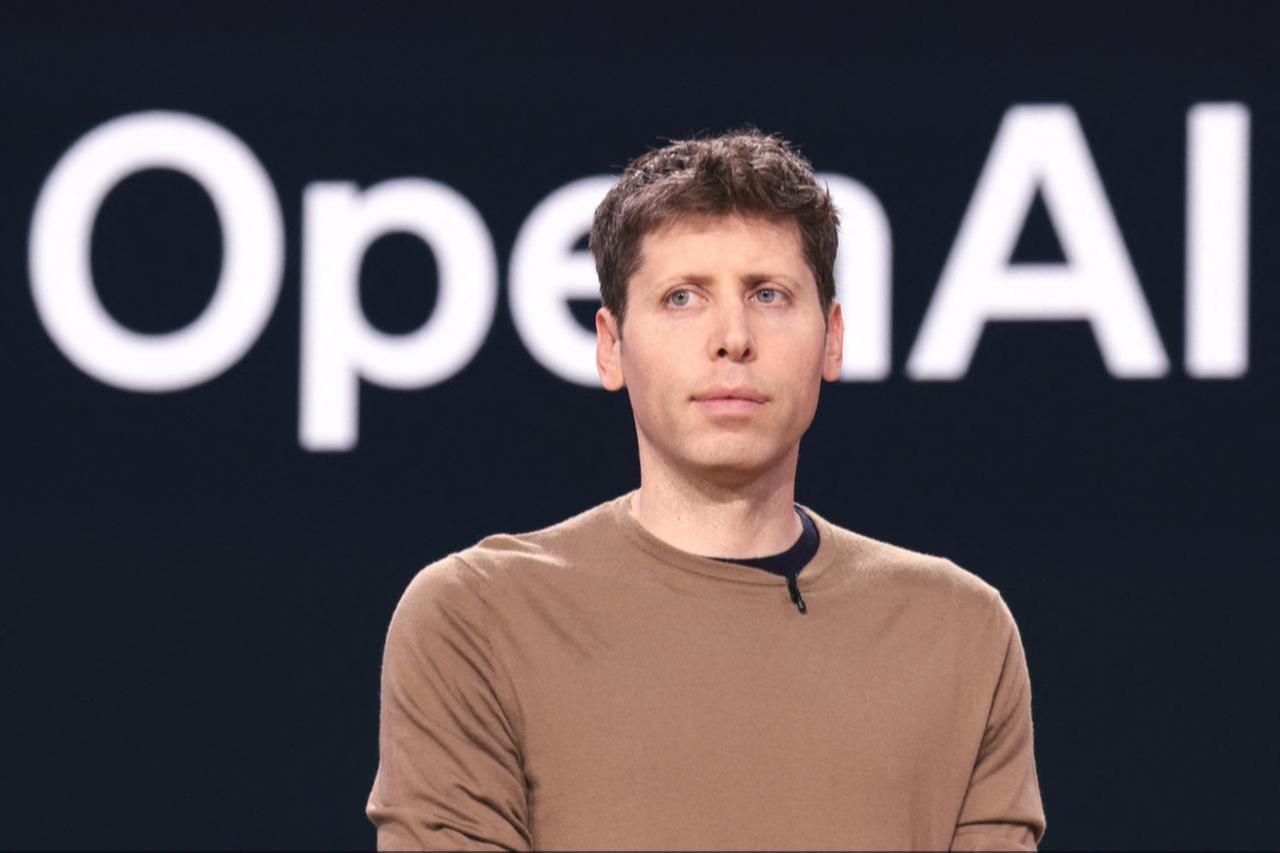


A nine-person jury began deliberating Monday in Oakland, California, in the high-stakes lawsuit filed by Elon Musk against OpenAI and its CEO, Sam Altman, capping three weeks of testimony that laid bare the bitter dispute over the AI company's transformation from nonprofit to commercial giant.
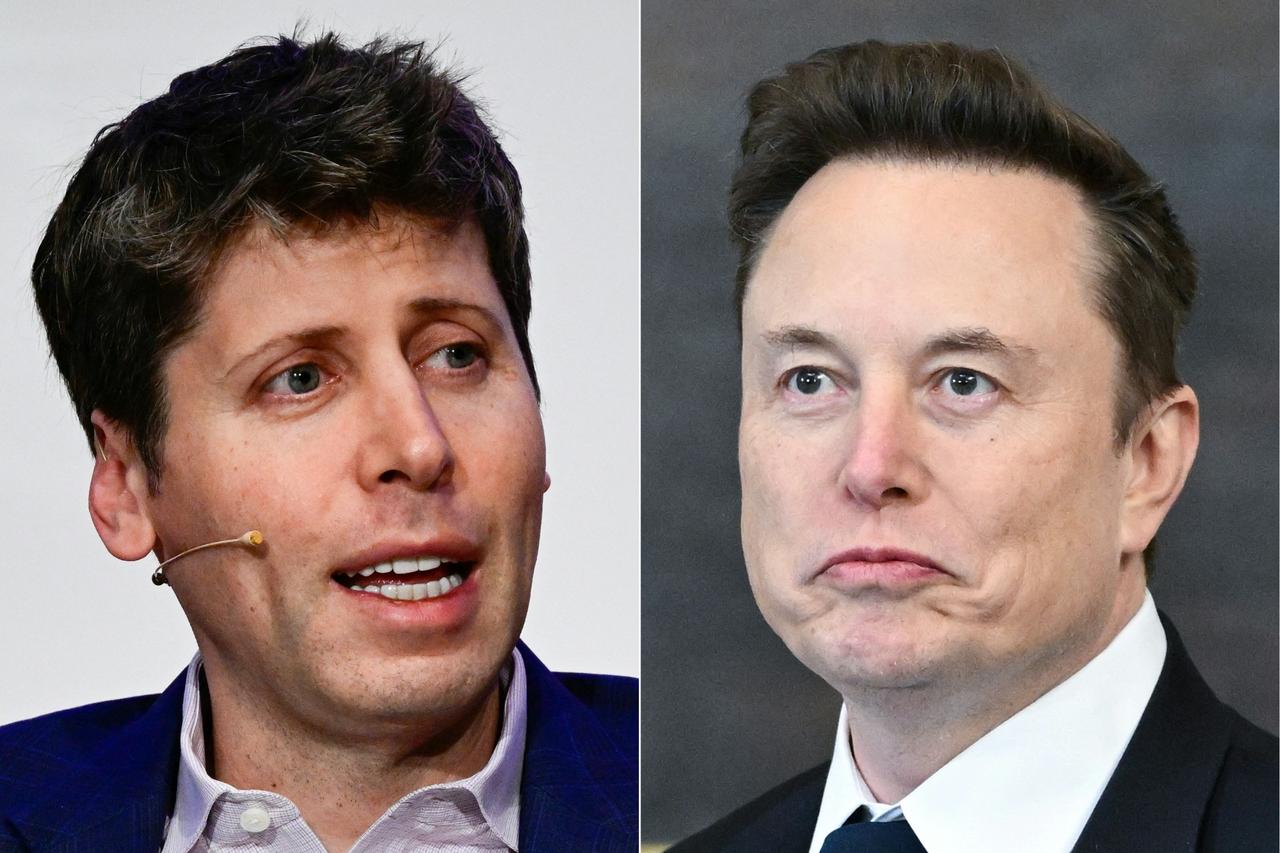
Musk, who co-founded OpenAI in 2015 and contributed $38 million to the organization, claims Altman and co-founder Greg Brockman broke a founding agreement by restructuring the company into a for-profit entity.
He is seeking Altman's removal, the reversal of OpenAI's corporate restructuring, and the redistribution of billions of dollars from its commercial arm to its nonprofit organization. OpenAI has denied all allegations.
Musk took the stand in the trial's opening week and testified for three consecutive days. He argued that his original intent was to build an AI research lab for the benefit of humanity and that Altman had diverted OpenAI from that mission for personal gain.
"It's not OK to steal from a charity. That's my view," Musk said during testimony.
OpenAI's lead attorney, William Savitt, pressed Musk on what he knew about the company's for-profit plans and when he knew them.
Musk grew combative during cross-examination, at one point telling Savitt his questions were "designed to trick" him. The judge cautioned Musk against giving meandering answers.
Musk did not attend the remainder of the trial and was in China with President Donald Trump during the closing arguments.
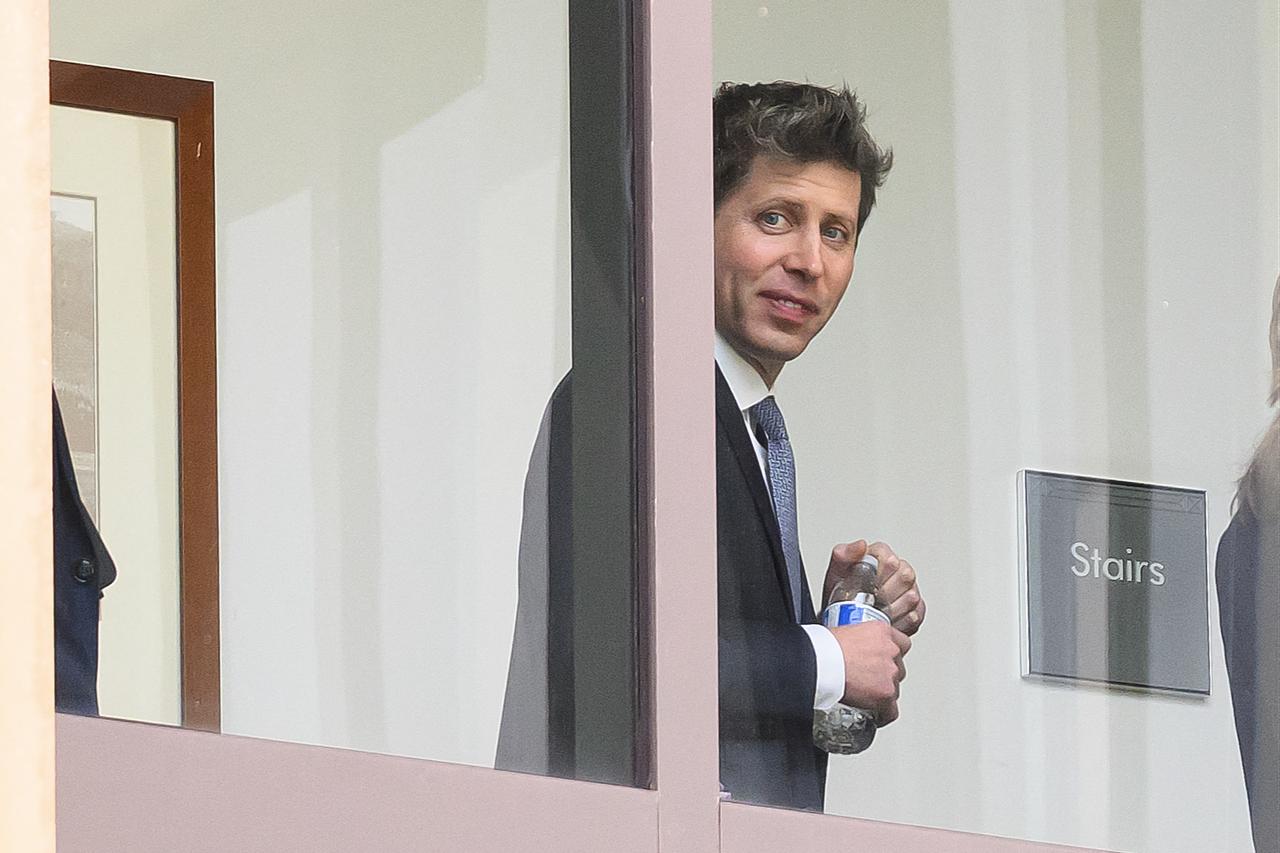

When Altman took the stand in the trial's final week, he presented a competing account. He alleged Musk had sought "total control" of the company, including the prospect of passing that control to his children.
Altman argued that OpenAI had built one of the largest charitable organizations in the world and that Musk sought to destroy it.
"This whole 'you can't steal a charity'—I agree you can't steal it. Mr. Musk did try to kill it," Altman said.
Multiple former OpenAI executives testified during the trial and characterized Altman as untrustworthy. Former chief technology officer Mira Murati described him as often telling different people contradictory things, while former chief scientist Ilya Sutskever confirmed under oath that he had told the board Altman exhibited "a consistent pattern of lying."
Altman was fired by the OpenAI board in November 2023 but was reinstated days later under pressure from employees.
Among the notable figures to testify was Shivon Zilis, an executive at Musk's brain-computer interface company Neuralink and the mother of four of his children.
Zilis served on the OpenAI board from 2020 to 2023. OpenAI accused her of acting as an insider source for Musk during that period. She denied the allegation.
Microsoft CEO Satya Nadella also testified. Microsoft is OpenAI's largest private backer, with $13 billion in committed funding, and is named as a co-defendant.
The jury must determine whether Microsoft knowingly facilitated OpenAI's shift away from its nonprofit model.
Before weighing the merits of the case, the jury must first resolve whether Musk filed his lawsuit within the legal time limit.
Musk filed suit in 2024, four years after his last contribution to OpenAI. If the jury finds the filing was too late, the case ends.
Judge Yvonne Gonzalez Rogers has said she would likely follow the jury's recommendation on this threshold question.
Should the case proceed, jurors must determine whether Altman, Brockman and OpenAI breached a charitable trust and unjustly enriched themselves using Musk's donations.
The outcome of the case carries consequences well beyond the two parties. OpenAI, now valued at $850 billion, is among the world's most valuable private companies and is planning an initial public offering.
A ruling in Musk's favor could force OpenAI to unwind ties with major investors, including Microsoft, Amazon, and SoftBank, and derail its IPO.
OpenAI's competitors, including Musk's own AI startup xAI and Anthropic, are also moving toward planned public offerings expected to rank among the largest in history.


 Set as preferred source
 Set as preferred source


 1 min read


 1 min read