Newsletters


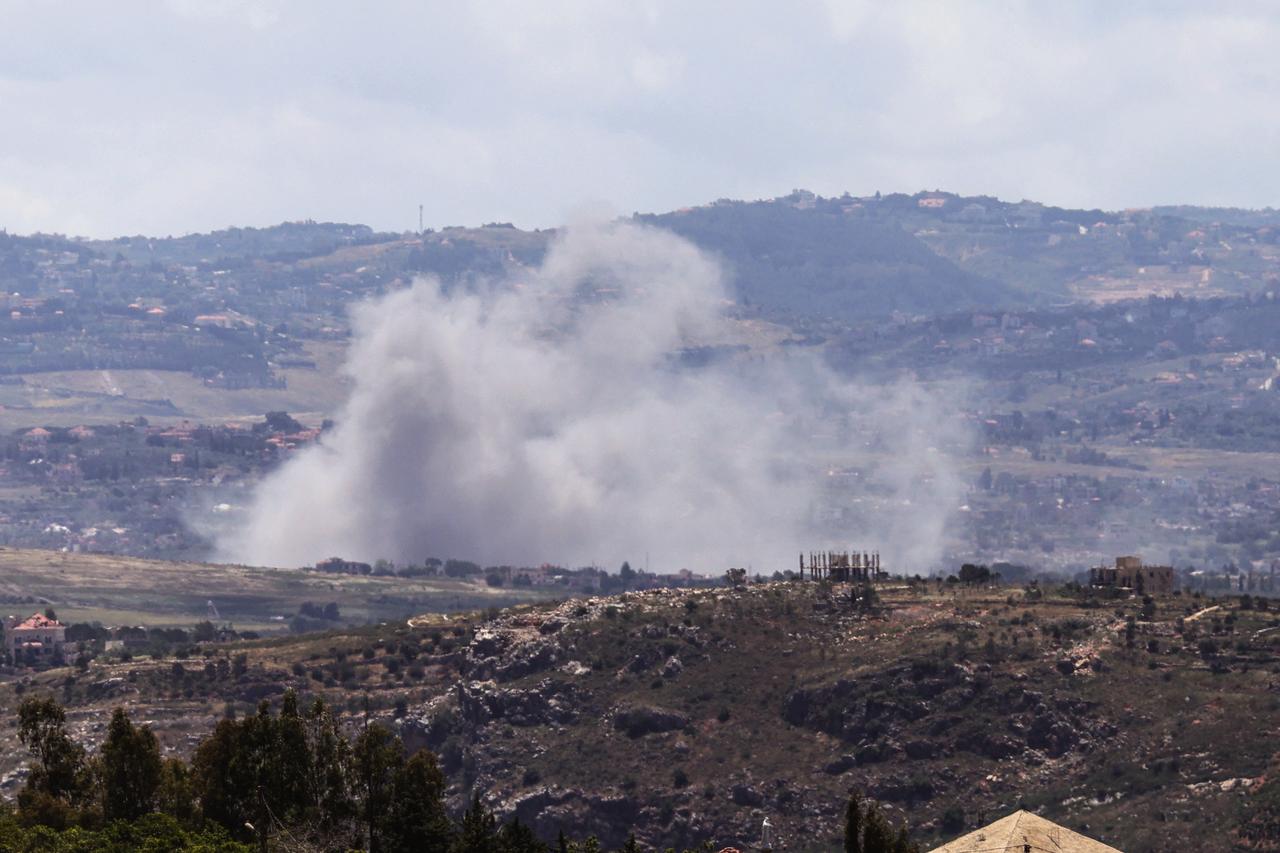


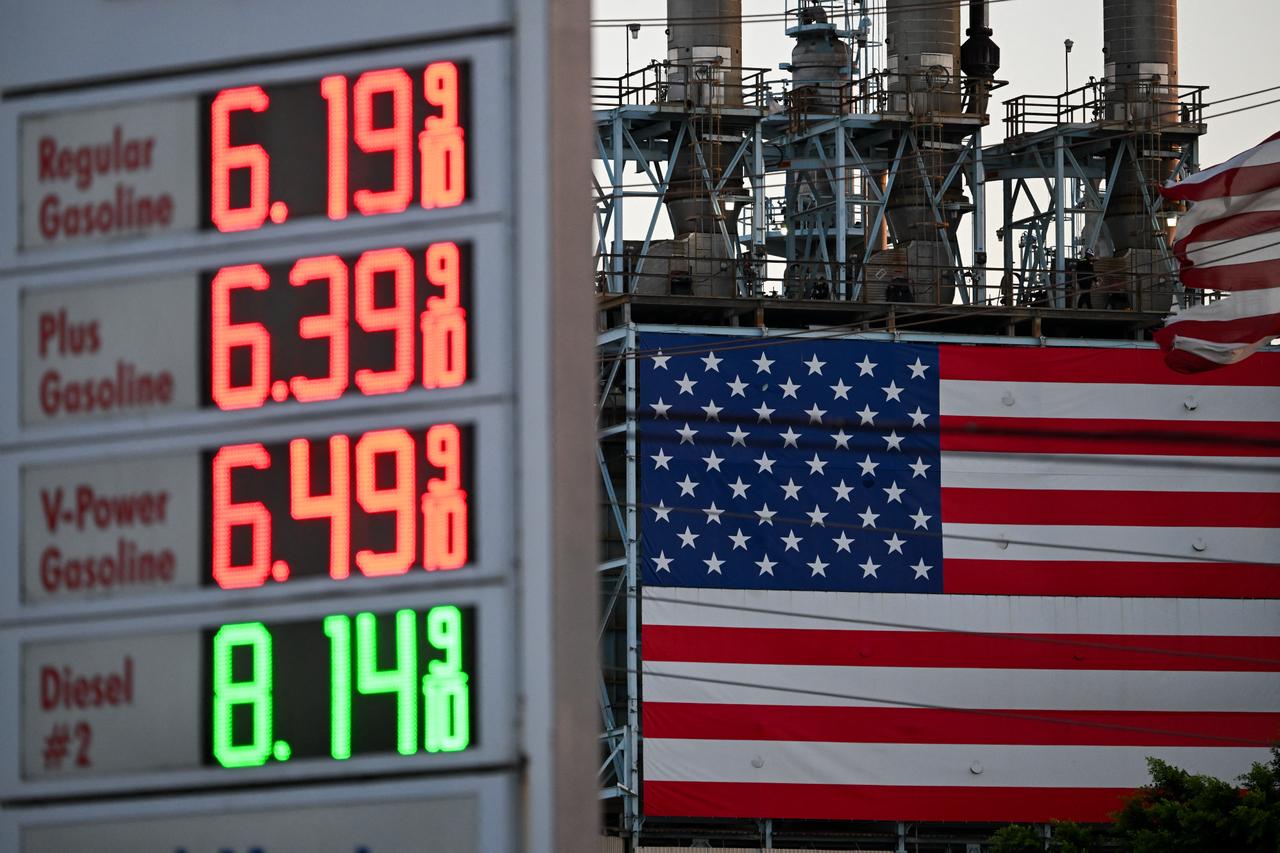
The economic fallout from the Middle East war has deepened, with fresh data and corporate updates released over the past three days showing pressure on jobs, tourism, aviation, public debt and growth forecasts across Europe and Asia.
The conflict, intensified by Iran’s effective closure of the Strait of Hormuz after U.S.-Israeli strikes on Tehran, has driven up energy prices and unsettled global markets.
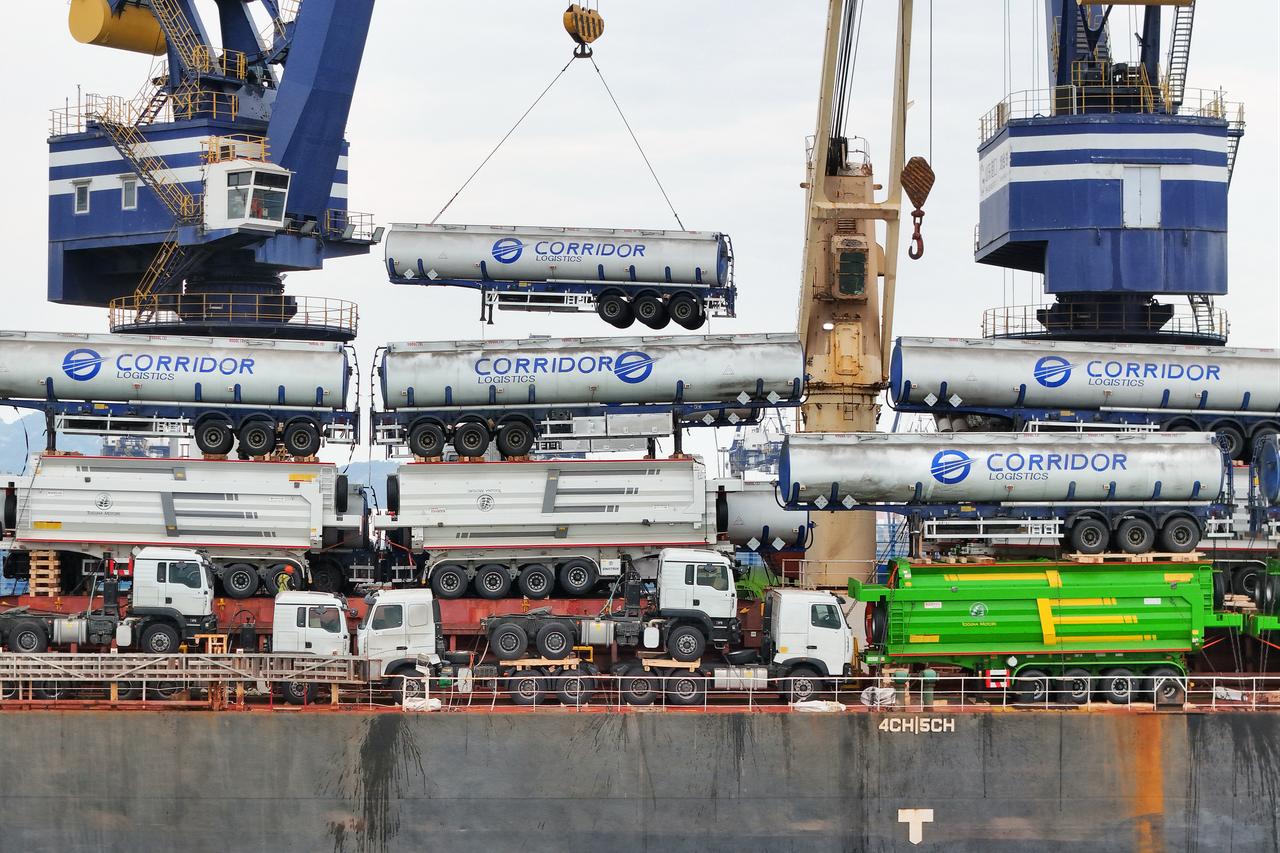
Hormuz is a key energy corridor that carried around one-fifth of global oil shipments before the war, making the disruption a direct threat to fuel costs, inflation and consumer demand.

Britain’s unemployment rate rose to 5% in the first quarter of 2026, up slightly from 4.9% in the three months to the end of February, according to the Office for National Statistics.
Liz McKeown, the ONS director of economic statistics, said the labor market remained soft, with vacancies at their lowest level in five years and unemployment higher than a year earlier.
Although Britain’s economy grew 0.6% in the first quarter, analysts warned that higher energy costs could slow momentum in the months ahead. Richard Carter of Quilter Cheviot said the latest figures only reflected the initial effects of the conflict, while the full impact would become clearer as higher costs and weaker consumer demand filter through.
The European Commission also lowered its growth outlook, saying the eurozone economy is now expected to expand by 0.9% in 2026, down from a previous forecast of 1.2%.
At the same time, the EU sharply raised its eurozone inflation forecast to 3%, well above the European Central Bank’s 2% target. EU economy chief Valdis Dombrovskis said the conflict had triggered a major energy shock and further tested Europe in an already volatile geopolitical and trade environment.
The commission warned that Europe was facing a “stagflationary shock,” a situation in which weak growth and high inflation occur at the same time. Germany, the EU’s largest economy, also saw its 2026 growth forecast cut to 0.6%.
The war has also pushed up the cost of government borrowing in rich countries, as investors demand higher returns to hold public debt during a period of rising inflation.
The yield on the 30-year U.S. Treasury bond touched its highest level since 2007, while long-term Japanese and British bond yields also reached multi-decade highs.
Analysts said governments may come under pressure to spend more to support households and businesses, even as slower economic activity reduces tax revenues.
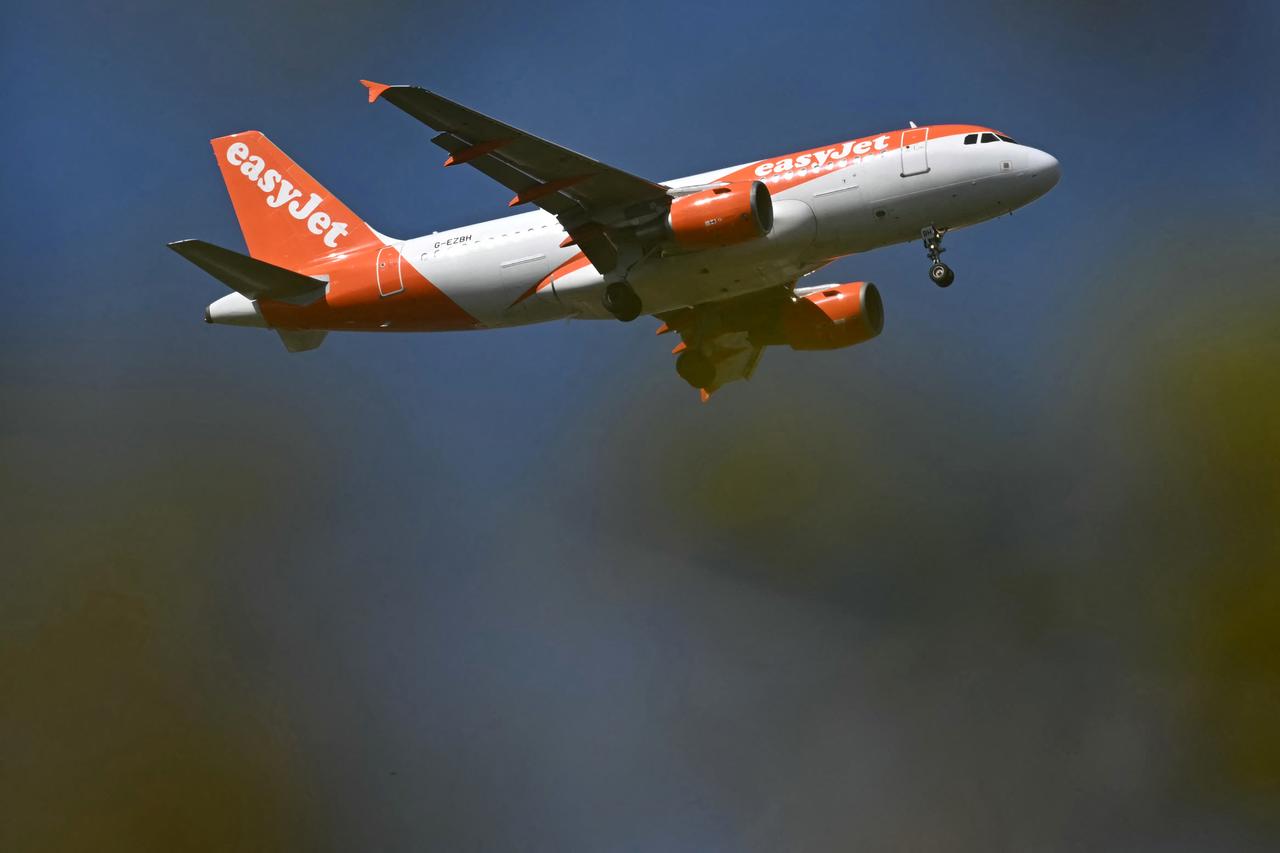
The aviation sector is already feeling the strain. EasyJet said its first-half loss widened to £377 million, or $506 million, after the war pushed jet fuel prices higher and created uncertainty around travel demand.
The airline said the conflict added £25 million to fuel costs and warned that summer bookings were behind last year’s level. Chief executive Kenton Jarvis said EasyJet was still well placed to manage the environment, but the company also expects minimum ticket prices to rise during the quieter winter season.
Airbus has also asked its teams to cut non-essential expenses by 10% compared with its 2025 baseline. The company called for limits on travel, events, conferences and subcontracting activities that are not essential to industrial operations.
In Asia, Japan and South Korea agreed to strengthen cooperation on energy security, supply chains and critical minerals. Japanese Prime Minister Sanae Takaichi said closer coordination was important given the current international situation.
Japan depends on the Middle East for about 95% of its oil imports, while South Korea gets around 70% of its crude from the region, leaving both economies exposed to a prolonged disruption.
Japan also reported a fall in foreign tourist arrivals in April after a record month in March. Visitor numbers dropped 5.5% year-on-year to 3.69 million, while arrivals from the Middle East fell 21.4%.
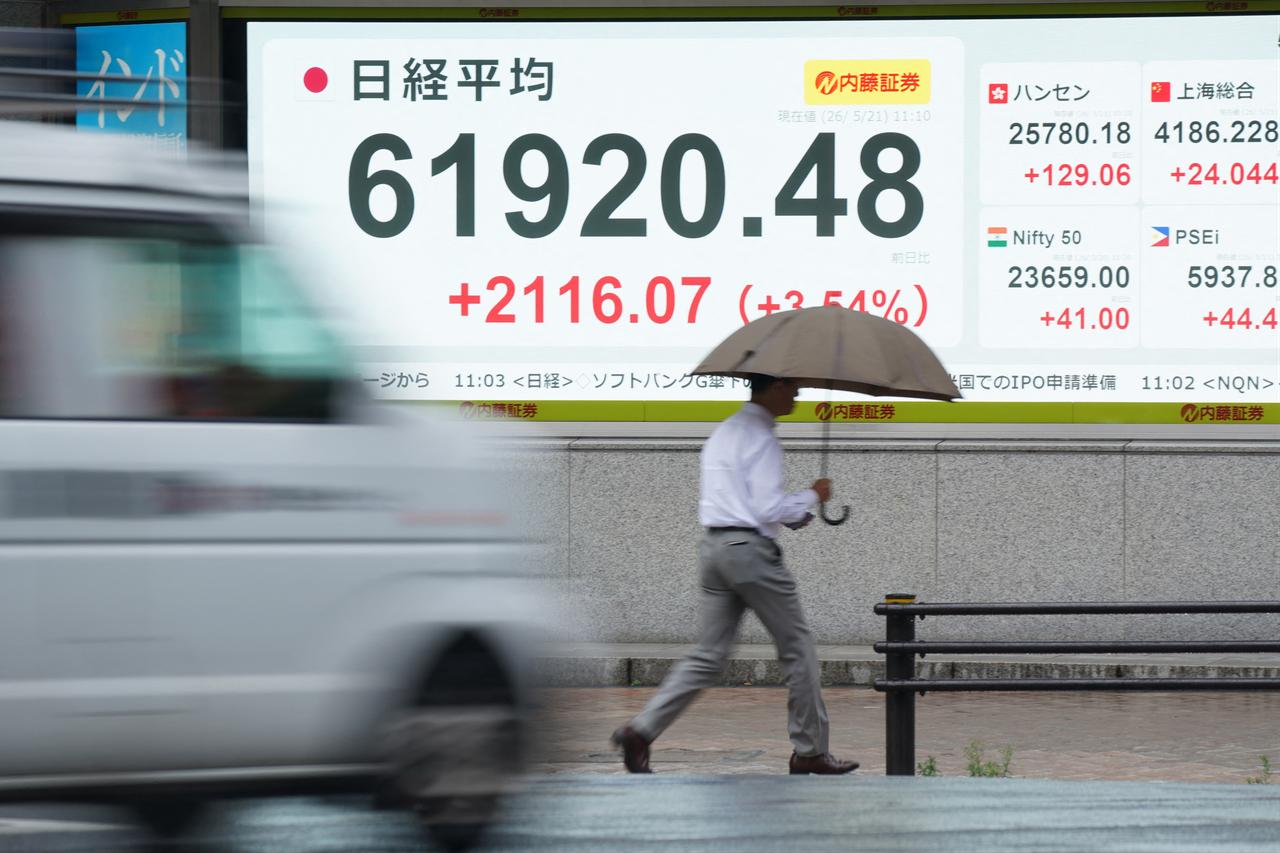
Financial markets moved sharply as investors reacted to conflicting signals about a possible peace accord. Stocks rose and oil prices fell on Wednesday after U.S. President Donald Trump said American negotiators were close to a potential deal with Iran.
However, oil prices gained again and European stocks slipped on Thursday as hopes faded. Trump described the talks as being on the “borderline” between a deal and renewed strikes, while Pakistan continued mediation efforts.
Iran’s Revolutionary Guards said 26 vessels, including oil tankers and commercial ships, had crossed the Strait of Hormuz over 24 hours after coordination with the IRGC navy. The temporary passage helped ease oil fears briefly, but the broader uncertainty continued to weigh on markets, governments and companies.


 Set as preferred source
 Set as preferred source


 2 min read