Newsletters


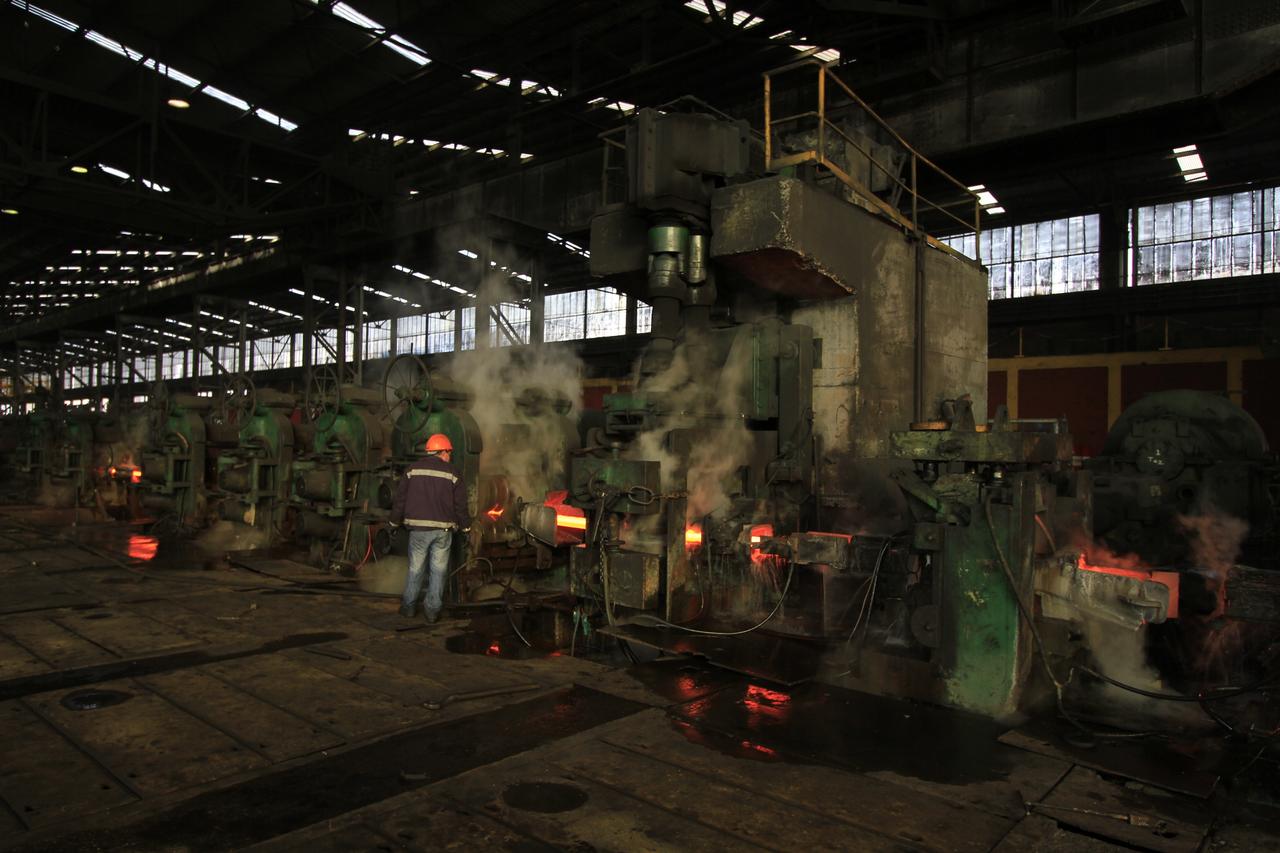


Türkiye’s steel industry is preparing to redirect exports toward nearby regions after new European Union quotas, set to take effect on Jun. 1, are expected to significantly restrict shipments and reduce export revenues, sector leaders said.
The quota system, which could cut access by up to 47% depending on product categories, comes at a time when global demand remains weak and protectionist measures are increasing. Producers are now targeting markets closer to Türkiye, including Adriatic-region countries, Morocco, Chile, Romania and Bulgaria, as they adjust to changing trade conditions.
Türkiye strengthened its position in global steel manufacturing in 2025, becoming the world’s eighth-largest producer and surpassing Germany to rank as Europe’s top steel producer after output rose 3.3% year-on-year to 38.1 million metric tons.
Steel exports also increased during the year, climbing 12.5% to 15.1 million metric tons, while export revenues grew 4.3% to $10.16 billion. The European Union remained a key destination, accounting for 5.6 million metric tons of exports worth €3.78 billion ($4.47 billion).
Despite higher volumes, global oversupply and competition, particularly from China, weighed on prices. Adnan Aslan, chairman of the Turkish Steel Exporters’ Association, said proximity will become more important in future export strategies.
"We will use our fast delivery advantage in nearby markets, and in the medium term, we will strengthen our competitiveness with value-added products," Aslan said, business-focused dunya.com reported. He noted that maintaining growth requires flexibility and careful market selection amid ongoing price pressure in global steel markets.

New environmental regulations in Europe have also contributed to uncertainty. The Carbon Border Adjustment Mechanism, which requires buyers to pay for emissions linked to products such as steel to match the costs faced by European producers, took effect earlier this year and led some European buyers to delay purchases while assessing compliance requirements.
Industry representatives expect European demand to begin recovering from March and April as regulatory clarity improves.
While exporters face restrictions abroad, domestic producers are also dealing with growing import competition. Steel imports rose 8.6% in 2025 to reach 18.8 million metric tons, valued at $13.08 billion, exceeding half of domestic consumption.
Ugur Dalbeler, vice chairman of the exporters’ association and president of the World Steel Association, said the surge in imports has already affected employment and production.
"More than half of consumption is covered by imports," Dalbeler said, adding that nearly 20,000 jobs had been lost as of January and some production shifts were reduced due to rising costs.
He also pointed out that China accounts for 120 million metric tons of the 450 million metric tons traded globally, underscoring the level of international competition facing Turkish producers.


 Set as preferred source
 Set as preferred source


 1 min read

 1 min read