

 Newsletters


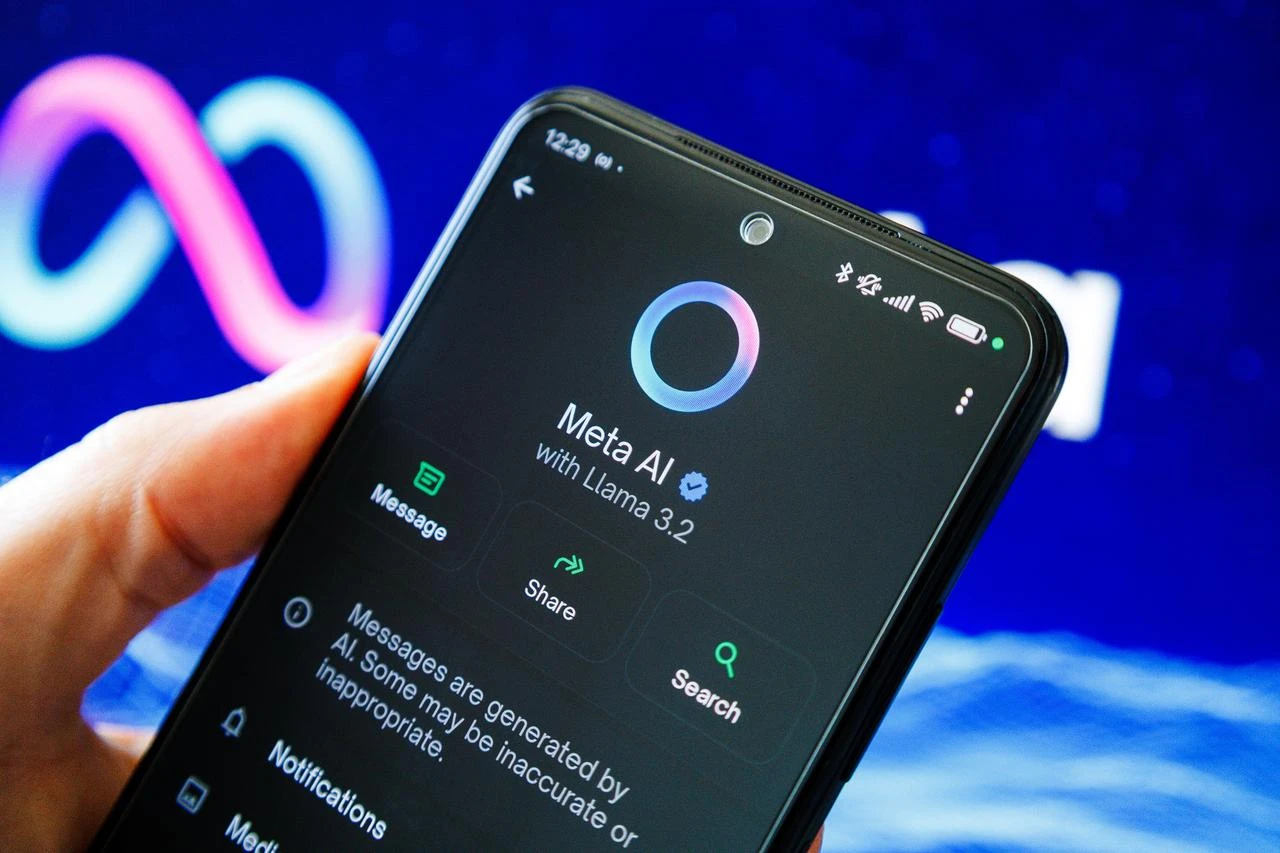


Meta announced the launch of Muse Code on Wednesday, an agentic coding tool for developers of artificial intelligence products, as the company competes with other major AI labs for customers and revenue.
Meta described Muse Code as an agentic coding tool capable of performing "complex software engineering tasks" involving large amounts of data, including planning, writing and validating code.
Agentic tools are software applications programmed to handle tasks without human supervision, though a person typically still makes final decisions or supervises task execution.
Muse Code launched in beta, or preview mode. The tool is a terminal-based agent available for macOS and Linux, allowing developers to coordinate AI assistants from a single command line.
It can also fan out to sub-agents working in parallel on separate parts of a project.
Meta also released an updated version of its flagship model, known as Spark. The update, called Spark 1.2, is coding-focused and available through Muse Code and Meta's separate developer application, the Meta Model API.
Developers can access Muse Code through a standard pay-as-you-go pricing structure or a discounted "contributor tier" priced at $0.30 per million tokens, in exchange for allowing Meta to use submitted code to train future models.
Meta has invested heavily in its AI division, now known as Meta Superintelligence Labs, as it works to keep pace with OpenAI and Anthropic.
Major AI developers are competing not only on technical capability but also to show that heavy spending to meet demand will become profitable.
Amazon, Microsoft, Alphabet and Meta are collectively on track to invest around $700 billion in AI data centers, chips and computing infrastructure this year.
While chatbots have driven a surge of interest in AI since OpenAI launched ChatGPT in late 2022, few users have paid for them. Software engineers and companies, however, have increasingly paid for automated coding tools.
In February, OpenAI said ChatGPT had reached 900 million weekly active users, including nine million businesses and 50 million paying consumers.
Anthropic has not disclosed total user numbers but told TechCrunch in March that its paid subscriptions had more than doubled during the year.
SpaceXAI, a subdivision of Elon Musk's rocket company SpaceX, develops its own chatbot, Grok, and earlier this year announced plans to acquire coding startup Cursor for $60 billion.
Microsoft, which has invested billions in both OpenAI and Anthropic, offers coding tools through its business-focused app Copilot and its developer platform, GitHub.
Recent cyberattacks were carried out autonomously by advanced AI models, including those developed by OpenAI and Anthropic, during routine testing, raising concerns about their capabilities.
A Meta model, Spark 1.1, was involved in a similar incident, The Information reported on Wednesday. Meta said the incident was caused by a misconfiguration at a third-party testing partner and said it was investigating and would issue a full retrospective once it had gathered all the facts.


 Set as preferred source
 Set as preferred source


 1 min read



 1 min read


