Newsletters





Tourism across the Middle East, largely in Gulf countries, is expected to contract significantly in 2026 as the ongoing Iran war disrupts air travel and weakens traveler confidence, a report said.
According to UK-based Tourism Economics, international arrivals to the region could fall between 11% and 27% this year depending on how long the conflict lasts.
An early resolution within one to three weeks would mean roughly 23 million fewer visitors and a $34 billion drop in tourism spending, while a longer conflict could push losses to about 38 million travelers and $56 billion, the report said. The Gulf Cooperation Council countries are expected to face the largest hit, as their tourism growth has relied heavily on perceptions of stability and safety.
The report noted that the region also serves as a major global aviation transit corridor, accounting for around 14% of international transit traffic, meaning disruptions could extend well beyond the Middle East. It also warned that prolonged airspace closures could keep operating costs elevated while traveler confidence remains weak, delaying a recovery for airlines, airports, and hospitality sectors across the region.
After U.S.-Israeli joint strikes on Iran targeted military facilities and leadership sites, Tehran responded with missile and drone attacks on Israel and several Gulf locations, raising safety concerns across the region.
Airspace restrictions across eight countries have forced airlines to cancel more than 11,000 flights, affecting over one million passengers and disrupting key aviation hubs including Dubai, Doha and Abu Dhabi.
While some flights in the United Arab Emirates have resumed, operations at Doha's Hamad International Airport remain suspended. A missile strike also caused a fire at Dubai's Fairmont The Palm hotel, leaving four people injured.

Airlines are now rerouting flights to avoid the region, increasing travel times and operating costs. Insurance premiums, fuel consumption and airfreight rates have also risen, undermining the Gulf's stopover tourism model that carriers such as Emirates depend on.
Travel advisories have expanded as the conflict intensifies. The United States has urged citizens to leave countries such as Saudi Arabia and the United Arab Emirates, though without organized evacuation programs. The United Kingdom has warned against non-essential travel to the UAE, Qatar, Bahrain and Kuwait, and against all travel to Israel and Palestine.
Authorities in the Gulf have introduced emergency measures to assist stranded travelers. UAE aviation and tourism agencies are covering costs for affected passengers, while Qatar Tourism has begun reimbursing hotel extensions for travelers unable to depart.
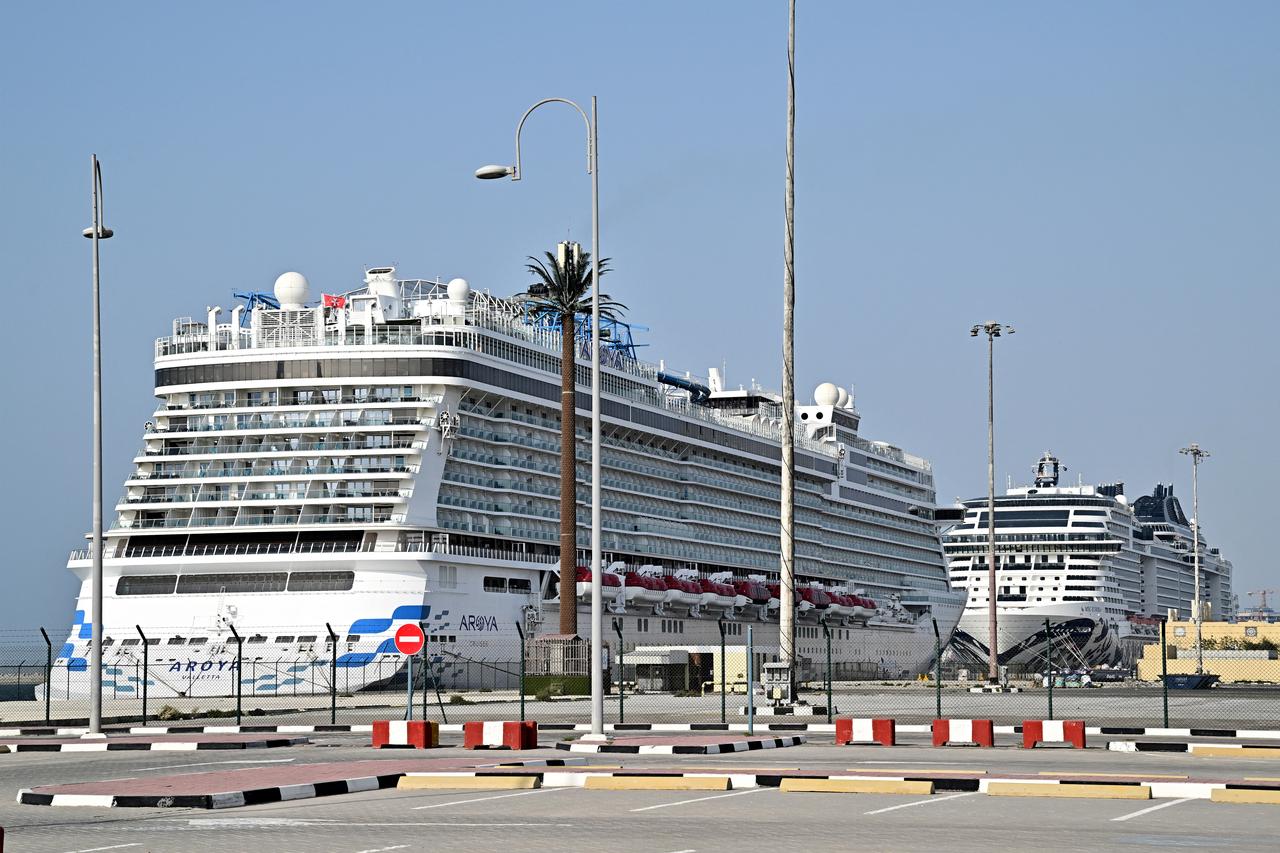
More than 90,000 transit passengers normally pass through Gulf aviation hubs each day, but thousands remain stranded as disruptions continue. Around 30,000 German tourists are also reported to be affected across cruises and hotels in the region. British Foreign Office officials said 138,000 British nationals in the Gulf have registered their presence, including about 112,000 in the United Arab Emirates.
The UAE’s General Civil Aviation Authority has authorised a limited number of flights through designated emergency air corridors, currently handling around 48 flights. Officials plan to increase operations to roughly 80 flights a day, which could transport an estimated 27,000 passengers once fully scaled up.


 Set as preferred source
 Set as preferred source


 1 min read

 1 min read