Newsletters


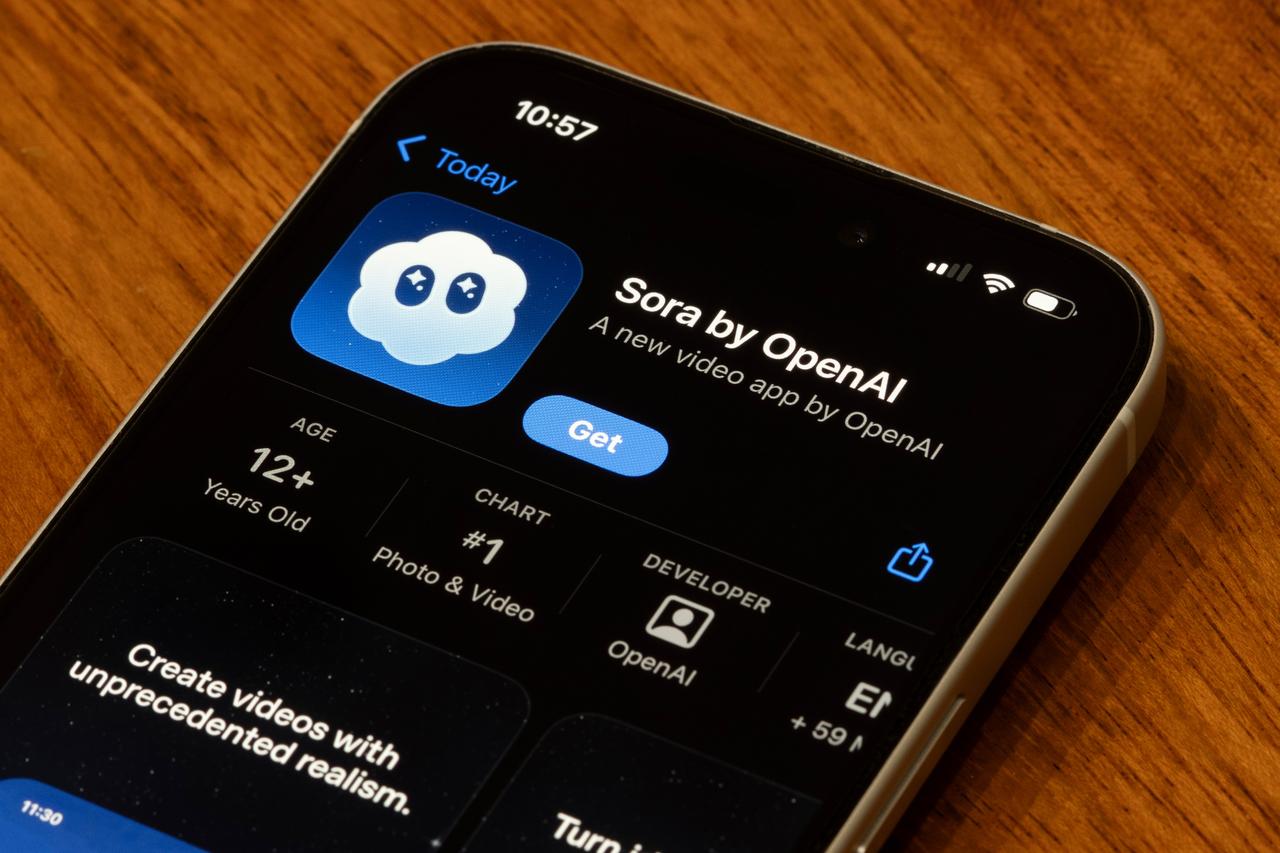


OpenAI has shut down its artificial intelligence video-generation platform Sora, marking a sudden exit from a fast-growing and controversial segment of the AI industry less than two years after the tool gained global attention.
The company confirmed on Wednesday that both the consumer app and the web-based platform used by professionals will be discontinued, signaling a broader strategic shift away from AI video generation.
The move also ends OpenAI’s high-profile partnership with The Walt Disney Company, which had allowed users to generate videos featuring characters such as Mickey Mouse and figures from Star Wars under a licensing agreement.
A Disney spokesperson said the company “respects OpenAI’s decision to exit the video generation business and to shift its priorities elsewhere,” adding that it will continue working with other AI platforms while focusing on protecting intellectual property rights, according to BBC.

OpenAI said it is closing Sora to focus on other areas of artificial intelligence, particularly robotics and so-called “agentic” systems capable of completing tasks with minimal human input.
The company plans to apply the underlying technology used to generate realistic video content to train AI systems that can operate in physical environments and perform real-world tasks.
The decision suggests a recalibration of priorities as competition intensifies across AI sectors and companies seek more commercially viable or scalable applications beyond content generation.
Sora, first launched in 2024, had quickly attracted global attention for its ability to produce high-quality, realistic video clips from simple text prompts. The tool later expanded into a standalone app with a social media-style feed, where users shared short-form AI-generated videos.
Despite its rapid adoption, Sora faced sustained criticism from the media and entertainment industries, as well as from researchers and advocacy groups.
Concerns centered on:
The platform became a flashpoint in ongoing tensions between AI developers and content creators, particularly in Hollywood, where studios and unions have pushed back against the use of intellectual property in generative AI systems.
OpenAI introduced stricter safeguards over time, including limits on generating content involving public figures, after backlash over viral videos depicting well-known individuals in fabricated scenarios.
However, critics argued that such measures lagged behind the speed and scale of misuse.
Sora’s rise was rapid but brief.
After gaining traction in late 2024, the standalone app reached the top position on Apple’s App Store within days of its release, driven by viral and often surreal user-generated content.
At the same time, the platform’s open-ended capabilities led to a surge in what critics described as “AI slop,” alongside more serious concerns about nonconsensual imagery and misinformation.
The shutdown comes as competition in AI video generation continues to grow, with new entrants offering similar tools and sparking further debate about regulation and ethical limits.
OpenAI said it will provide users with guidance on how to save their existing content before the platform is fully taken offline.
The company added that its image-generation tools within ChatGPT will remain available and are not affected by the decision.


 Set as preferred source
 Set as preferred source



 5 min read