Newsletters


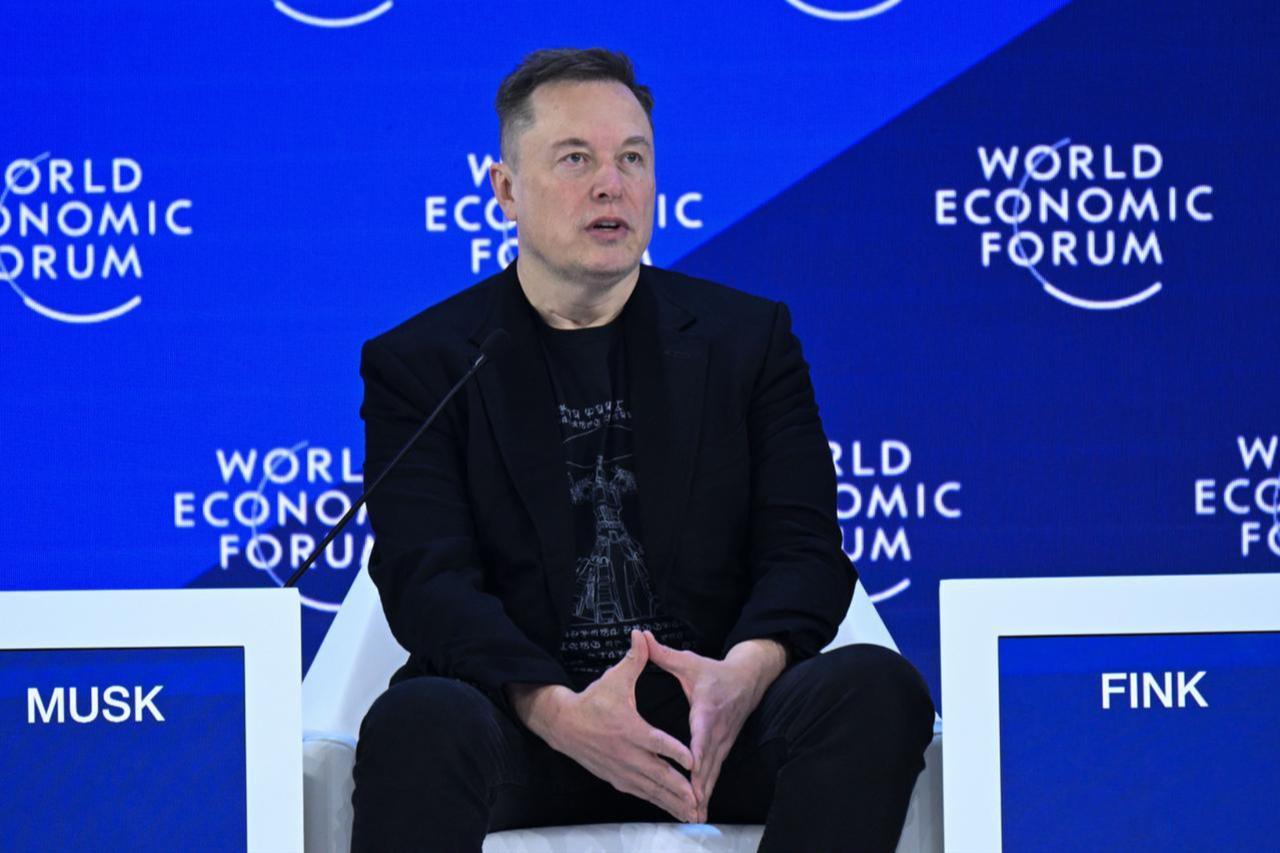


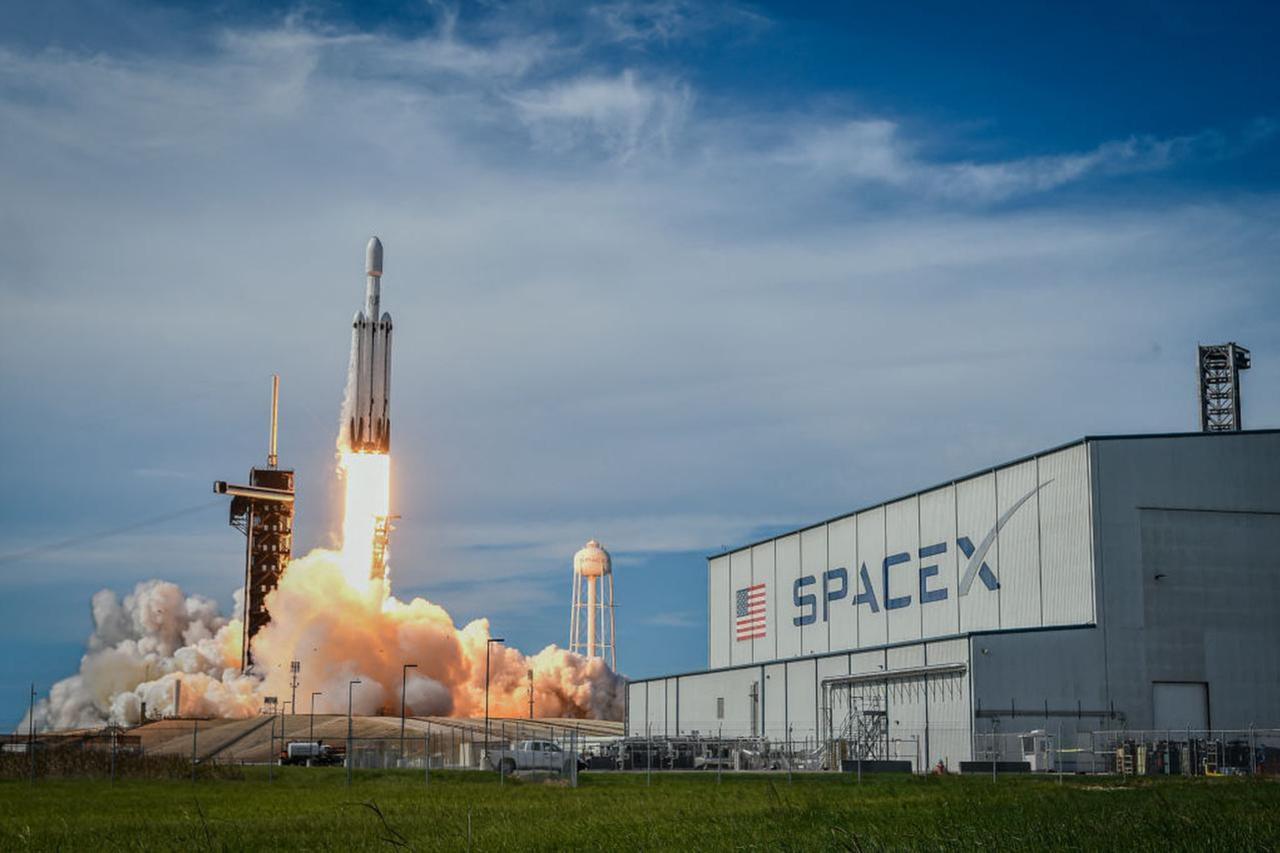
Elon Musk announced Saturday plans to manufacture chips for artificial intelligence, robotics, and space data centers in Austin, Texas. The project, named "Terafab," is a joint venture between Tesla and SpaceX.
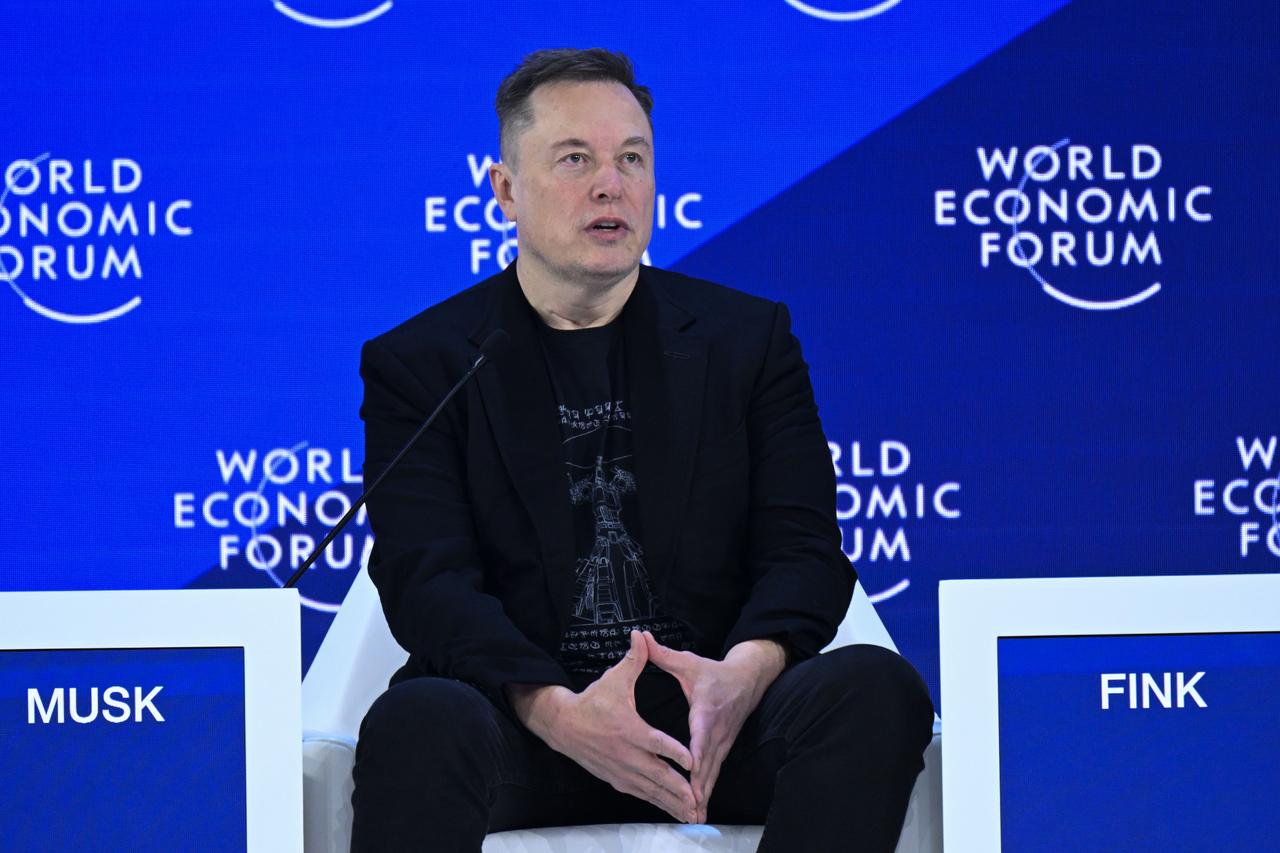
Musk, CEO of both companies, introduced the project at a downtown Austin event attended by Texas Governor Greg Abbott. He stated that Terafab will be located on or near Tesla’s campus in eastern Travis County and will consolidate logic, memory, packaging, testing, and lithography mask production in one facility. Musk claimed this capability is unique worldwide.
"That rate is much less than we'd like," Musk said, referring to the pace at which the global semiconductor industry is expanding. "We either build the Terafab, or we don't have the chips, and we need the chips, so we build the Terafab."
The facility will produce two types of chips. One will be optimized for edge inference, serving Tesla’s vehicles, robotaxi fleet, and Optimus humanoid robots. The other will be a high-power chip designed for the space environment, intended for solar-powered satellites SpaceX plans to deploy. In January, SpaceX requested a license from the Federal Communications Commission (FCC) to launch one million data center satellites into orbit.
Musk stated that his company's aim is to achieve 100 to 200 gigawatts of computing power annually on Earth and up to a terawatt in space. He compared this to the current global AI compute output of about 20 gigawatts, which he estimated is only 2% of their projected needs. He also presented a conceptual design for a "mini" AI data center satellite with 100 kilowatts of power, noting that future satellites could reach the megawatt range.
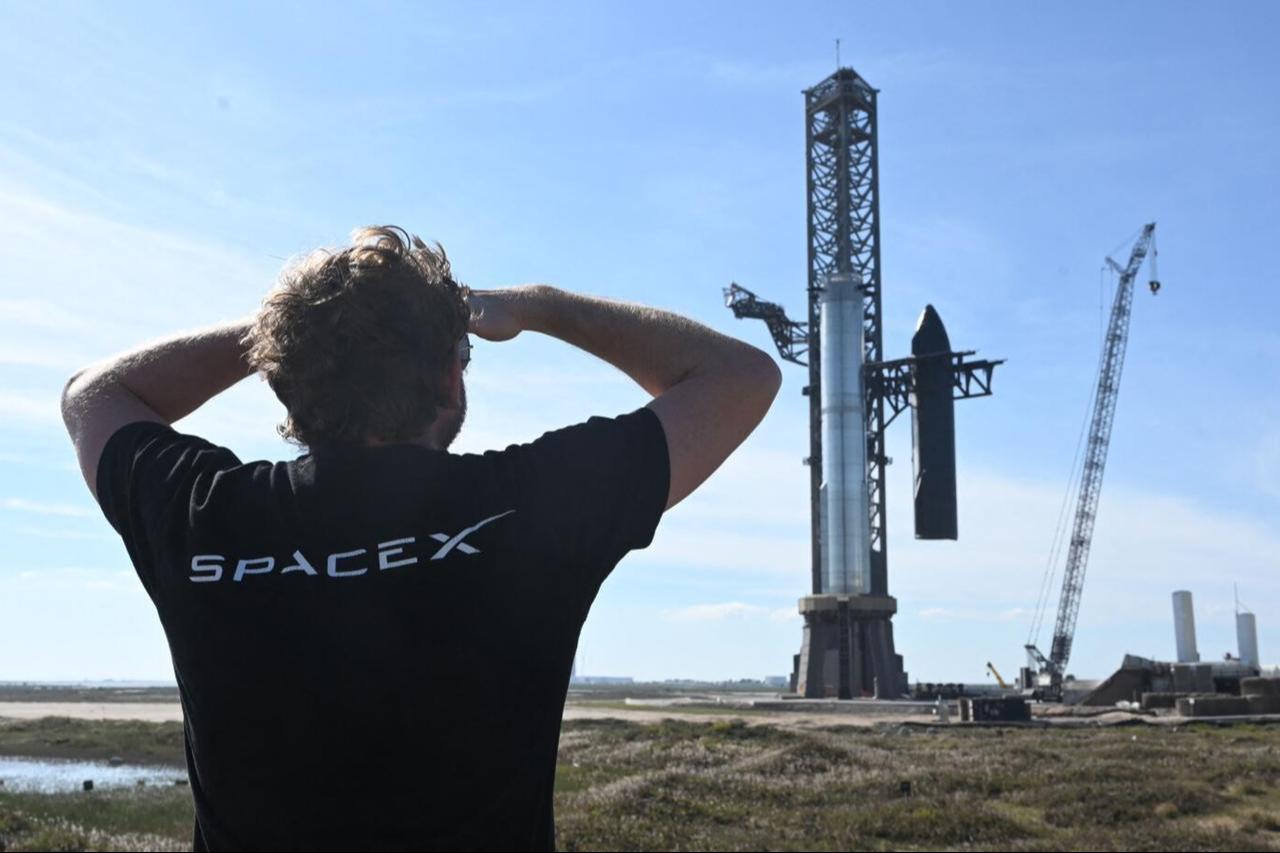

Musk acknowledged his lack of experience in semiconductor production. Despite the project's estimated scale of $20 billion, he did not provide a timeline for Terafab’s chip production or for achieving the project's goals. He stated that Tesla, SpaceX, and xAI, acquired by SpaceX in February, will continue sourcing from suppliers such as Samsung, Taiwan Semiconductor Manufacturing Co. (TSMC), and Micron Technology Inc., and encouraged these suppliers to expand rapidly.
The Terafab announcement coincides with Tesla strengthening its collaboration with xAI and SpaceX on AI initiatives. Tesla has already integrated xAI’s chatbot, Grok, into some of its vehicles and announced a $2 billion investment in xAI in January, along with a framework agreement for joint projects. Musk also stated that SpaceX plans an IPO later this year, which could raise up to $50 billion at a valuation above $1.75 trillion, partly to fund space-based AI data centers.
Musk is known for setting ambitious goals on accelerated timelines. Achieving Terafab’s objectives would require overcoming industry norms, as building a semiconductor facility typically demands significant investment and several years.
 1 min read


 Set as preferred source
 Set as preferred source


 1 min read