Newsletters


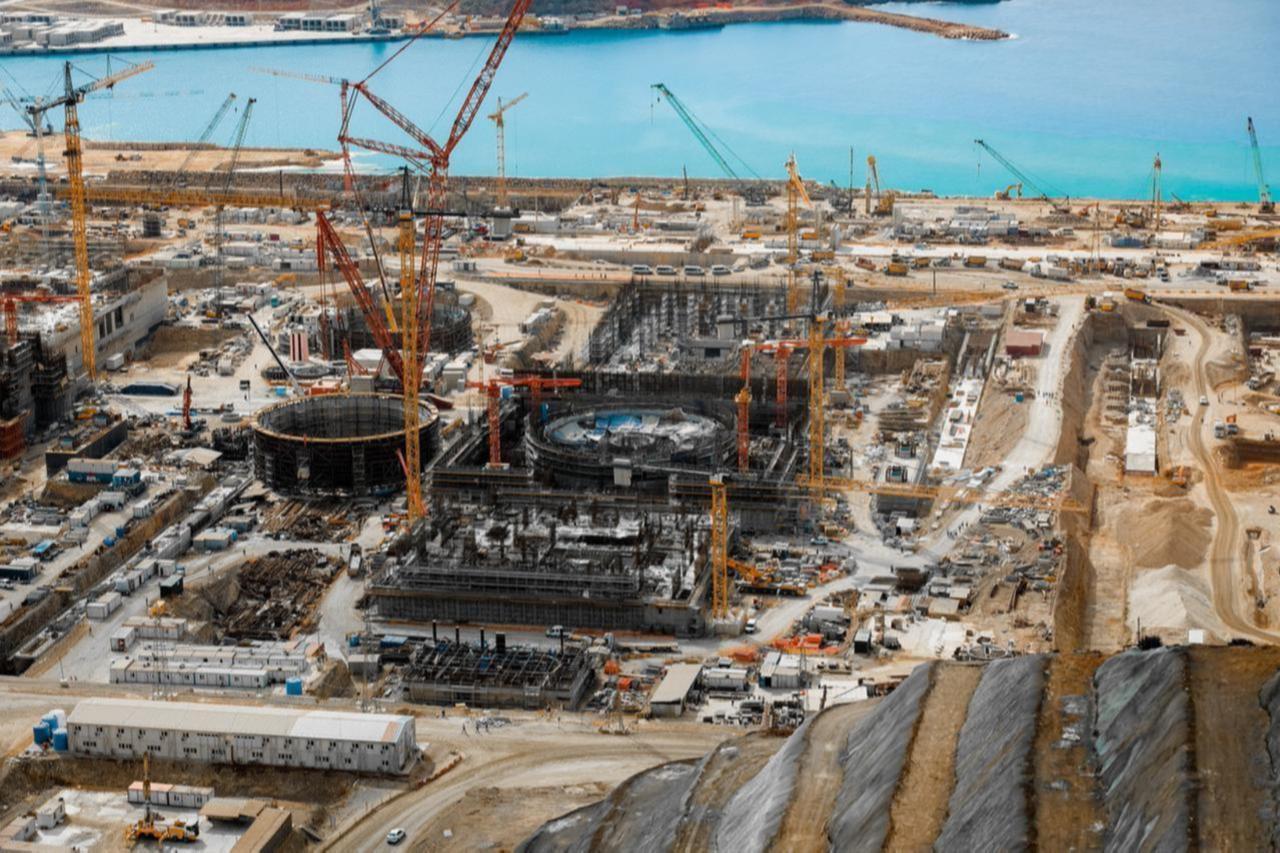


Türkiye’s Minister of Energy and Natural Resources Alparslan Bayraktar said Thursday that nuclear energy is an inseparable part of the country’s national security, calling it vital to meeting rising electricity demand and reducing dependence on foreign energy.
“Türkiye has achieved a very significant milestone in its nearly 70-year nuclear energy journey, especially in the last 15 years since 2010,” Bayraktar said at the final event of the Nuclear Energy Technologies Design Competition, held during the Teknofest Aviation, Space and Technology Festival in Istanbul.

Bayraktar said Türkiye’s electricity demand has tripled in the past two decades and is expected to continue growing at an annual rate of 3.5% until 2035, and above 5% in the 2035–2055 period.
“Türkiye is a country with constantly increasing energy demand, and when you look at global trends, the world is rapidly electrifying,” he said, citing artificial intelligence as a new driver of consumption. “By the 2030s, an additional 945 terawatt-hours of power will be needed just for AI—the equivalent of building another France, another Germany, by 2030.”
He noted that Türkiye spends $70 billion to $90 billion annually on energy imports, which he described as “one of the most significant dilemmas in our economy.” Reducing foreign dependence, he said, is essential to securing both energy and economic independence.
“This is an inseparable part of our national security,” Bayraktar said.
Bayraktar underscored the urgency of decarbonization. “We no longer have an emission budget left to release into the atmosphere,” he said, highlighting global trends toward renewable energy, efficiency, and low-carbon systems.
Still, he stressed that supply security remains paramount. “Energy must be provided uninterruptedly, with quality, and at affordable cost in line with increasing demand and decarbonization goals,” he said.
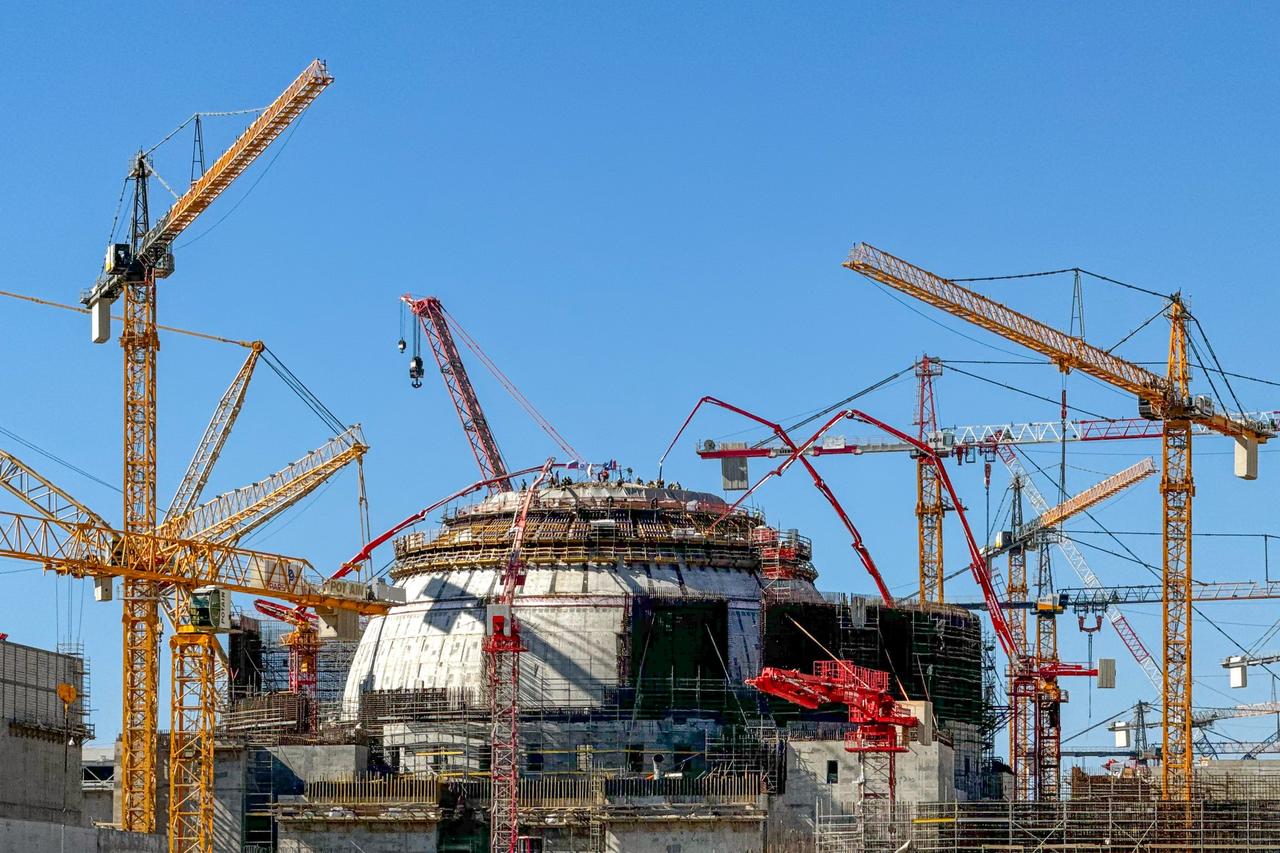
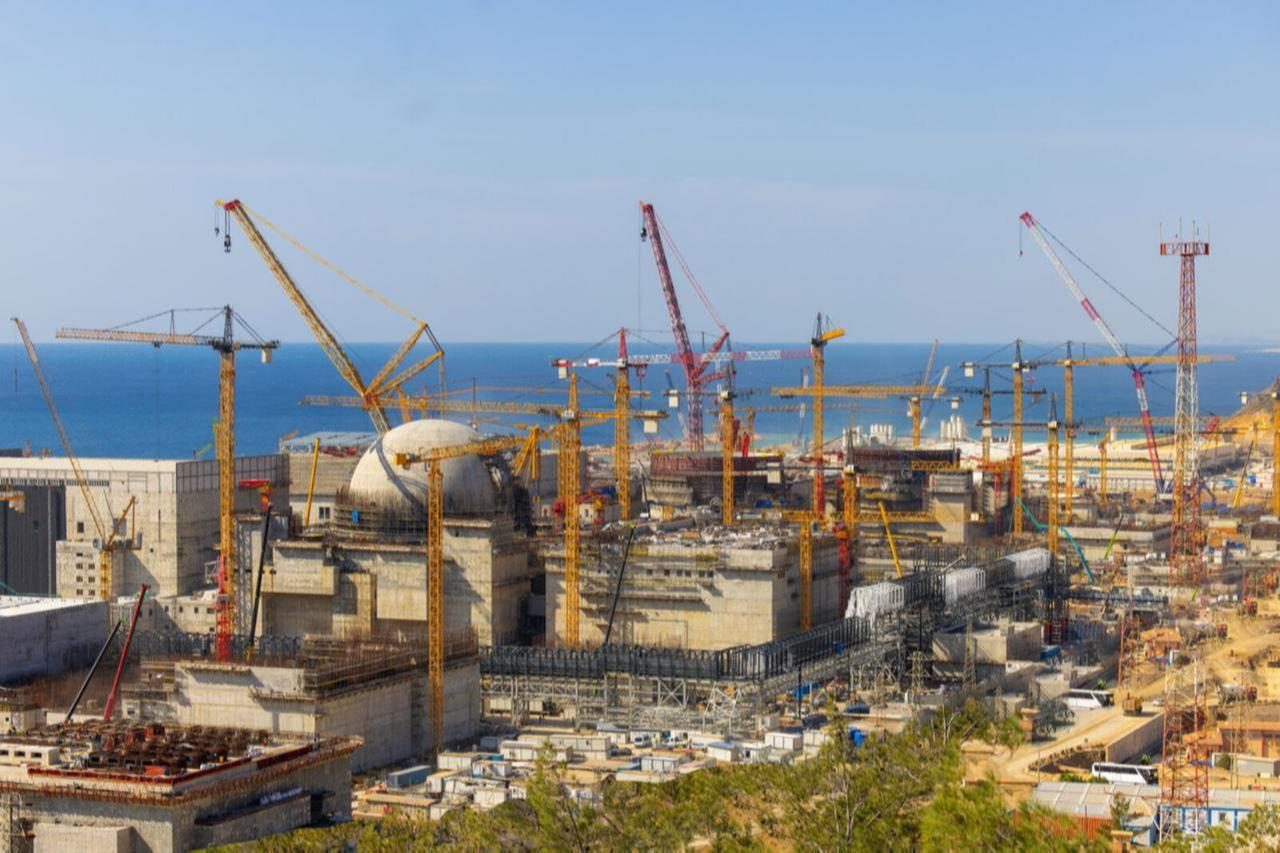
Bayraktar pointed to the Akkuyu Nuclear Power Plant project as the cornerstone of Türkiye’s nuclear future, alongside training programs that have sent students abroad for undergraduate and postgraduate studies.
“Türkiye must have at least 15,000 megawatts of conventional nuclear power,” he said, noting plans for at least 12 large and small reactors across Akkuyu, Sinop, and Thrace. In addition, Türkiye aims to deploy at least 5,000 megawatts of small modular reactors (SMRs), with Teknofest competitions supporting local development of SMR technology.
“Nuclear energy is indispensable for reducing external dependence and lowering carbon emissions,” Bayraktar said, recalling the 2023 declaration in Dubai where countries agreed to nearly triple global nuclear power capacity by 2050.
Bayraktar described the nuclear journey that began after World War II as entering a “golden age.”
“With this 5,000 megawatts of SMR, which I hope we can even exceed, we are making a great effort to take our country to a very different point through this nuclear journey—with our powerships meeting the uninterrupted energy needs of our industry and, in the future, data centers as well,” he said.
He noted the significance of hosting the competition at the Kucukcekmece campus of the Turkish Energy, Nuclear and Mining Research Institute (TENMAK). “Cekmece is the birthplace of nuclear in Türkiye,” he said. “Returning here, I believe, will be a sign of a new beginning.”


 Set as preferred source
 Set as preferred source


 1 min read
 1 min read