Newsletters


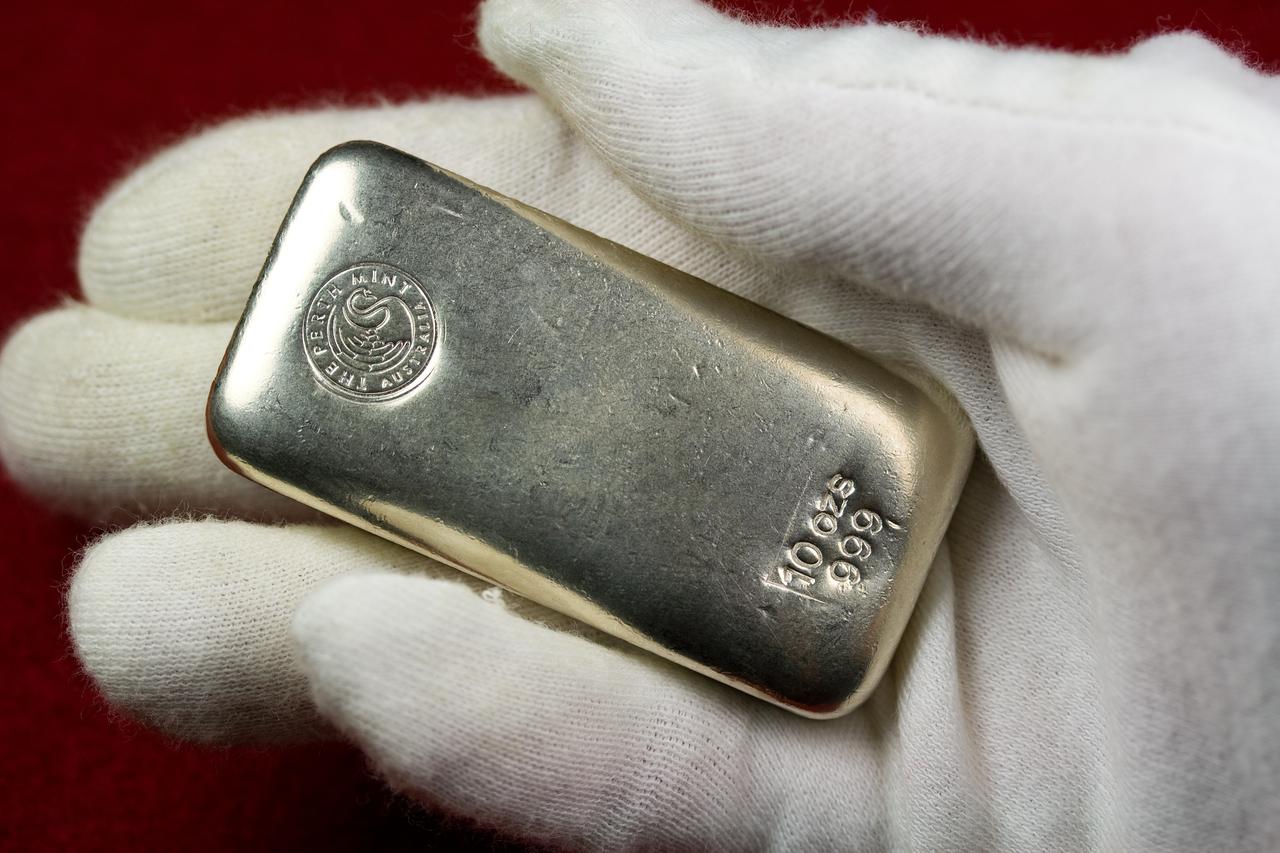


Silver prices reached unprecedented levels in global commodity markets on Wednesday, surging above $65 per ounce to set a new all-time high. Spot prices hit $66.47 at their intraday high, setting a new peak as a rare combination of persistent supply constraints and strong industrial and investment demand has driven the rally since the start of the year.
The white metal extended its gains to over 124% with the latest rally, far outpacing gold’s 60% rise in its most profitable year since 1979.
The sharp rise in silver prices is largely rooted in structural supply shortages, along with surging industrial and investment demand. According to global surveys, 2025 is expected to mark the fifth consecutive year of silver supply deficits, with mined output falling by around 3% year-on-year. Contributing factors include declining ore grades and a lack of new mining projects, limiting the industry’s ability to scale production, according to the World Bureau of Metal Statistics.
In an earlier report this year, the Silver Institute also forecast that silver supply would grow by only 2% year-over-year, keeping the shortfall around 20%.
On the demand side, silver continues to play a vital role in industrial applications, particularly in renewable energy and electronics. Consumption from sectors linked to decarbonization and digitalization has intensified, contributing to silver's outsized gains relative to other commodities.
Silver’s role as both an industrial material and a financial asset has helped broaden its appeal, especially with rising inflows into exchange-traded funds (ETFs). Expectations of looser global monetary policy, including anticipated Fed rate cuts in 2026, have lowered the opportunity cost of holding non-yielding assets like precious metals, triggering renewed interest in silver from institutional portfolios seeking diversification and inflation protection.
In parallel, other precious metals also experienced upward momentum on Wednesday. Gold climbed toward its previous record high, hovering around $4,320 per ounce, after U.S. unemployment data for November prompted speculation of future policy easing by the Federal Reserve. Palladium and platinum followed suit, reaching $1,666.56 and $1,943.85 at their intraday peaks, respectively.
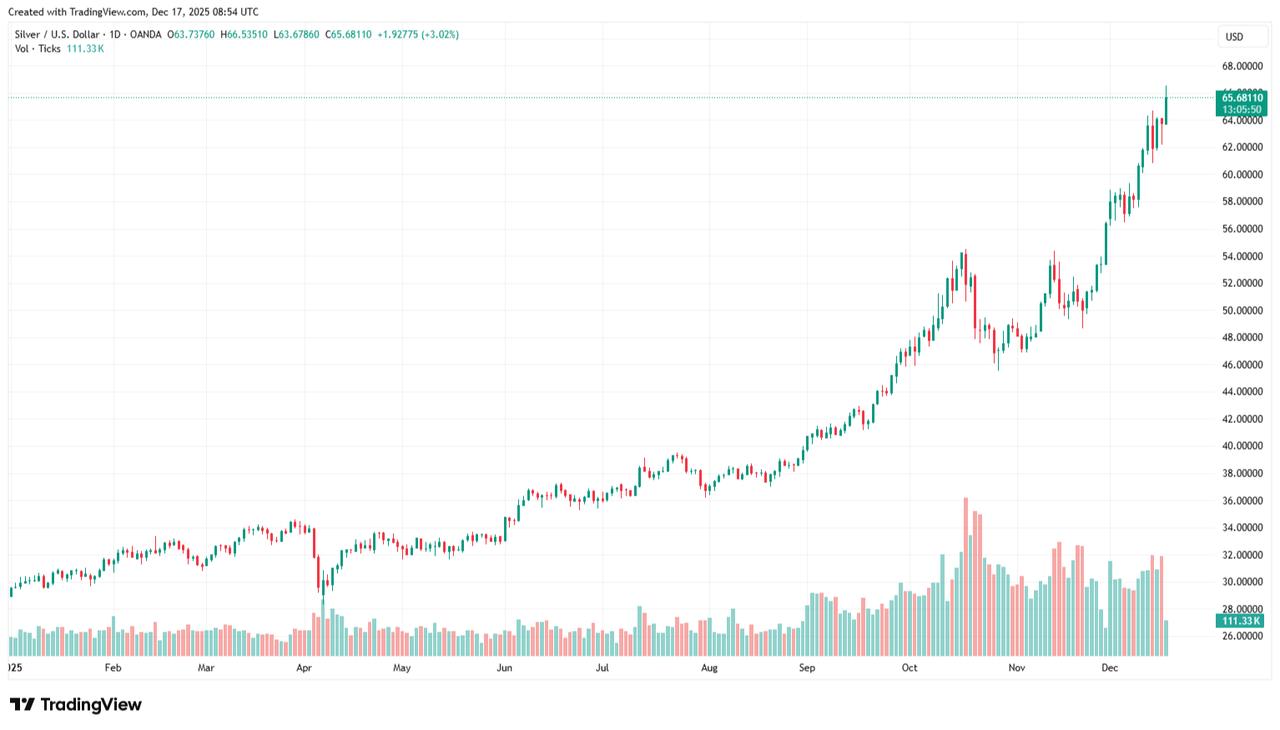

Despite the rally, silver remains one of the most volatile precious metals, as the market is sensitive to a wide range of factors from both the investment and industrial sides.
According to a report by Dutch lender ING, silver has historically tended to move more sharply in both upward and downward directions due to its smaller market capitalization.
Analysts note that silver’s outlook remains closely tied to global manufacturing activity, particularly in sectors such as electronics and solar energy. ING warned that "the primary risk to the outlook comes from the industrial side," adding that a sharper-than-expected global slowdown could slow silver’s momentum.
The bank also said that higher prices sustained over a longer period could lead to demand destruction, even as it expects prices to remain supported by resilient industrial demand, constrained supply growth, and a more favorable macro environment.


 Set as preferred source
 Set as preferred source


 1 min read
 1 min read