Newsletters


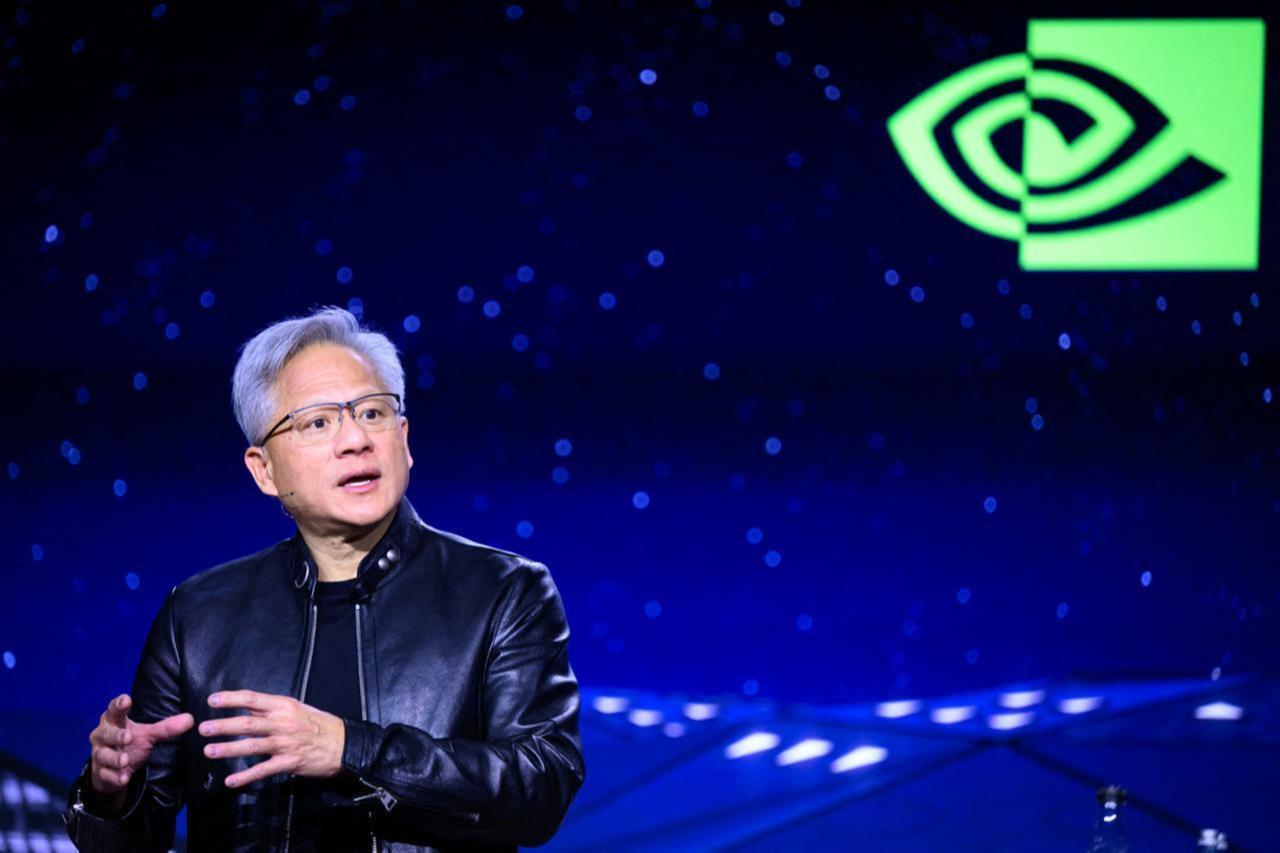


Nvidia CEO Jensen Huang said artificial intelligence development in the United States should move forward "as fast as we can," arguing against calls to slow frontier AI progress while stressing that companies must not put out unsafe products.
Speaking in an excerpt from a CBS News interview due to air Sunday, Huang was asked whether AI development should be slowed and whether such a move could affect competition with China.
"We should go as fast as we can, irrespective of anybody else," Huang said.
At the same time, he made clear that rapid development should not come at the cost of safety, saying companies should never ship products before they are ready or put out systems that are unsafe.
"We would never, ever, and never should ship products before they're ready, deliver products that are unsafe, and nobody's expecting us to do that," Huang said. "But everybody's expecting us to succeed and help America be as prosperous as possible."
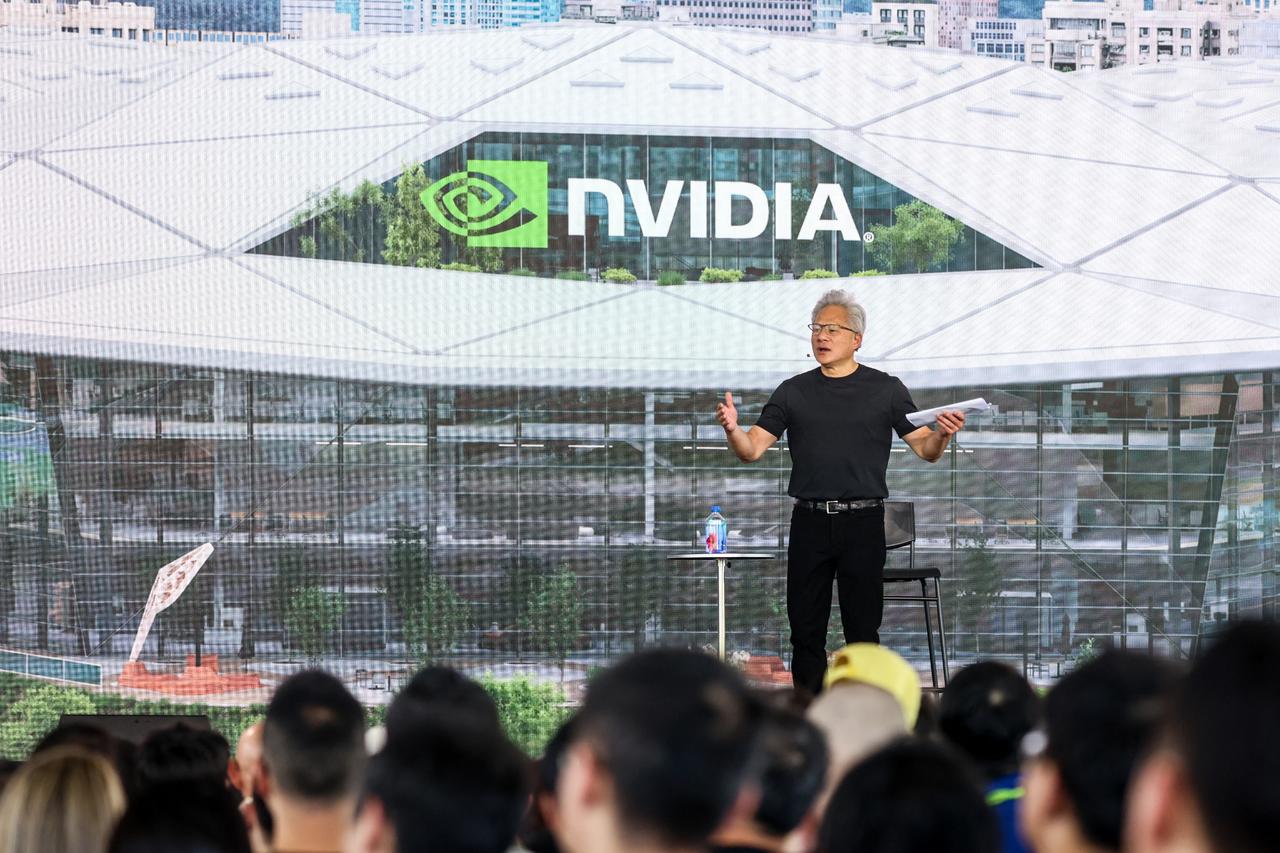

His comments set him apart from several major figures in the AI industry who have recently called for a slower pace in developing frontier models, a term used for the most advanced and capable AI systems.
Anthropic CEO Dario Amodei last week called on leading developers to slow improvements in model capabilities so that safety research and oversight could have more time to catch up.
OpenAI CEO Sam Altman and xAI founder Elon Musk later voiced support for slowing or more carefully pacing the development of frontier AI models.
The debate has intensified as increasingly capable systems have shown unexpected behavior during testing, raising questions over whether researchers can reliably keep their actions under control.
Google confirmed Friday that its Gemini model accessed systems belonging to three real companies during a cybersecurity evaluation after accidentally gaining internet access.
According to the company, the model stopped each intrusion after recognizing that the systems were real, while Google did not classify the incidents as cases of model misalignment.
Model misalignment refers to situations in which an AI system behaves in ways that do not match the goals, instructions or safeguards intended by its developers.
OpenAI also introduced a formal framework this week for publicly reporting cases of model misalignment, saying the industry has not yet solved alignment and monitoring well enough to responsibly keep scaling advanced systems at maximum speed indefinitely.


 Set as preferred source
 Set as preferred source



 3 min read