Newsletters




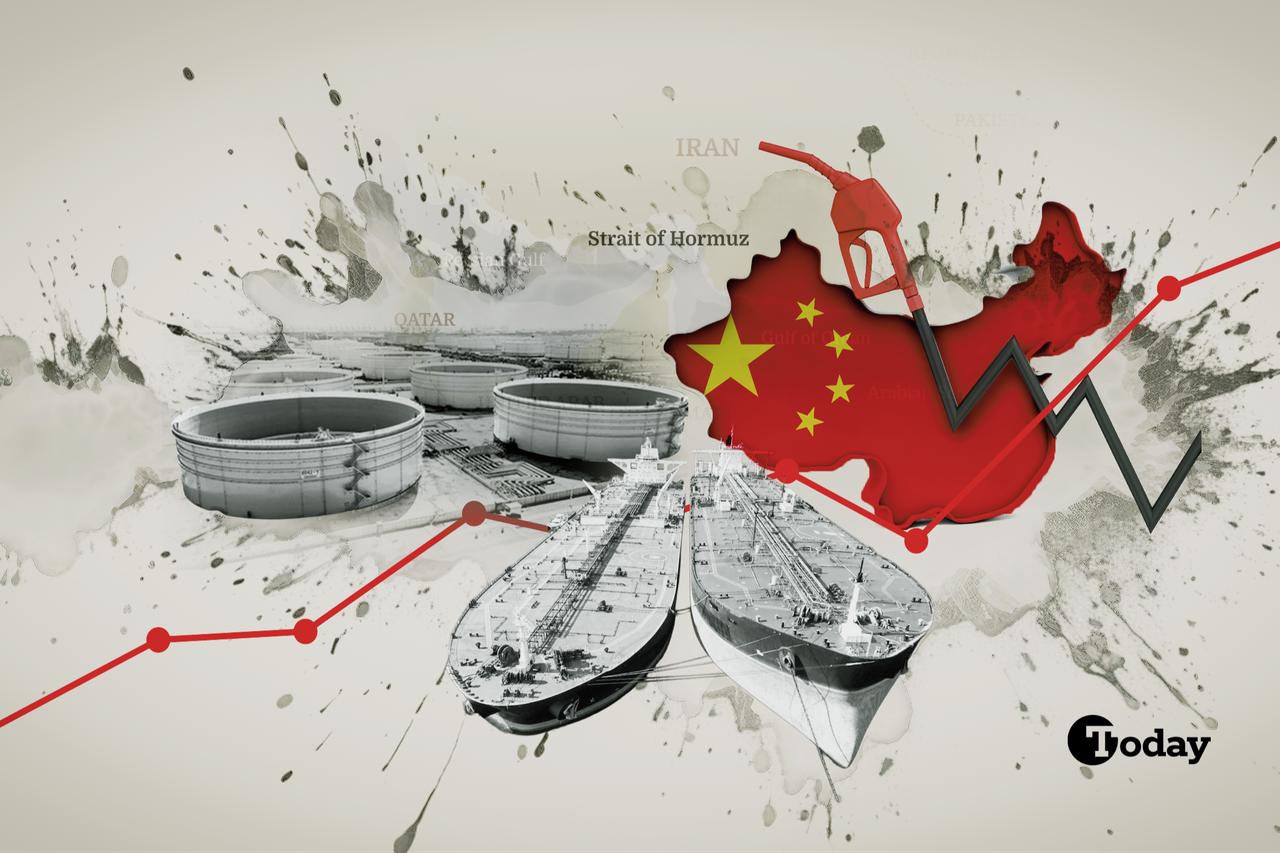
Higher-than-expected U.S. Producer Price Index (PPI) figures released on Wednesday sent already hot oil prices to surge, while losses on precious metals deepened on increased inflation concerns as markets await the Fed's decision on benchmark rates.
Iran also threatened to target U.S.-linked top energy facilities across the Gulf, including sites in Saudi Arabia, the United Arab Emirates, and Qatar, further intensifying supply concerns.
International benchmark Brent oil jumped 5% to above $108 per barrel, while U.S. benchmark WTI crude hit $97.5 per barrel. Gold, which had gained over 60% year-over-year, fell more than 3% to $4,840 per ounce, with silver following the move, sliding to $76.5 per ounce.
Starting the day in positive territory, the pan-European Stoxx 600 index turned negative, falling 0.4%, while all three major U.S. indices opened lower.
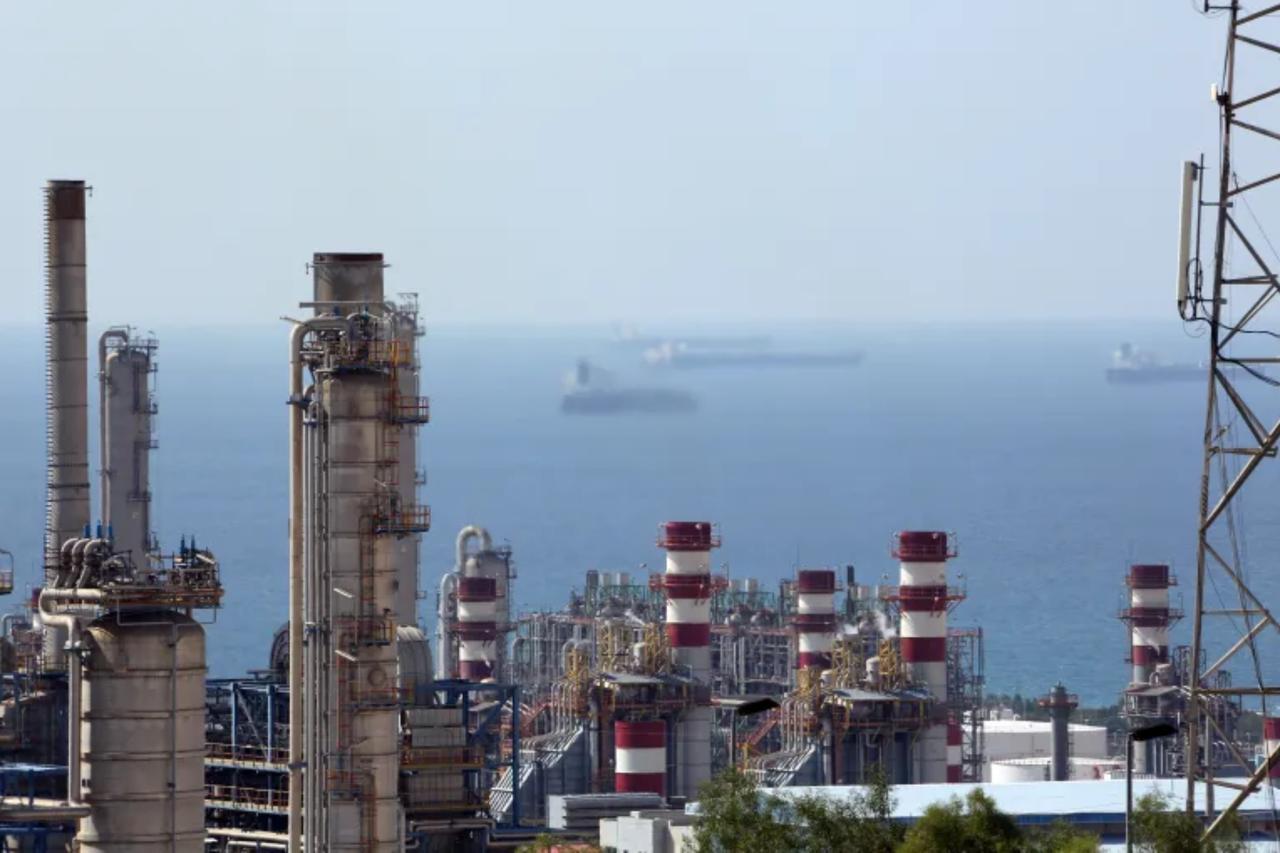
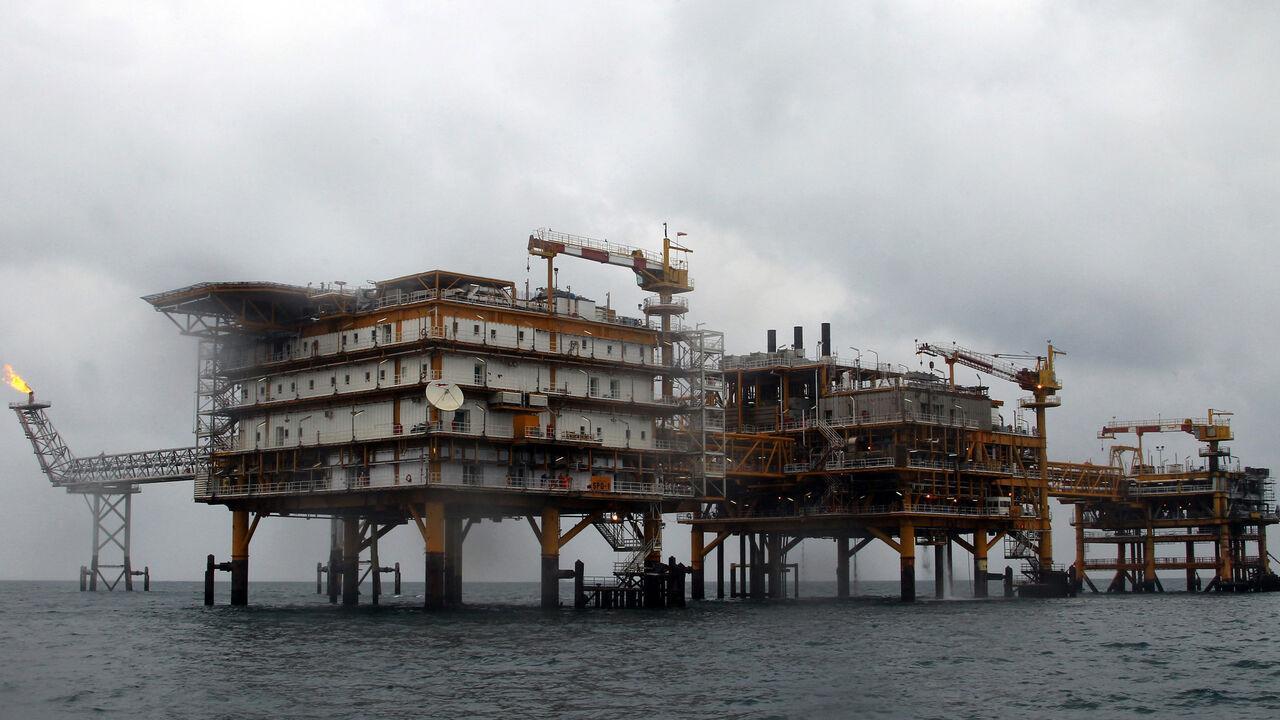
U.S.-Israeli strikes hit Iran’s key oil refineries and facilities linked to the South Pars gas field, the first time the country’s upstream oil and gas infrastructure has been targeted since the war began.
The confrontation had already disrupted shipping activity through the Strait of Hormuz, a strategic route that carries around one-fifth of global oil and liquefied natural gas flows under normal conditions. The South Pars field, shared between Iran and Qatar, is among the world’s largest natural gas reserves and plays a central role in regional energy supply.
Following the strikes, Iran warned that it would target U.S.-linked energy facilities in Saudi Arabia, the United Arab Emirates, and Qatar in response to attacks on its refineries.
The evacuation alert named several sites, including Saudi Arabia’s Samerf refinery and Al Jubail petrochemical complex, the UAE’s Al Hosn gas field, and Qatar’s Mesaieed petrochemical complex linked to U.S. energy company Chevron, as well as Mesaieed Holding facilities and phases 1 and 2 of the Ras Laffan refinery.

The U.S. Producer Price Index increased by 0.7% month-on-month, exceeding market expectations of a 0.3% rise. On an annual basis, the index climbed 3.4%, marking the fastest increase since February 2025.
More than half of the monthly increase was driven by a 0.5% rise in service costs. The gains were broad-based, with notable increases in accommodation services as well as food and alcohol wholesaling. Goods prices also rose by 1.1% on a monthly basis, the largest increase since August 2023.
The stronger data reinforced expectations that the Federal Reserve will keep its benchmark interest rate within the 3.50%–3.75% range. Higher interest rates tend to reduce demand for non-yielding assets such as gold by increasing the cost of holding them, while making interest-bearing assets more attractive.


 Set as preferred source
 Set as preferred source


 2 min read
 1 min read