Newsletters


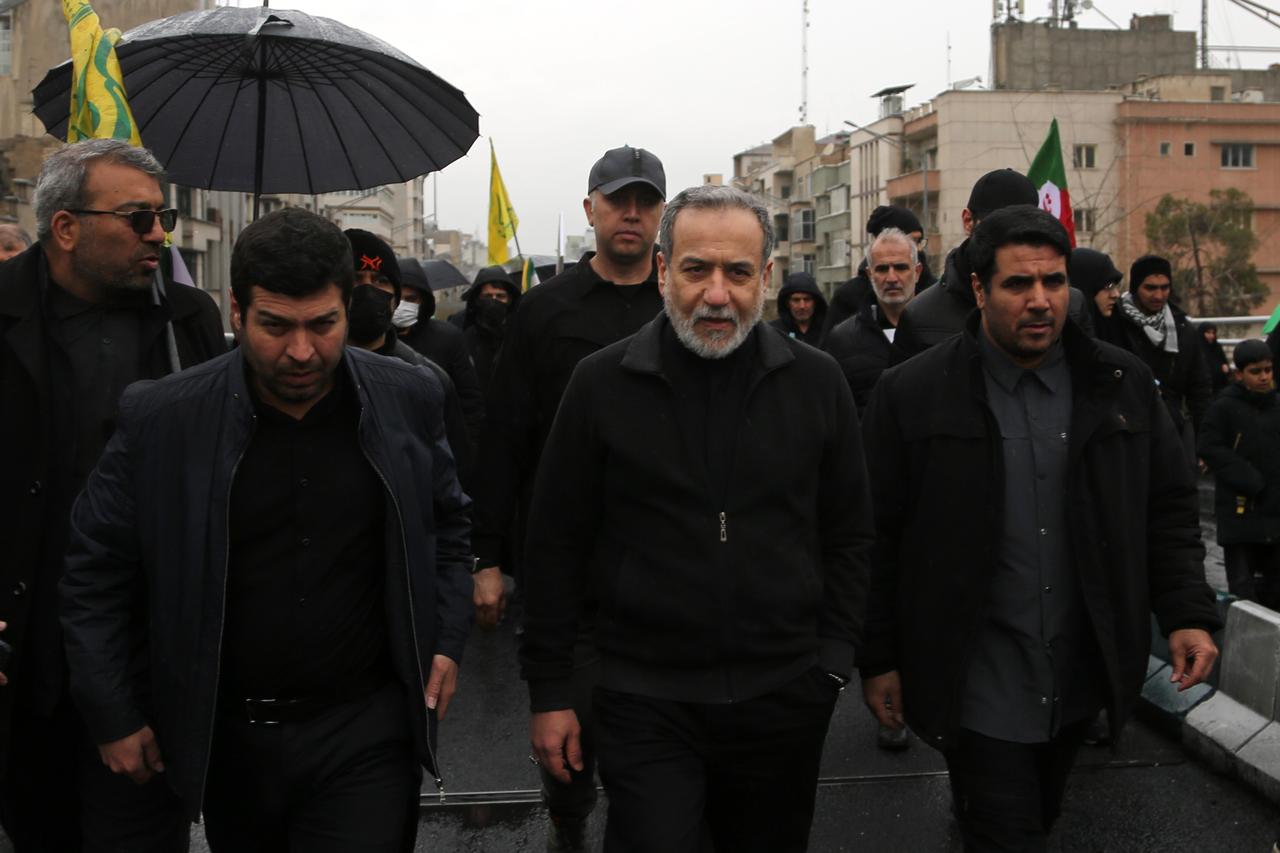


Iranian Foreign Minister Abbas Araghchi stated Friday that oil prices are likely to continue rising due to U.S. and Israeli policies in the region, as Germany and Norway rejected Washington's decision to temporarily allow purchases of stranded Russian oil to ease the global energy crunch.
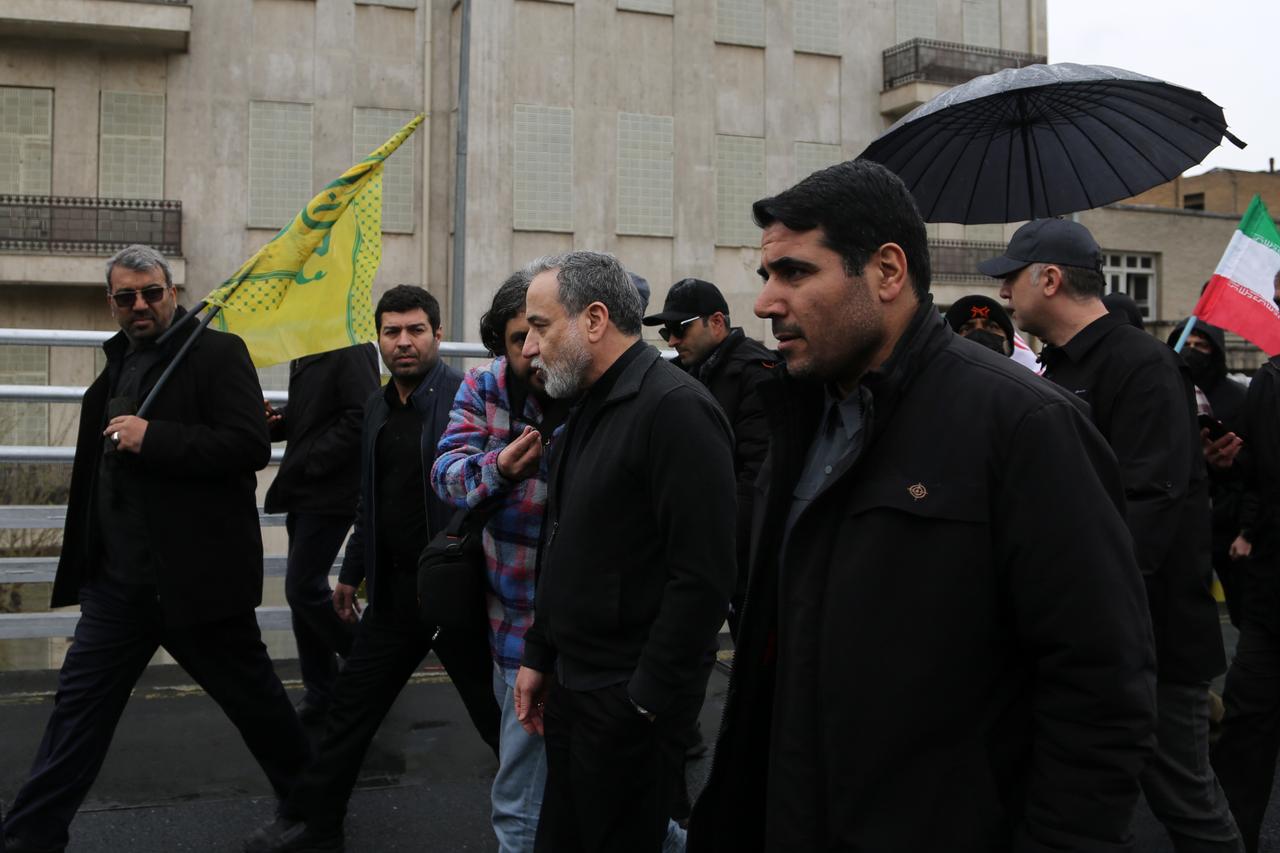

Araghchi, speaking to Türkiye's state-run Anadolu Agency (AA) while attending the pro-Palestinian Quds Day march in Tehran, said oil prices are currently very high and are likely to climb further.
"Considering the policies of the United States and Israel in the region, prices are likely to continue rising in the future," he stated.
Araghchi said those driving the region toward catastrophe bear responsibility for the price surge, pointing directly at the U.S. and Israel, and said those countries must be held accountable.
He said the Iranian people had turned out in the streets in the millions despite the ongoing U.S.-Israeli attacks.
"Not only in Tehran but in all cities, the Islamic Republic of Iran has demonstrated its determination to support Jerusalem, Palestine, and all the ideals we have defended for years. Hopefully, we will continue with this strength and determination, and our enemies will have to recognize the strength of the Iranian people," Araghchi said.
Since Israel and the U.S. launched joint attacks on Iran on Feb. 28, killing some 1,300 people, including then-Supreme Leader Ali Khamenei, hostilities have escalated.
Iran has retaliated with drone and missile strikes targeting Israel, Jordan, Iraq and Gulf countries hosting U.S. military assets, and has effectively closed the Strait of Hormuz since around March 1.
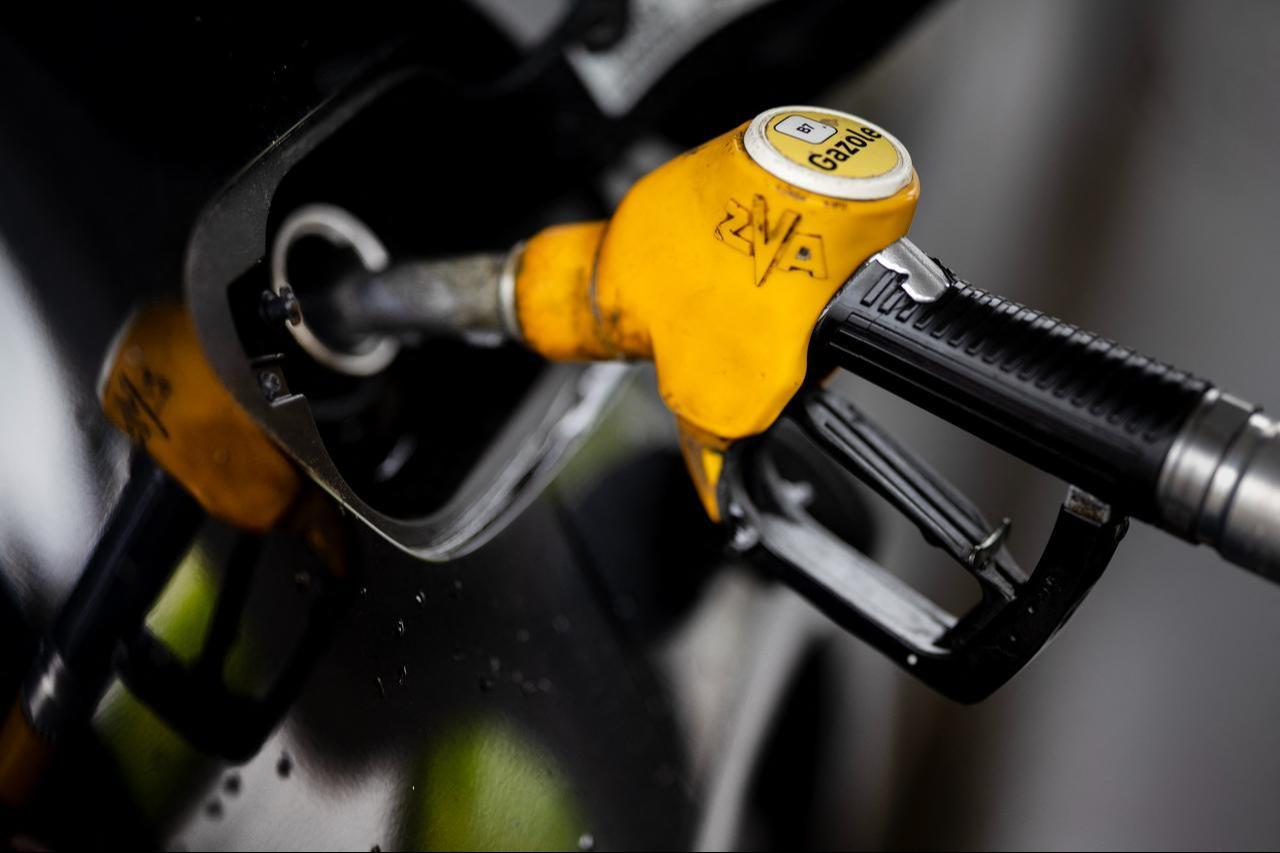
German Chancellor Friedrich Merz called the U.S. decision to temporarily allow purchases of stranded Russian oil a "wrong decision," saying sanctions relief is inappropriate regardless of the reason.
"Right now, for whatever reason, loosening sanctions would be wrong. We will continue our support for Ukraine. The Iran war will not make us abandon or distract us from this decision," Merz said, speaking alongside Norwegian Prime Minister Jonas Gahr Store at the Andoya Space Center in Norway.
Merz said the issue of Russian oil and gas supply was raised at a G7 leaders' meeting with U.S. President Donald Trump.
"Six members of the G7 expressed a very clear view that this is not the right signal. This morning we learned that the American government has clearly made a different decision. I repeat, we consider this wrong. Right now there is a price problem, but not a quantity problem," Merz said.
Merz added that he wanted to understand what motivated the U.S. to make the decision, noting it is a temporary one.
"Above all, when will this war end? And with what strategy will this war be ended? There is no real answer to these questions," he said.
Asked about the possibility of Germany escorting ships through the Strait of Hormuz with naval forces, Merz said, "Right now, I see no reason to think about military protection of sea lanes. Germany is not part of this war and does not want to be."
He added that Germany's entire effort is directed at ending the war, and that this has been discussed with both the U.S. and Israeli governments.
Norwegian Prime Minister Store said the U.S. decision to allow purchases of stranded Russian oil is "not right."
Speaking alongside Merz, Store said, "The most important message we should send to Russia is that the war in Ukraine must stop. This must also be implemented largely through what is done in the energy field."
Store said Norway has no plans to participate in any military operation in the Middle East, adding: "Norwegian ships are being affected by the disruption in the Gulf, including the Strait of Hormuz. It is worrying to see the effects of a war started without knowing what its end will be."
Store also said he wants to strengthen cooperation with Germany, covering space-based surveillance, satellite communications and the enhancement of launch capacity at Andoya, adding that such cooperation is important for both Europe and NATO.
U.S. Treasury Secretary Scott Bessent had announced the temporary permission, saying it was intended to increase global access to the current oil supply.
According to a general license issued by the Treasury Department, transactions necessary for the sale, delivery or offloading of Russian-origin oil or petroleum products, otherwise prohibited under sanctions, were permitted until April 11, provided the products were loaded onto vessels by March 12.


 Set as preferred source
 Set as preferred source


 1 min read
 1 min read