Newsletters


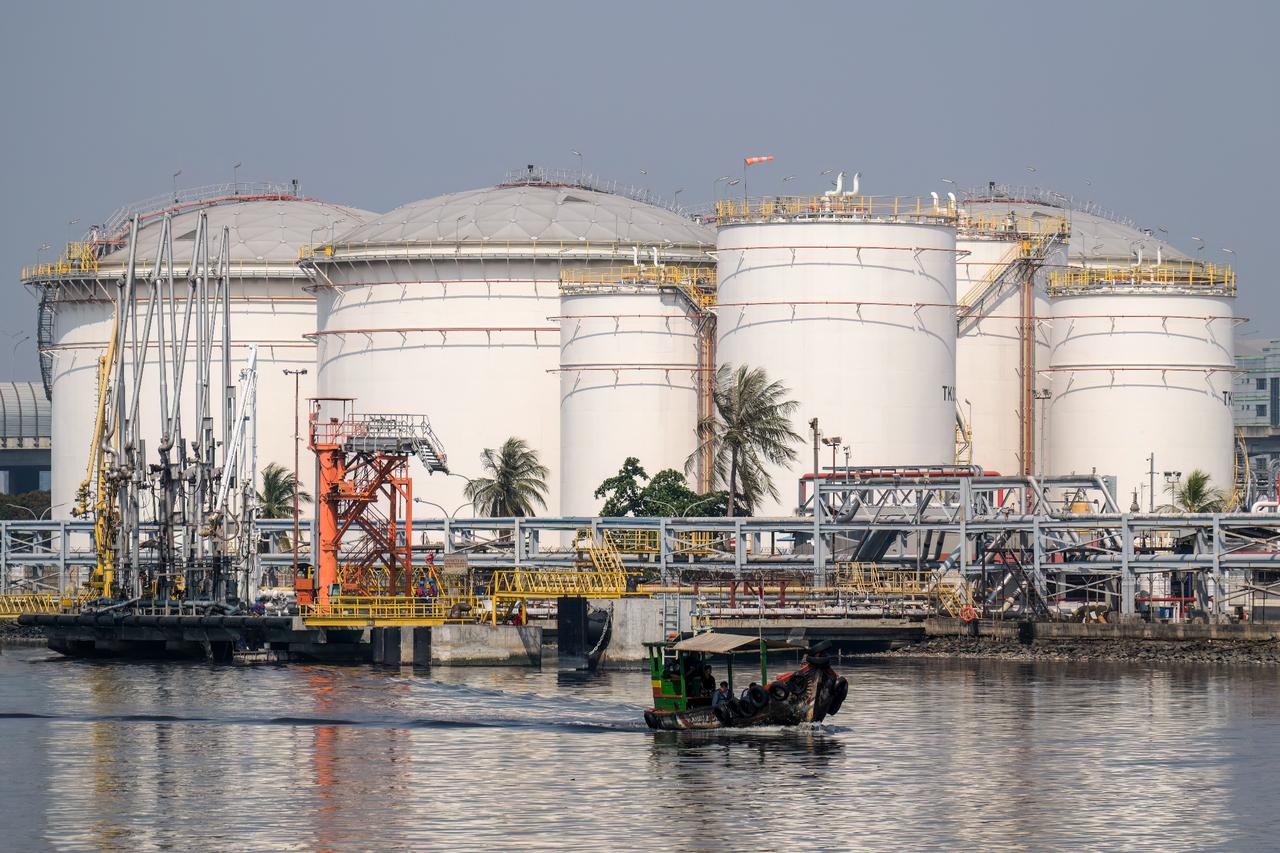


Oil prices gained on Friday after days of sharp losses as fresh Israeli airstrikes in southern Lebanon raised concerns about the U.S.-Iran deal, which includes efforts to ease tensions in Lebanon, while global stock markets turned lower following several days of gains.
International benchmark Brent crude rose back above the $80 mark as of 5:40 a.m. GMT after Israeli strikes killed at least 16 people in Lebanon's Nabatieh region, according to local media reports. U.S. benchmark WTI also climbed to $76.3 per barrel.
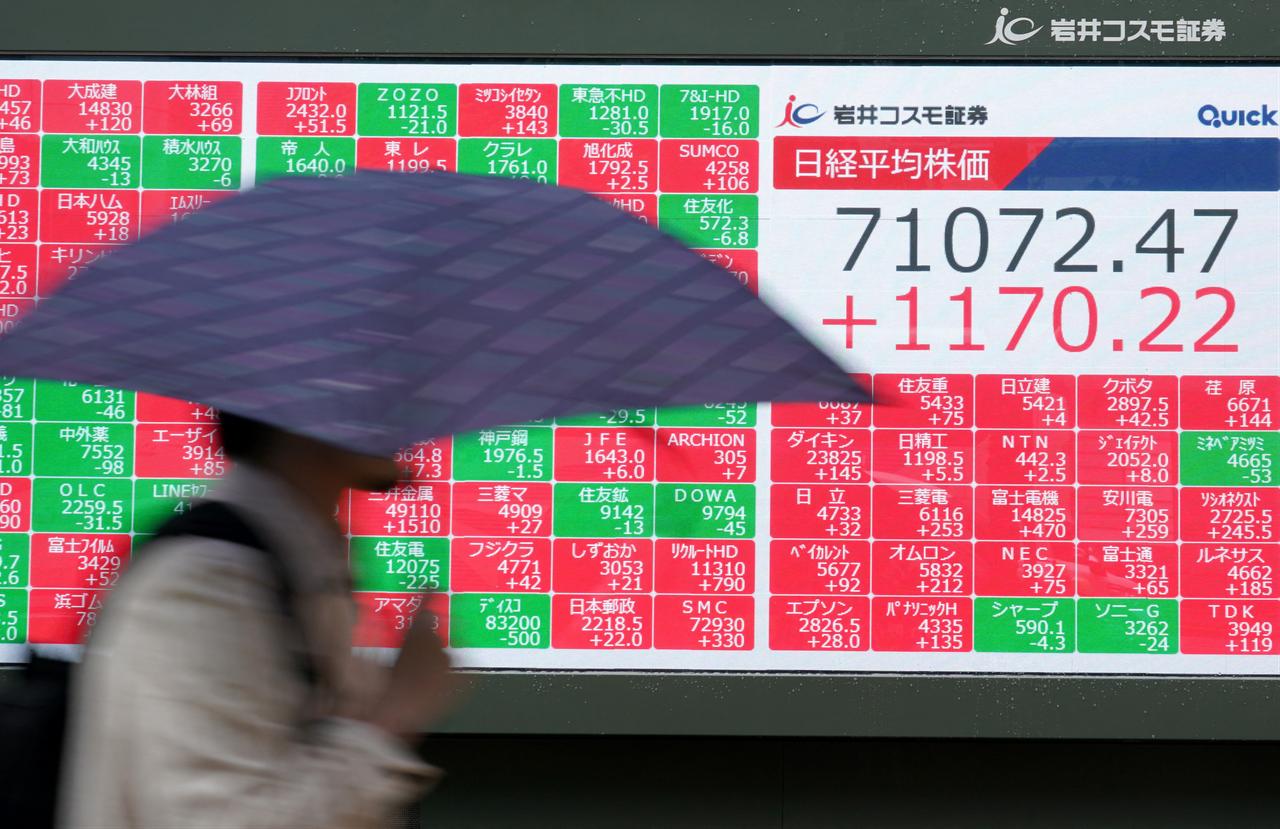
Among Asian equities, Japan's Nikkei 225 and South Korea's Kospi, which extended their recent record-breaking rally in early trading, pared gains and slipped into negative territory. Hong Kong's Hang Seng fell a further 1.6% amid concerns over the U.S. Federal Reserve's hawkish stance, while China's Shanghai Composite lost 0.4%.
European stock futures also came under pressure, with Euro Stoxx 50 and DAX futures down 0.5% and FTSE futures off 0.2%, before trimming some of their losses. Futures tied to major U.S. indices traded lower as well.
Precious metals retreated, with gold falling 1.6% to $4,140 and silver dropping 2.5% to around $64 per ounce. Palladium and platinum also declined, losing 2% and 1.6% to $1,240 and $1,660, respectively.
Cryptocurrencies moved lower, with bitcoin and ethereum falling 1.8% and 1.9% to $62,740 and $1,700, respectively. The total cryptocurrency market capitalization also slipped 1.5% to $2.2 trillion.

The shift in sentiment came after the U.S.-Iran truce was signed this week to halt three months of hostilities and launch nuclear talks. The deal fueled a rally across global markets, as it lifted restrictions on shipping through the Strait of Hormuz, a key energy corridor.
Prospects for reopening the strait, which normally handles around a fifth of global oil flows, pushed oil prices below $80 per barrel for the first time since early March and eased fears of inflationary pressures.
However, global markets, already beginning to price in a deterioration of this optimistic outlook after the U.S. Federal Reserve signaled a hawkish stance at its latest meeting under new Chair Kevin Warsh, face a new test after Israeli forces launched fresh strikes on Lebanon early Friday, killing at least 24 people.
The strikes spark concerns that they could undermine the U.S.-Iran deal, as Tehran views Lebanon as a key part of the agreement's broader effort to reduce regional tensions.


 Set as preferred source
 Set as preferred source


 1 min read
 1 min read