Newsletters


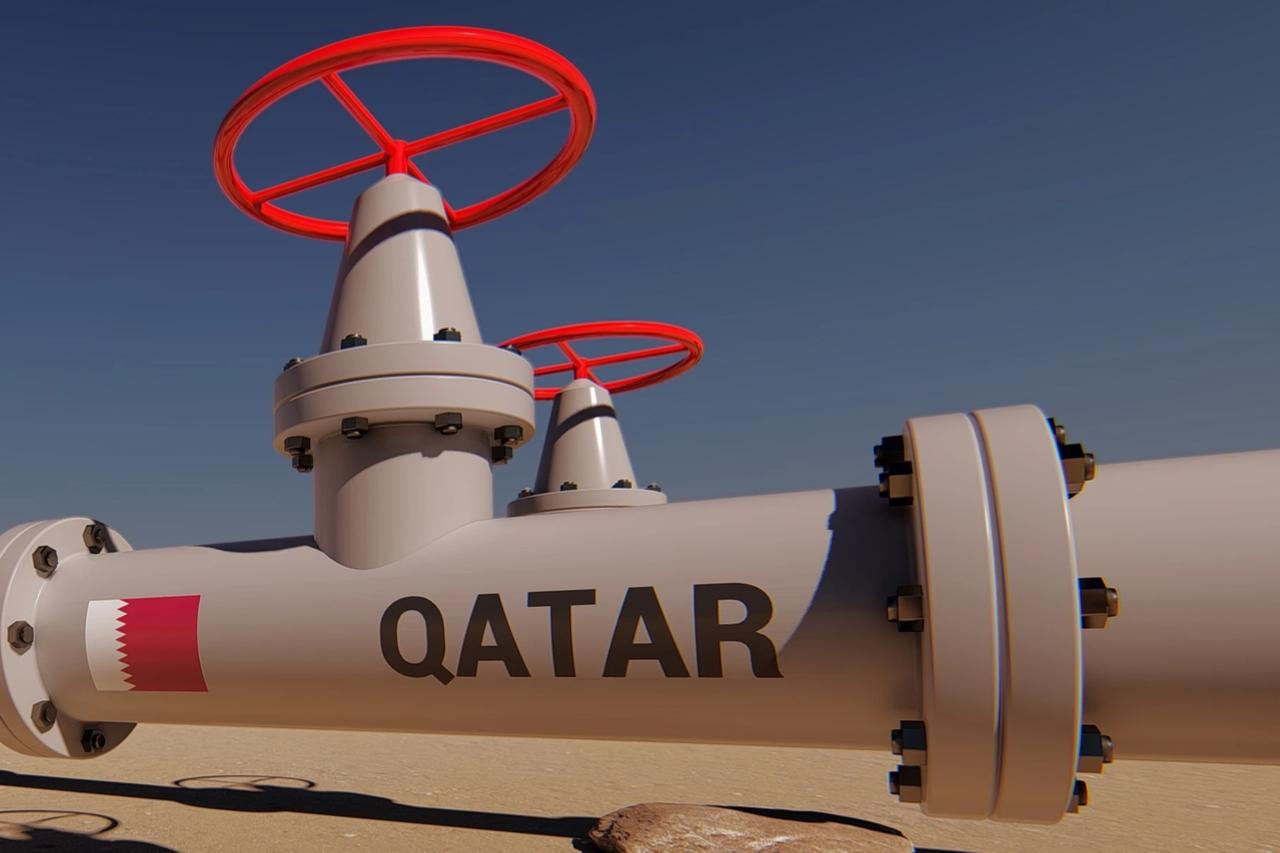


Asian and European buyers of liquefied natural gas are preparing to seek lower prices and stronger supply guarantees from Qatar and the United Arab Emirates as disruptions in the Strait of Hormuz reshape perceptions of supply risk in the Gulf, Reuters reported Thursday.
Buyers, traders and industry executives told Reuters that higher insurance costs and concerns over future disruptions could give customers greater leverage in negotiations with Qatar and the UAE, two major global suppliers of liquefied natural gas (LNG).
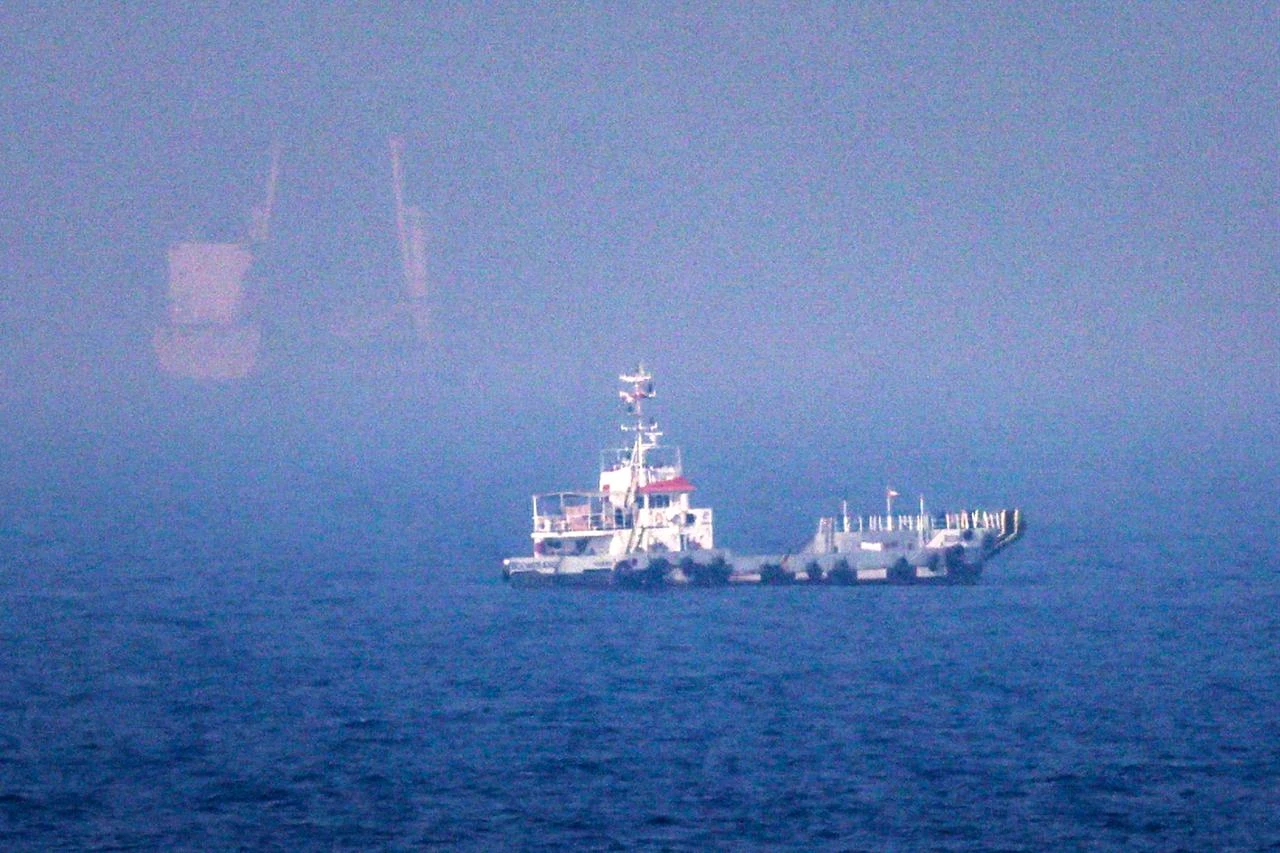

According to Reuters, six Asia-based traders said future negotiations with Gulf producers are expected to focus not only on lower prices but also on greater security and diversification of supplies.
Buyers could seek guarantees that replacement cargoes would be provided if shipments through the Strait of Hormuz are disrupted, Reuters reported. Alternative supplies could potentially come from projects outside the Gulf, including QatarEnergy's Golden Pass LNG project in the United States.
The changing risk calculation comes as Qatar and the UAE pursue major expansions in LNG production. QatarEnergy says its North Field projects are designed to raise Qatar's LNG production capacity from 77 million metric tons per year to 142 million by the end of 2030. ADNOC's Ruwais LNG project, meanwhile, will have an export capacity of 9.6 million metric tons annually and is expected to more than double the company's LNG production output.
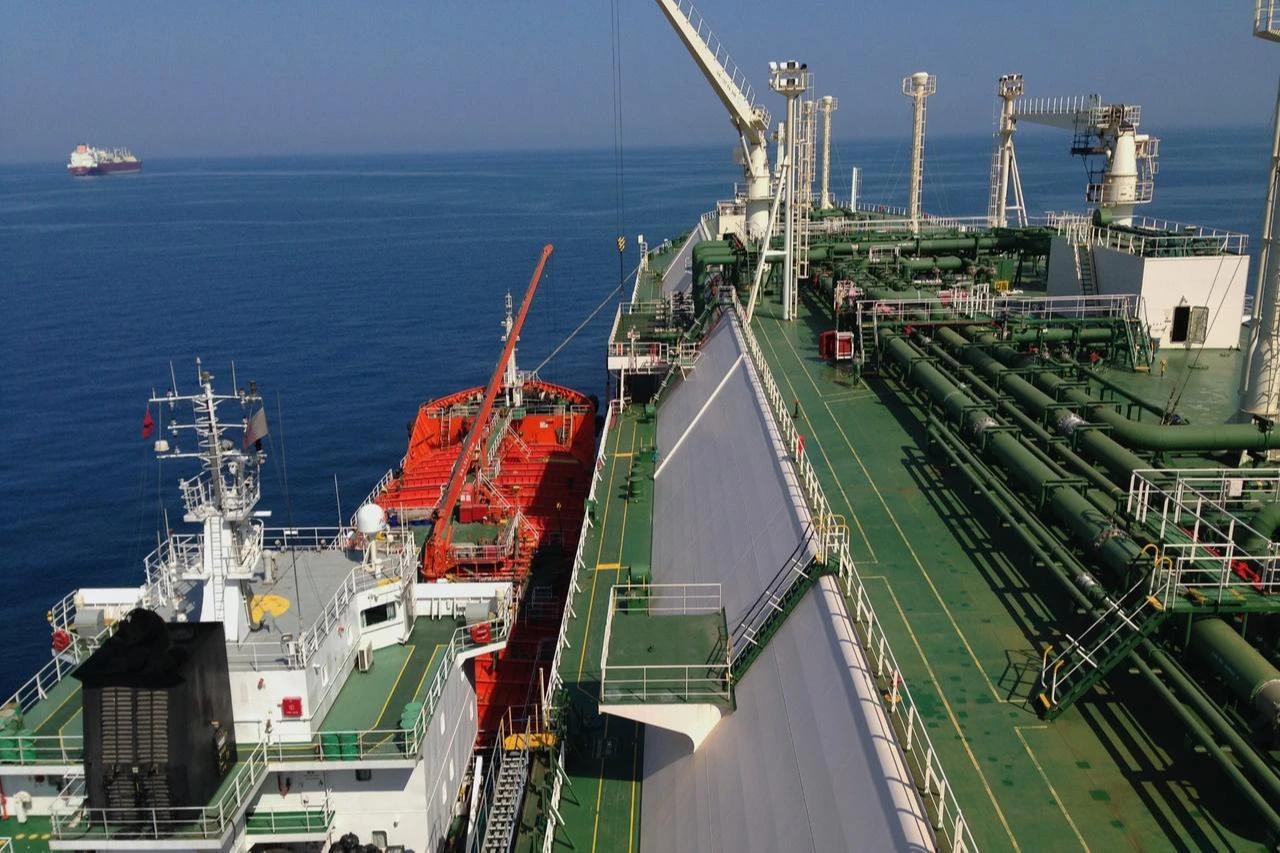
Reuters reported that long-term LNG contracts from Qatar and the UAE had typically been priced at about 12.6% to 12.7% of Brent crude prices before the Iran war, while some more recent agreements were concluded closer to 12.3%, according to an industry source.
Italian energy company Edison has also been affected by disruptions to Qatari supplies. The company has a 25-year agreement, in force since 2009, for 6.4 billion cubic meters of Qatari gas annually. Edison said in May that QatarEnergy had extended force majeure affecting deliveries under the contract.
Edison CEO Nicola Monti told Reuters that future contracts with Gulf suppliers would have to reflect a changed risk profile following the disruption in the Strait of Hormuz and the possibility that similar events could occur again.


 Set as preferred source
 Set as preferred source


 1 min read
 1 min read