Newsletters




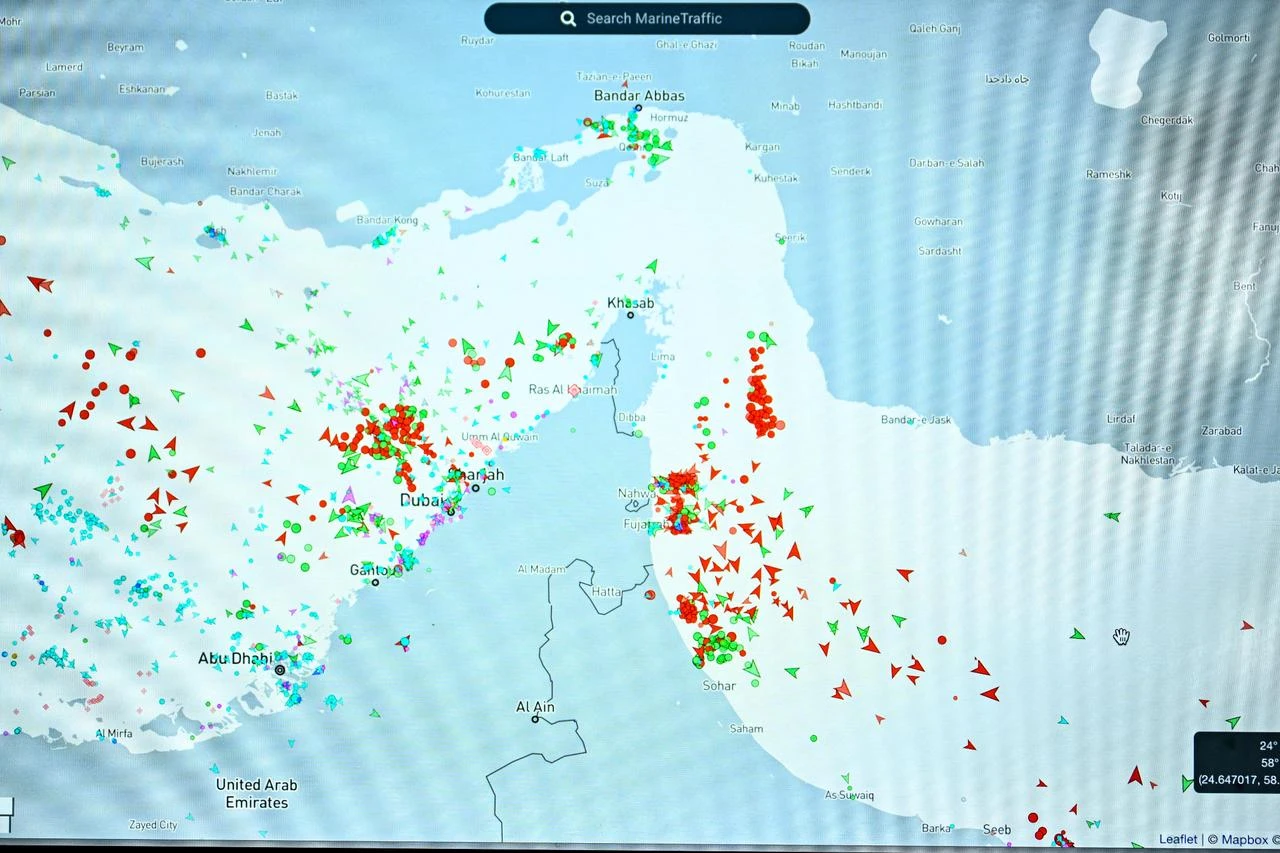
Oil prices moved higher on Tuesday after two tankers carrying Saudi crude abruptly turned around in the Red Sea following fresh threats from Yemen's Iran-backed Houthi movement, raising concerns over the security of a key global energy route after the disruptions around the Strait of Hormuz.
Both international benchmark Brent crude and U.S. benchmark West Texas Intermediate (WTI) extended gains to about 2%, climbing to $91 and $84.30 a barrel, respectively, as of 1 p.m. GMT.
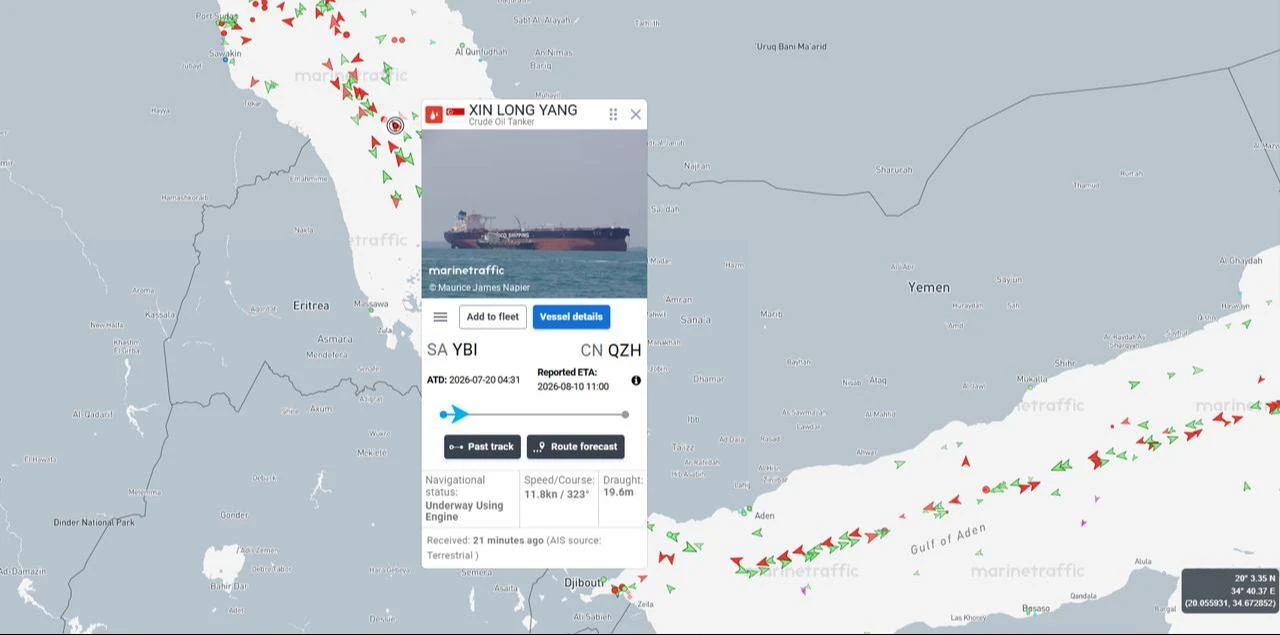
Shipping data from LSEG showed the vessels changed course before reaching the Bab el-Mandeb Strait and headed back toward the Suez Canal after the Houthis warned they would target ships traveling to or from Saudi ports.
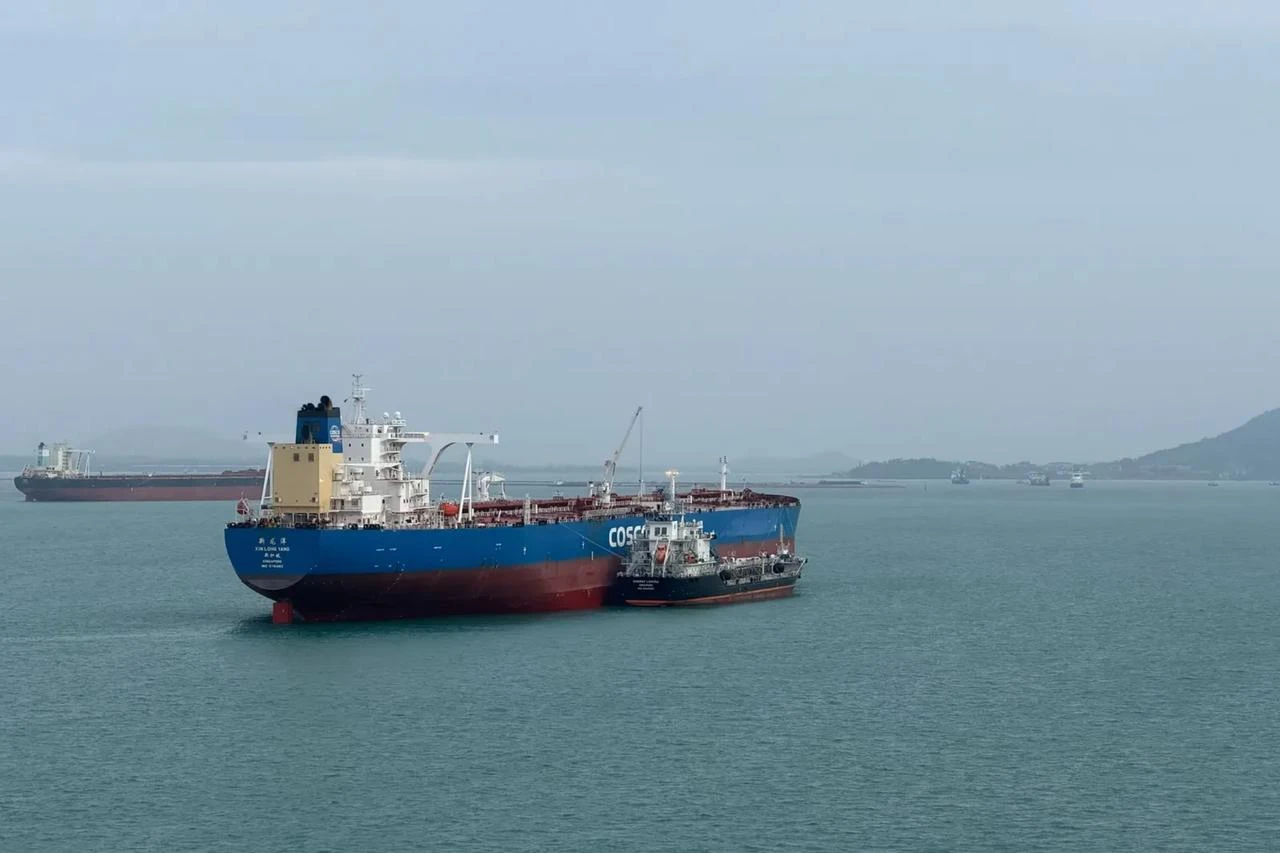
Bloomberg reported that one of the affected vessels, the Chinese crude carrier Xin Long Yang, carrying about 2 million barrels of Saudi crude to China, halted near Yemen before reversing course.
The diversions came a day after the Houthis declared a maritime embargo against Saudi Arabia.
Following the announcement, Reuters reported that the group had sent emails to shipping companies warning that vessels loading or unloading cargo at Saudi ports would violate the embargo and could be targeted anywhere within the operational range of Yemeni forces.
The warning, issued through the Houthis' Humanitarian Operations Coordination Center (HOCC), urged companies to avoid Saudi ports and cautioned that vessels breaching the restrictions could face sanctions as well as military action.
The measures took effect at 1201 GMT on July 20, adding a new layer of risk to global energy trade and commercial shipping routes.

However, before the reports of tankers reversing their direction, Bloomberg also suggested that several Asian buyers have not yet altered their procurement plans.
Six refiners across Japan, South Korea, China and Taiwan still expect scheduled cargo loadings from Saudi Arabia's Yanbu terminal to proceed as planned, according to the report citing people with direct knowledge of the matter.
Yanbu has become Saudi Arabia's main export outlet since disruptions around the Strait of Hormuz forced the kingdom to reroute most of its crude shipments through the Red Sea.
More than 70% of Saudi crude exports now move via Yanbu, with daily loadings reaching around 4.7 million barrels per day in mid-July, close to the terminal's export capacity.
In a statement on Tuesday, International Energy Agency (IEA) Executive Director Fatih Birol warned that any disruption to shipping through the Bab el-Mandeb Strait would further deepen global oil and LNG supply disruptions.


 Set as preferred source
 Set as preferred source


 1 min read
 1 min read