Newsletters


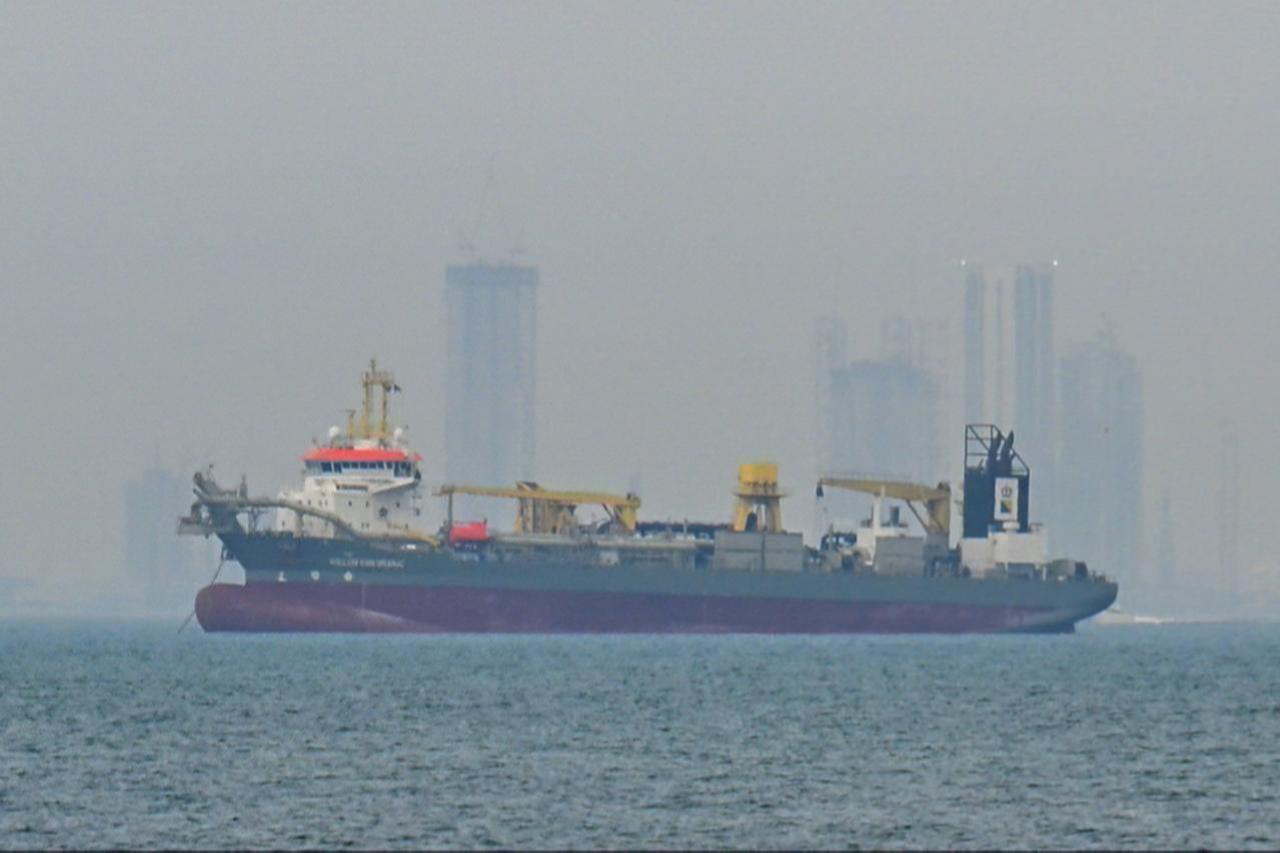


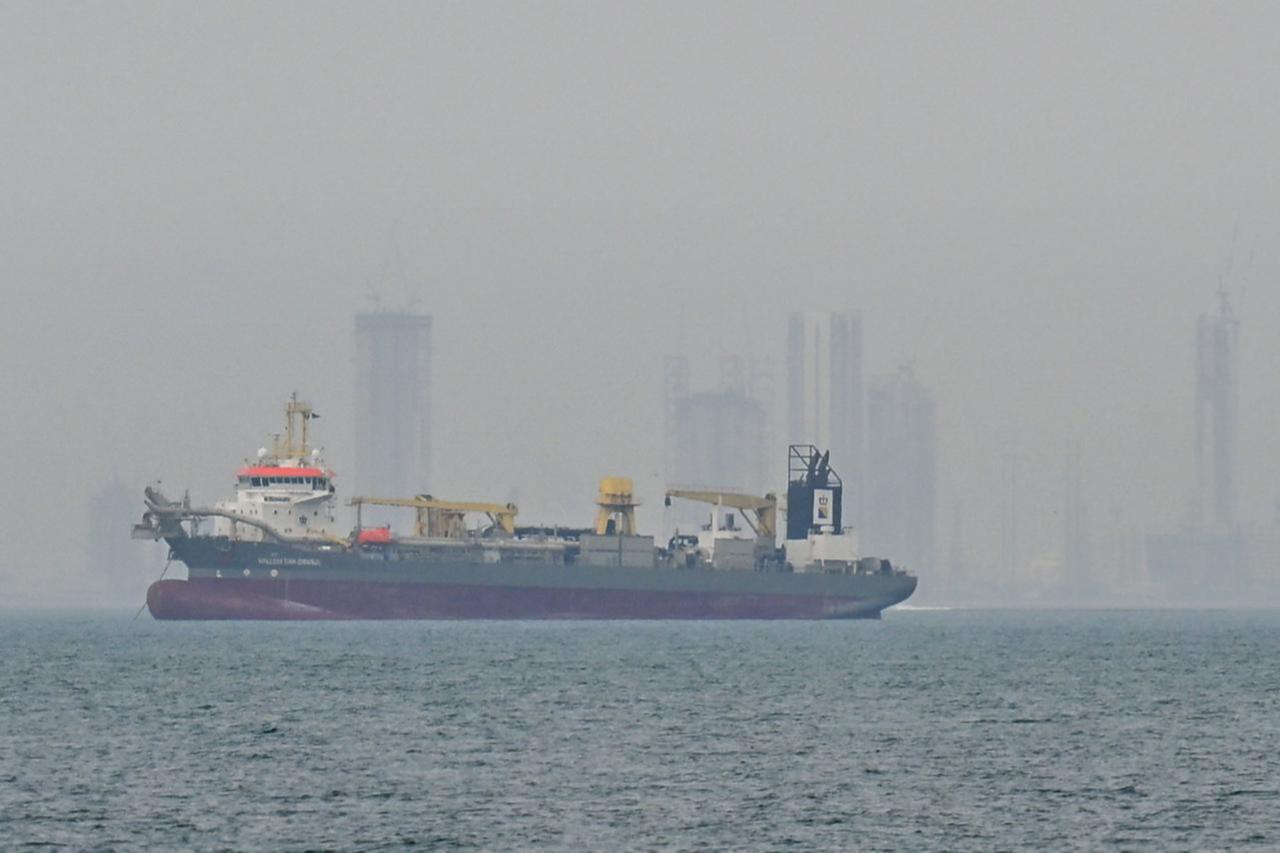
Oil tankers have started moving again through the Strait of Hormuz, though slowly, signaling a partial easing in disruptions to the key global energy route, White House Economic Adviser Kevin Hassett said Tuesday.
"Already you're seeing tankers are starting to dribble through the straits, and I think it's a sign of how little Iran has left," Hassett asserted, reiterating that the U.S. administration’s expectation that the war would not extend for months.
"We're very optimistic that this is going to be over in the short run," he added, saying that surging oil and gas prices will ease as supply chains normalize.
Despite Hassett’s statement, the effective closure of the strait, which carries about one-fifth of global energy supply, entered its third week on Monday, with shipping still limited through the waterway. Brent crude hovers around $102.3 per barrel with a 2% daily gain, while European gas futures at the Dutch TTF Hub also remained elevated above €51.9 ($59.76)per megawatt-hour.
Hassett pointed to potential changes in global oil flows, particularly from Asia. He noted that some countries may reduce refined fuel exports to secure domestic supply amid uncertainty. "We're seeing some signs that they might be pulling that back to make sure that they have enough energy for themselves," he told CNBC, adding that Washington has contingency plans in place.
Hassett also said the reopening of the waterway aligns with China’s interests, noting that both countries share a goal of keeping global oil markets stable. He added that talks between Washington and Beijing could resume once the conflict ends.
Trump had earlier postponed a planned meeting with Chinese President Xi Jinping to focus on developments related to the conflict.
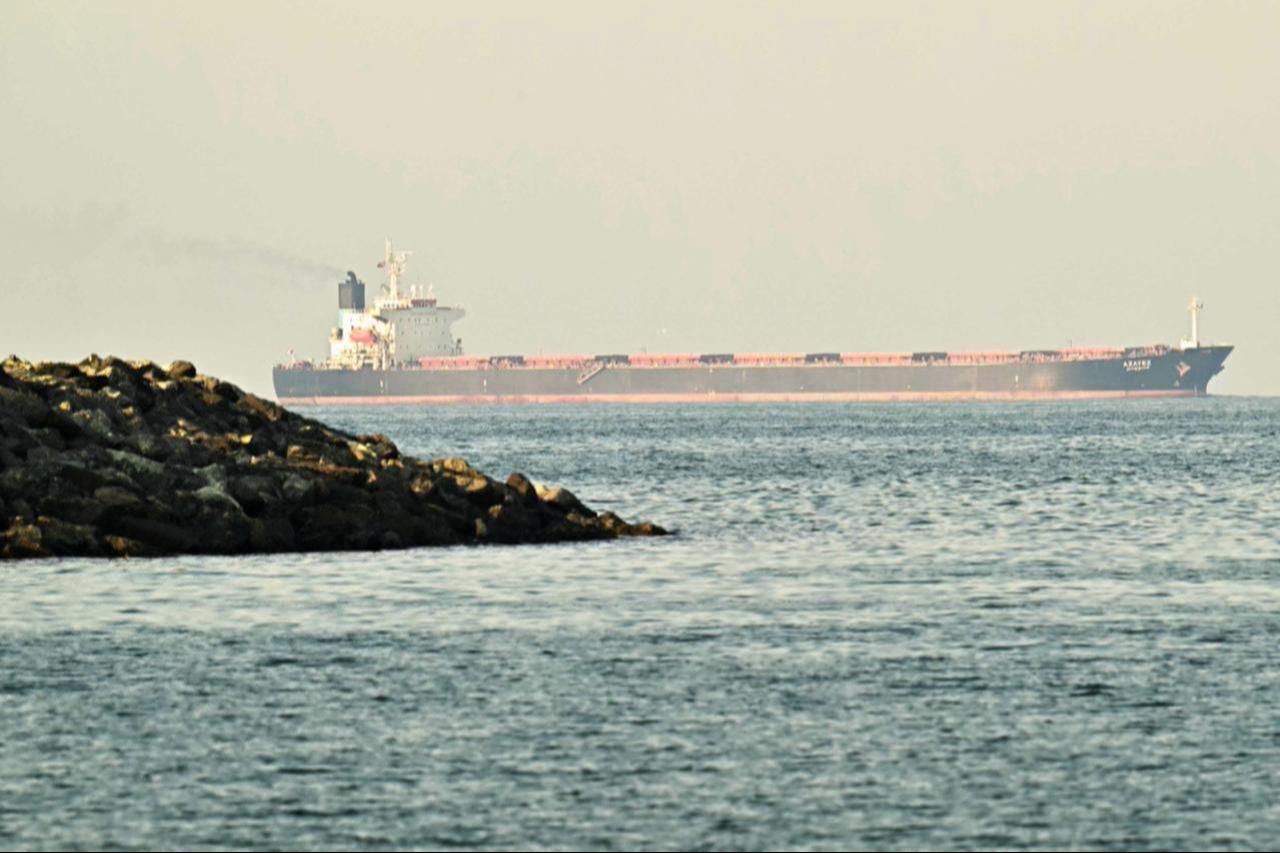

The Strait of Hormuz remains at the center of the Iran conflict, with U.S. President Donald Trump recently urging allies to support a naval coalition to secure the passage, but receiving limited backing from European countries including Germany, Spain, and Italy.
Iranian Foreign Minister Abbas Araghchi said the strait is still open to most vessels, while blaming recent disruptions on ongoing military actions by the United States and Israel.
In a call with U.N. Secretary-General Antonio Guterres, Araghchi said the instability in the region and the disruption to shipping are the result of what he described as violations of international law by the two countries, and urged the United Nations to condemn the actions and hold those responsible accountable.
"The situation in the Strait of Hormuz cannot be assessed in isolation from the broader regional developments," Araghchi said, adding that disruptions to maritime activity are a direct consequence of the conflict.


 Set as preferred source
 Set as preferred source


 1 min read
 1 min read