Newsletters




A key Iranian official said Tuesday that U.S. airstrikes cannot destroy Iran’s weapons facilities and warned that the Strait of Hormuz crisis is far from over, according to a CNN report.
In a televised interview, Parliament Speaker Mohammad Baqer Qalibaf said the strategic waterway remains under threat due to the U.S. and Israeli presence in the Gulf.
“The Strait of Hormuz cannot be the same as before and return to its previous conditions,” Qalibaf said.
He added that "there is no longer any security.”
Qalibaf said Iran has adapted its military systems following last year’s 12-day war, including changes to launcher designs.
“They think they can destroy our facilities with bombers, but they don’t know that our design has completely changed,” he said.
He reiterated that Iran would not surrender or yield to pressure.
“The face and order of the Middle East will change, but nothing that America wants will happen,” he said, adding that regional countries would establish their own “order and local security.”
Qalibaf also claimed that the “only goal” achieved by the United States and Israel was the killing of former Supreme Leader Ali Khamenei.
“But the system was not overthrown and the young Khamenei came to replace (him),” he added.

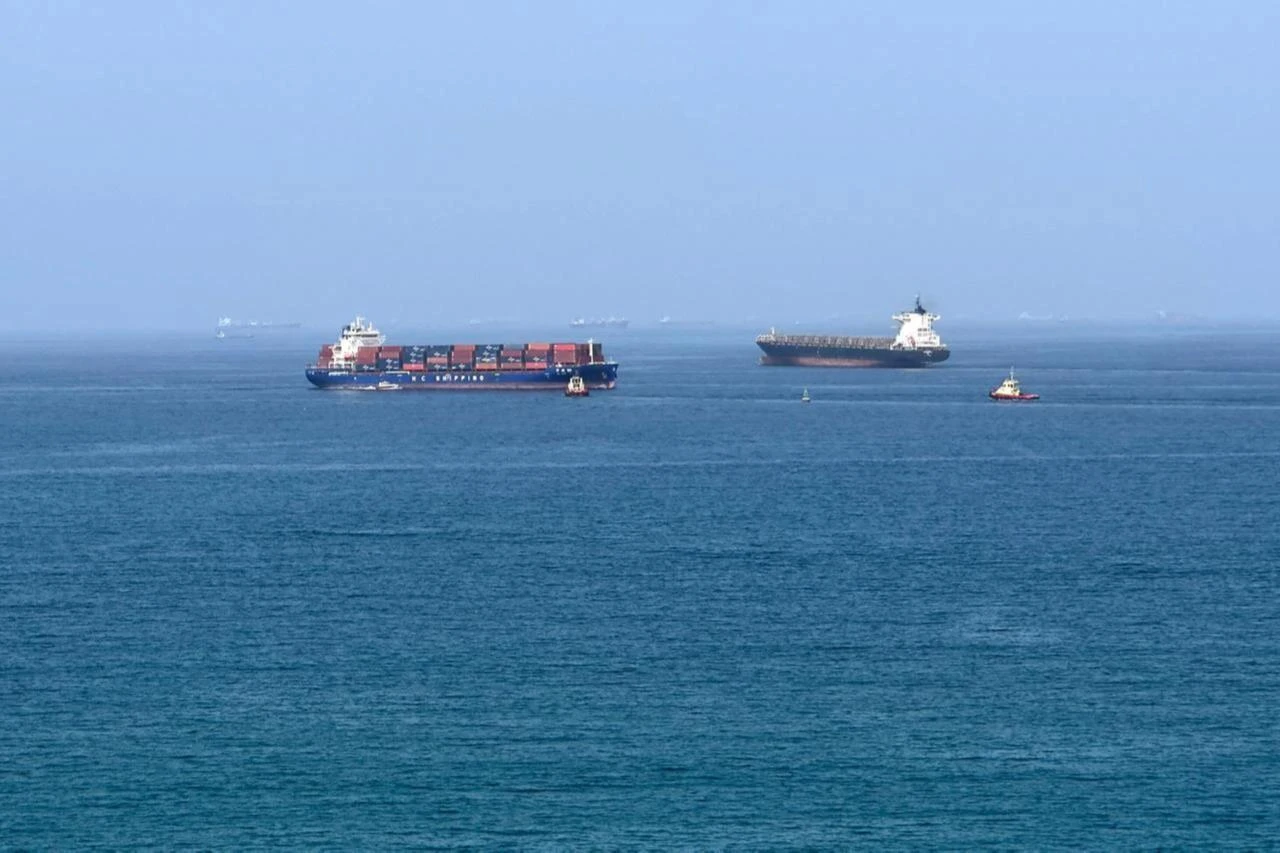
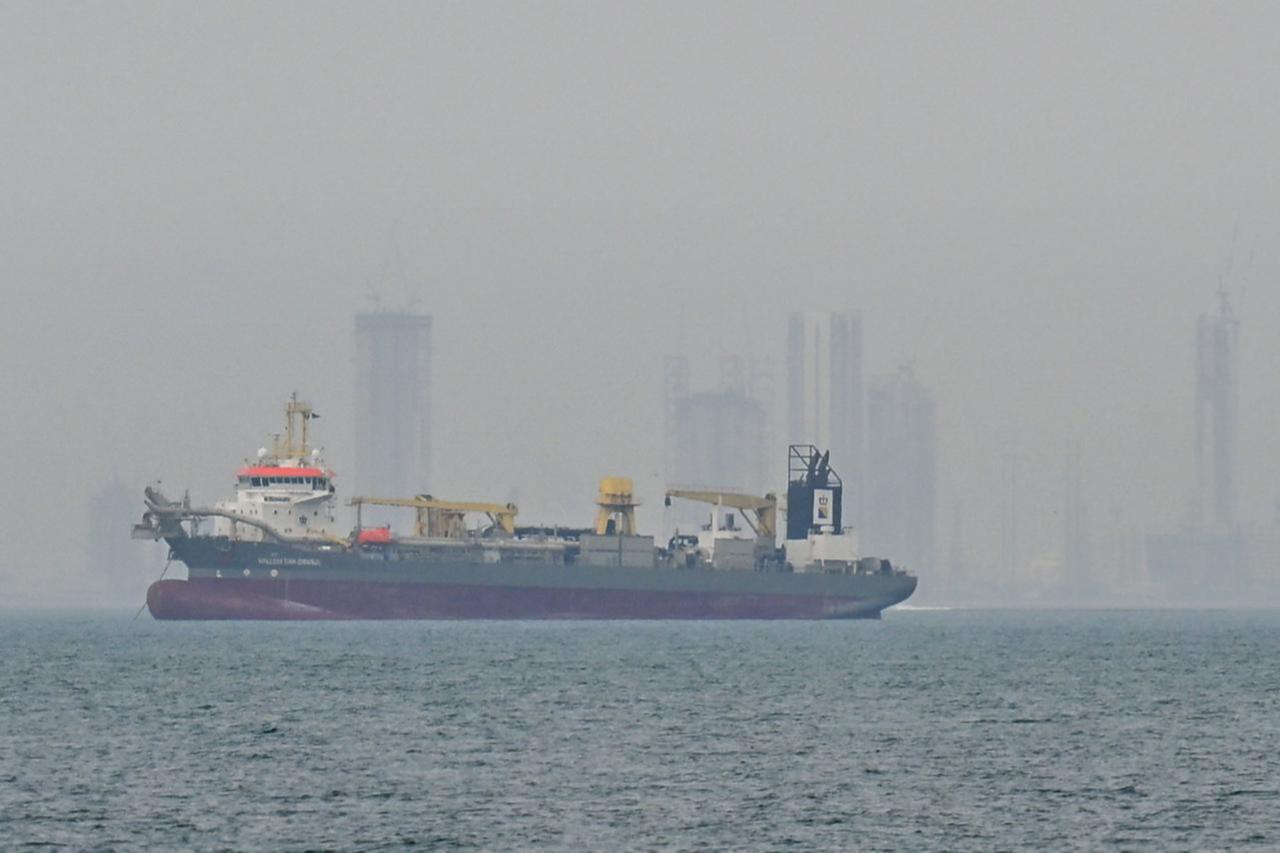
The Strait of Hormuz has been at the center of global energy concerns since Iran’s Islamic Revolutionary Guard Corps announced its closure to most vessels following U.S.-Israeli attacks that began on Feb. 28.
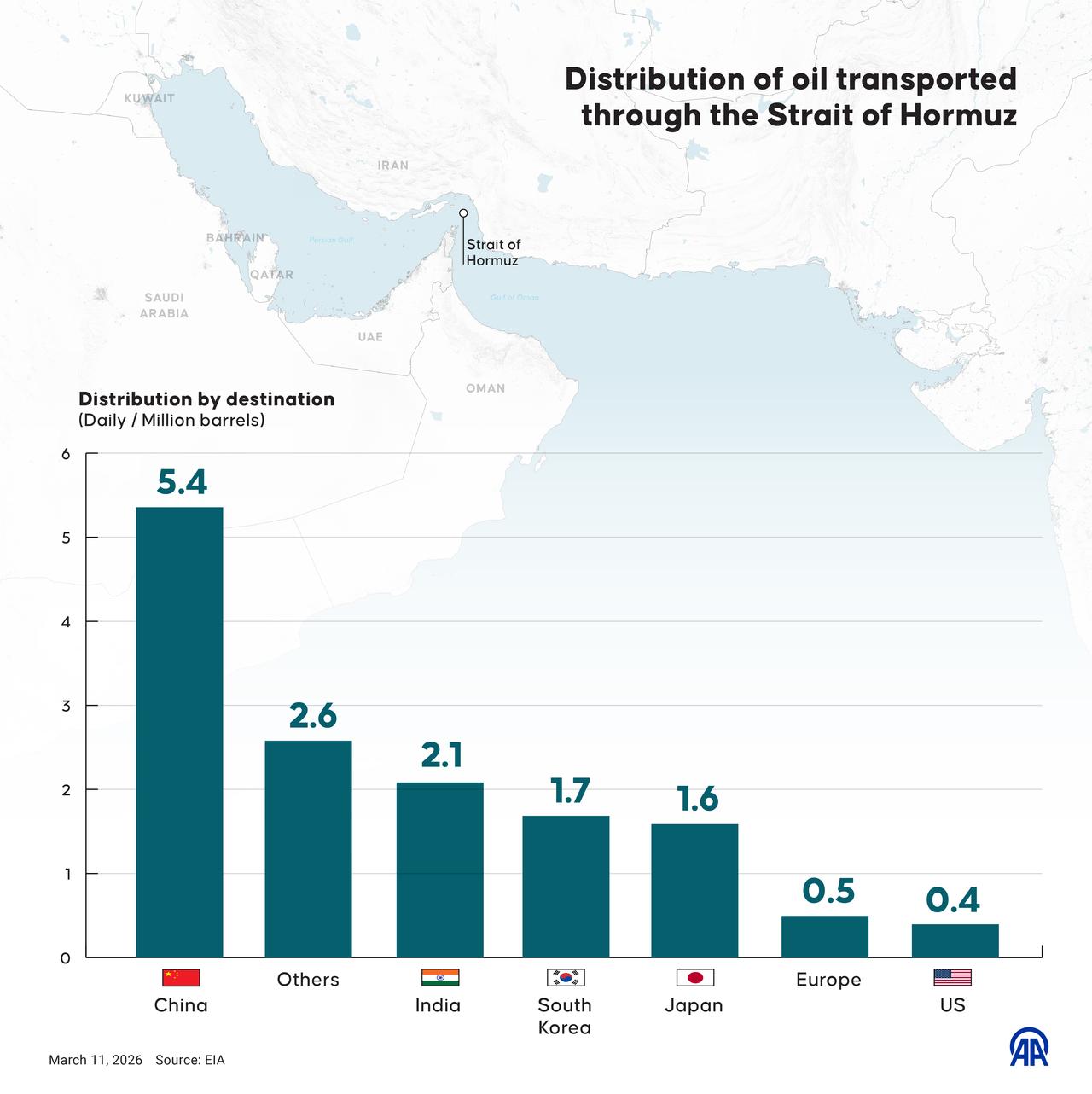
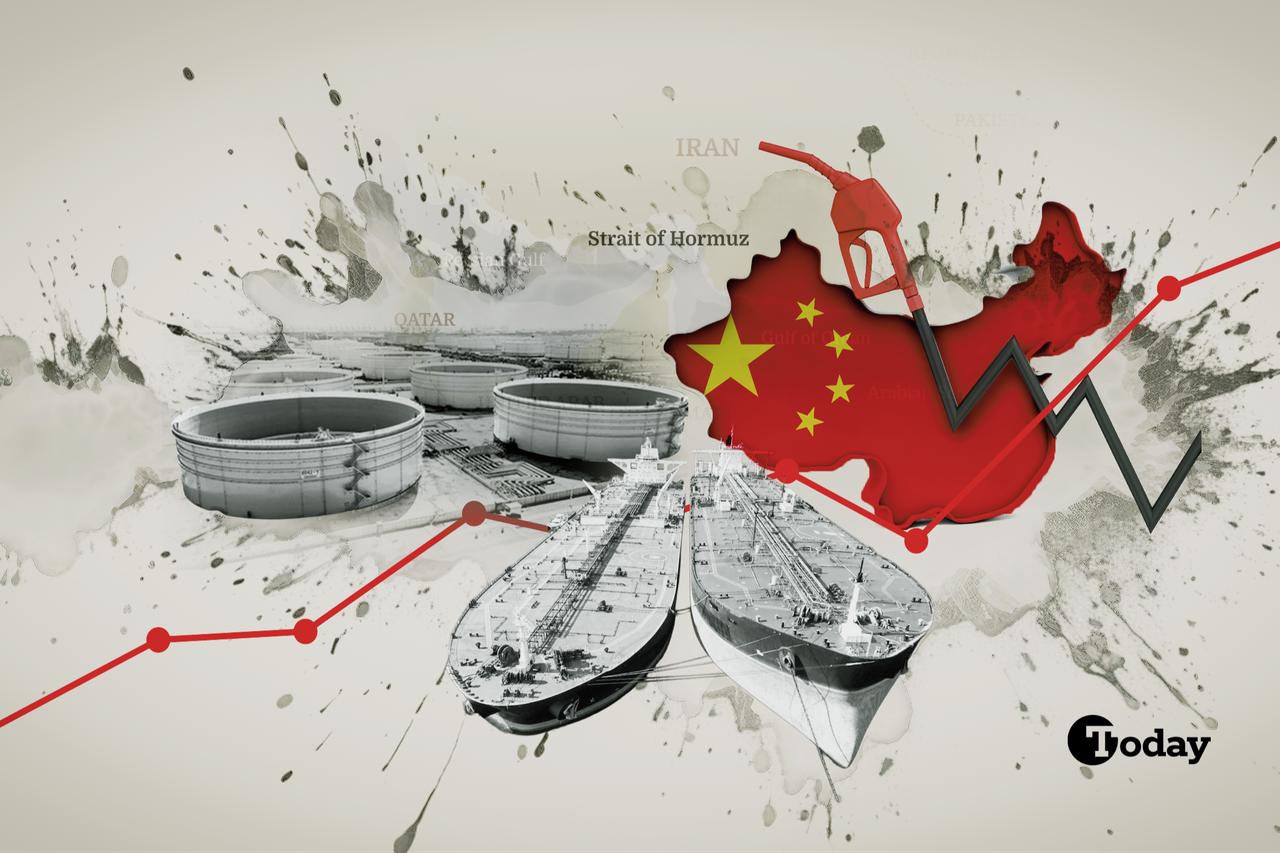
Before the conflict, about 20 million barrels of oil passed through the strait daily. Disruptions have driven global oil prices higher.
U.S.-Israeli attacks on Iran have killed more than 1,200 people, including then-Supreme Leader Ali Khamenei, according to Iranian authorities.
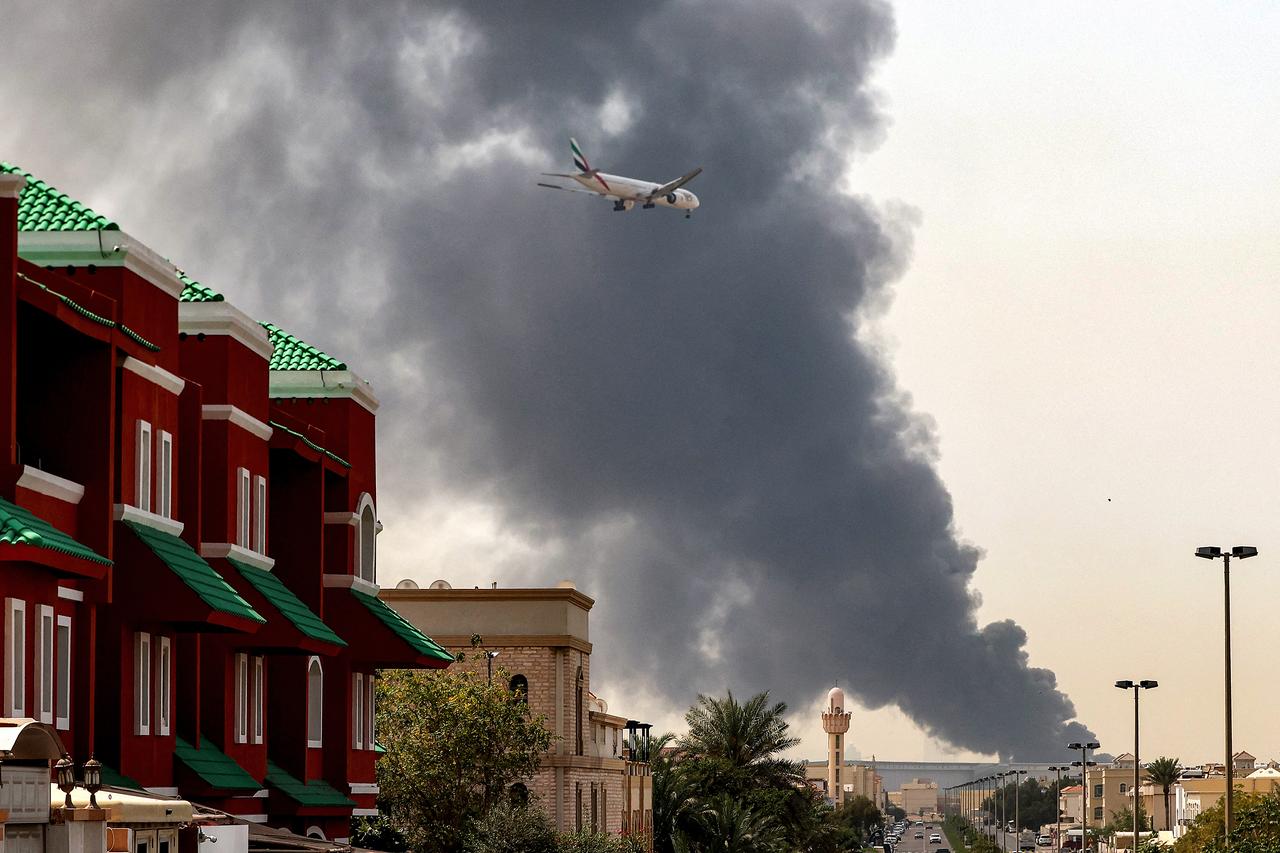
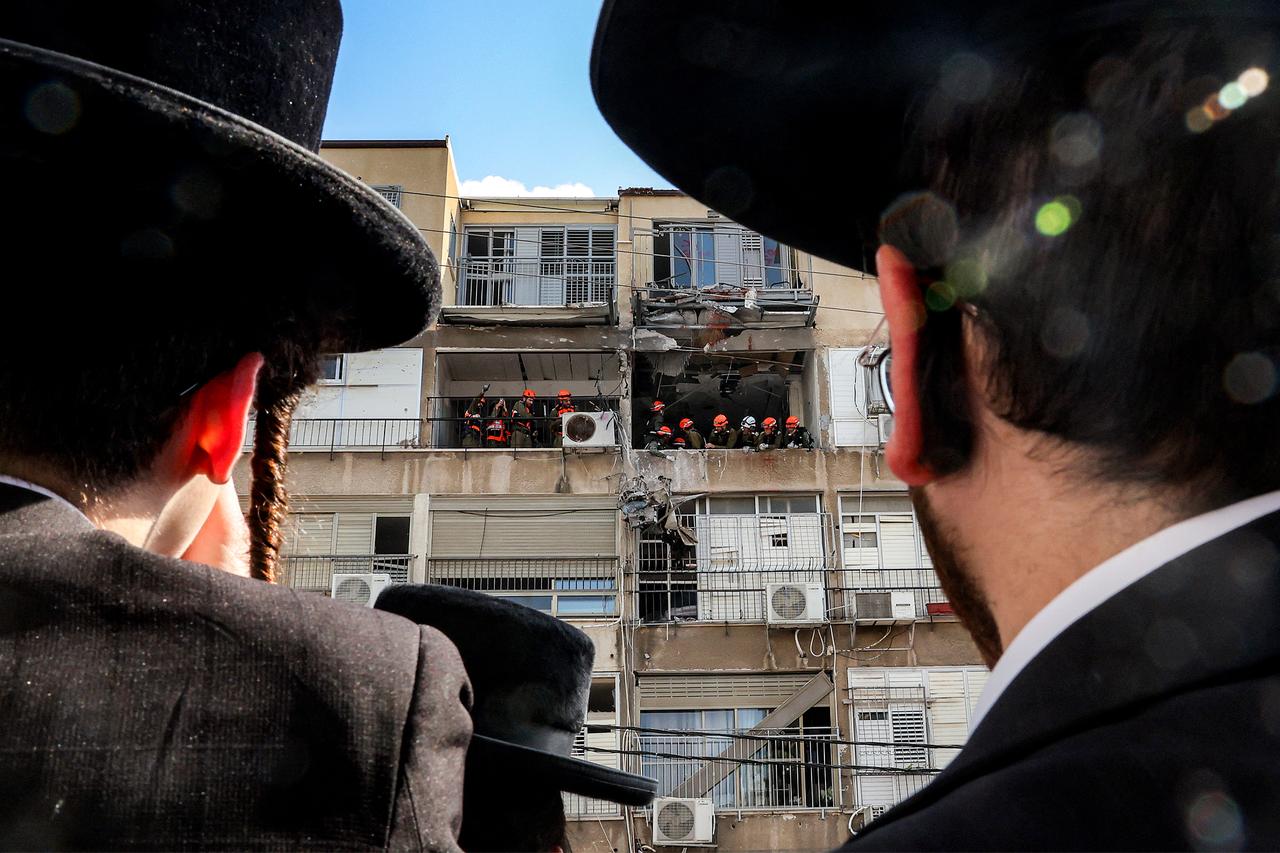
Iran has retaliated with drone and missile strikes targeting Israel, Jordan, Iraq and Gulf countries hosting U.S. military assets.
Meanwhile, U.S. President Donald Trump said Monday that “numerous countries” are preparing to help reopen the Strait of Hormuz, though he declined to name them.
“Numerous countries have told me they’re on the way. Some are very enthusiastic about it, and some are countries that we’ve helped for many, many years,” Trump said at a White House event.
“We strongly encourage other nations to get involved with us and get involved quickly and with great enthusiasm,” he added.
Trump said he had received commitments from several countries but avoided identifying them, citing security concerns.
“I would like to say their names, but frankly, I don’t know if they would want me to or not because they don’t want to be targeted,” he said.
 2 min read
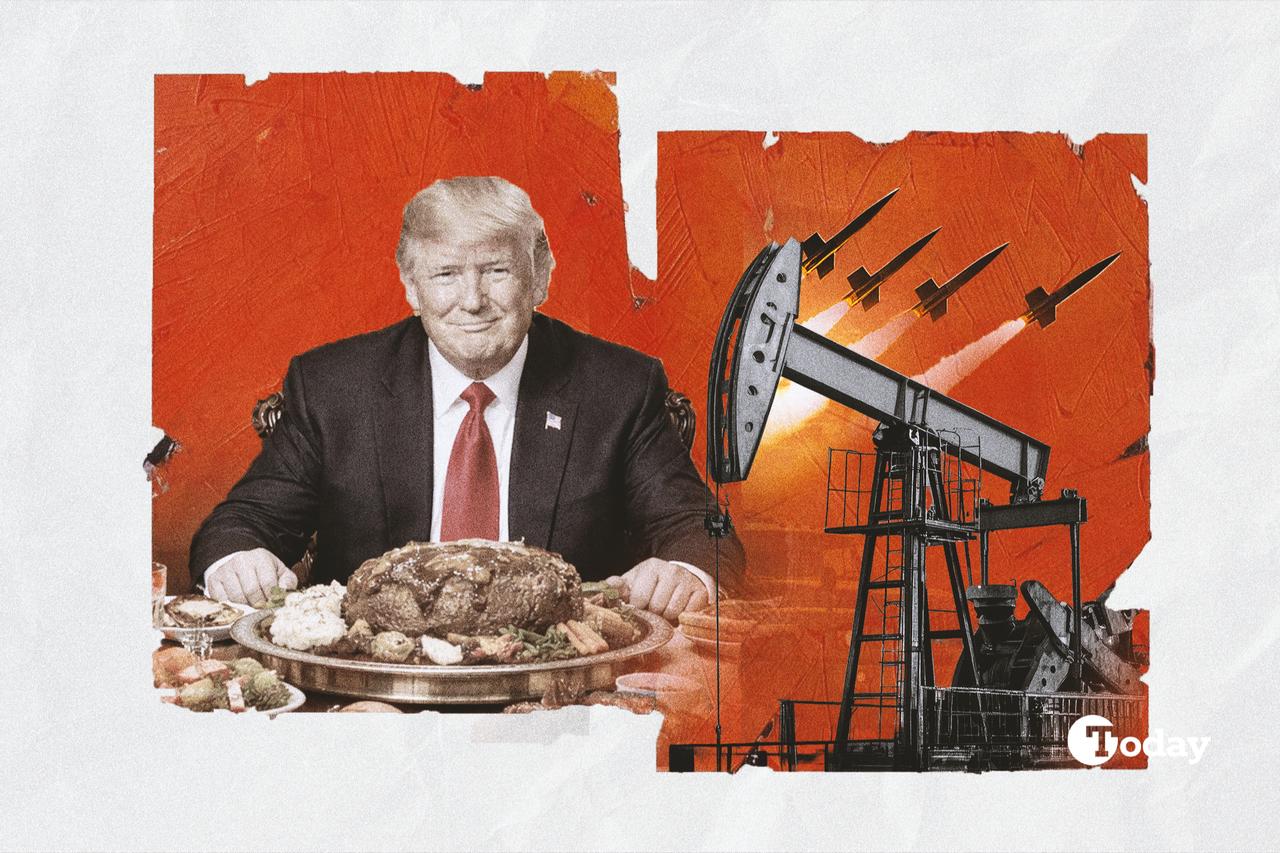
He noted that the United States imports less than 1% of its oil through the strait, while countries such as China, Japan, South Korea and European nations rely far more heavily on the route.
On Sunday, Trump called on China, France, Japan, South Korea and the United Kingdom to send warships to secure the waterway, though no country has publicly committed.
U.K. Prime Minister Keir Starmer said Monday that Britain “will not be drawn into a wider war,” stressing that any troop deployment must have a legal mandate.
Germany’s Foreign Minister Johann Wadephul also expressed caution, saying Berlin currently sees no NATO decision to take responsibility for securing the Strait of Hormuz.


 Set as preferred source
 Set as preferred source


 1 min read