Newsletters




OPEC+, the powerful oil cartel comprising some of the world's largest producers, agreed Sunday to lift production quotas for a second consecutive month, even as the ongoing conflict in the Middle East continues to destabilize global energy markets and choke off a critical shipping corridor.
The group's eight-member Voluntary Eight, or V8, bloc, which includes Saudi Arabia and Russia, voted to increase output by 206,000 barrels per day starting in May, matching the scale of last month's hike. The decision came with an unusually direct warning: damage to energy infrastructure is "costly and takes a long time" to repair, and any disruption, whether through attacks or blocked shipping lanes, increases market volatility and complicates the cartel's ability to manage global prices.
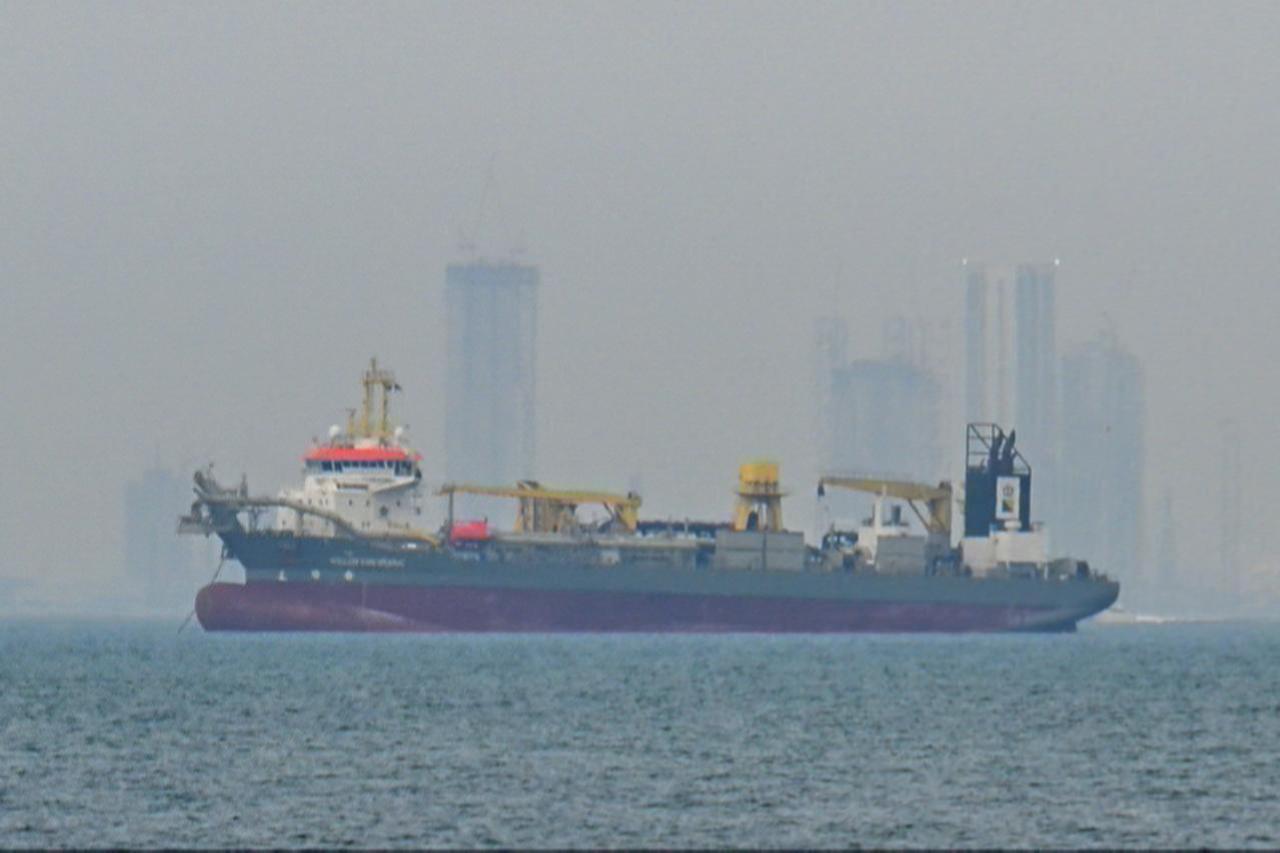
The production increase comes against a backdrop of deepening instability in the Persian Gulf. Iran has effectively halted commercial tanker traffic through the Strait of Hormuz, one of the world's most strategically vital energy chokepoints, by threatening to strike vessels that pass without its permission. Before the war, roughly a fifth of global oil and liquefied natural gas supplies moved through that narrow waterway each day.
The disruption has severely curtailed exports from Gulf member states, raising doubts about whether any increase in OPEC+ output quotas can translate into actual supply reaching global markets, even if member nations are able to ramp up production on their end.
The cartel's statement stopped short of naming Iran directly, but the language was unmistakable. OPEC+ stressed "the critical importance of safeguarding international maritime routes to ensure the uninterrupted flow of energy" and warned that attacks on infrastructure increase market volatility.
The United States and Israel began striking Iran on February 28. Tehran has since retaliated with strikes on targets across the region, hitting energy facilities in several neighboring countries, some of which are OPEC+ members. Gulf states including Saudi Arabia and the United Arab Emirates, both part of the V8 grouping, have been among the targets of Iranian airstrikes.
On a separate front, Ukraine has continued to strike Russian oil industry infrastructure as part of its effort to counter Moscow's ongoing invasion, further straining the cartel's largest member.
Despite the turbulence, the V8 communique acknowledged that some member nations had managed to find alternative export routes, crediting them with helping to reduce volatility. The eight-country bloc, which also includes Iraq, Kuwait, Kazakhstan, Algeria and Oman, has now carried out back-to-back monthly output increases of identical size, signaling a coordinated effort to stabilize prices even as geopolitical forces undermine those efforts at every turn.
The warnings embedded in Sunday's statement reflect a broader anxiety within the cartel: that the physical infrastructure and maritime access needed to move oil from wellhead to market are under sustained threat, and that production decisions alone cannot insulate the world from the consequences.


 Set as preferred source
 Set as preferred source



 1 min read