

 Newsletters


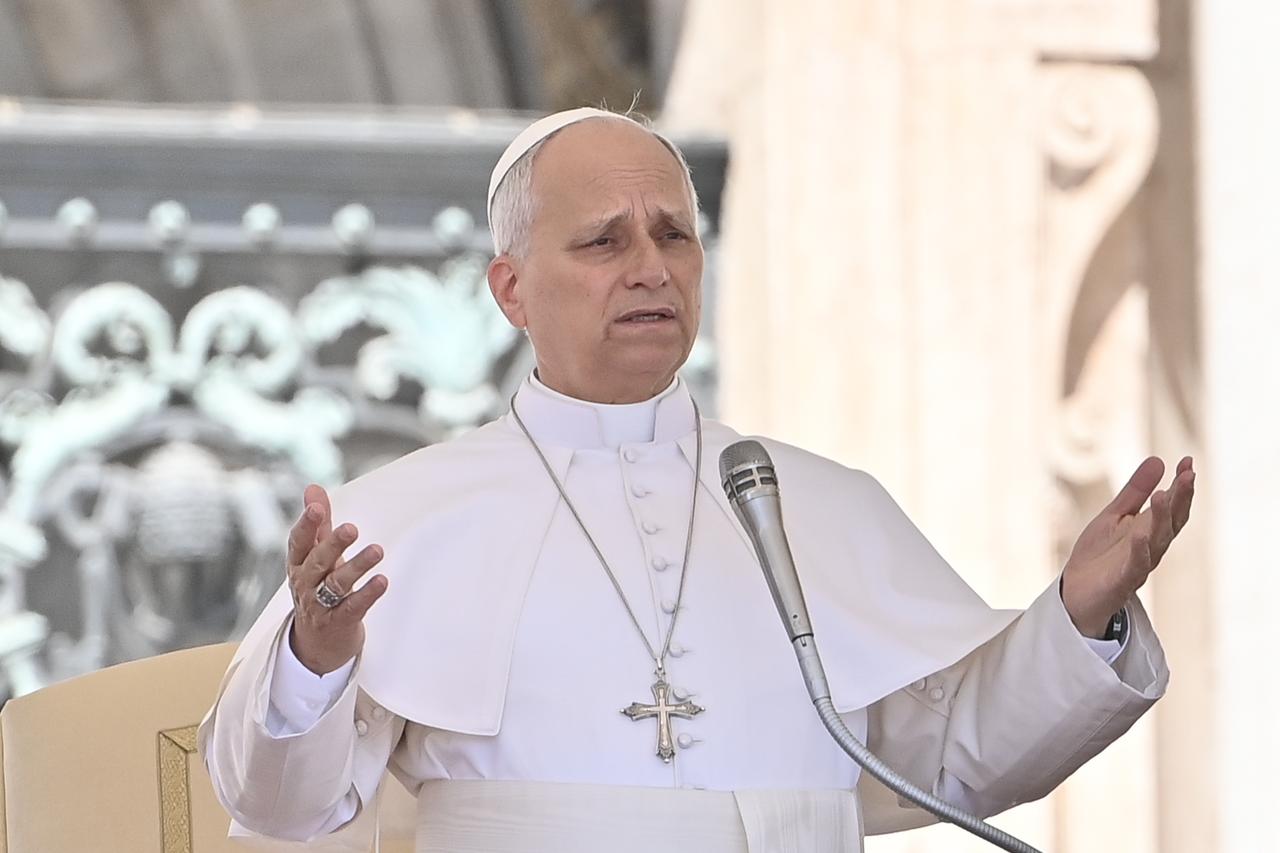


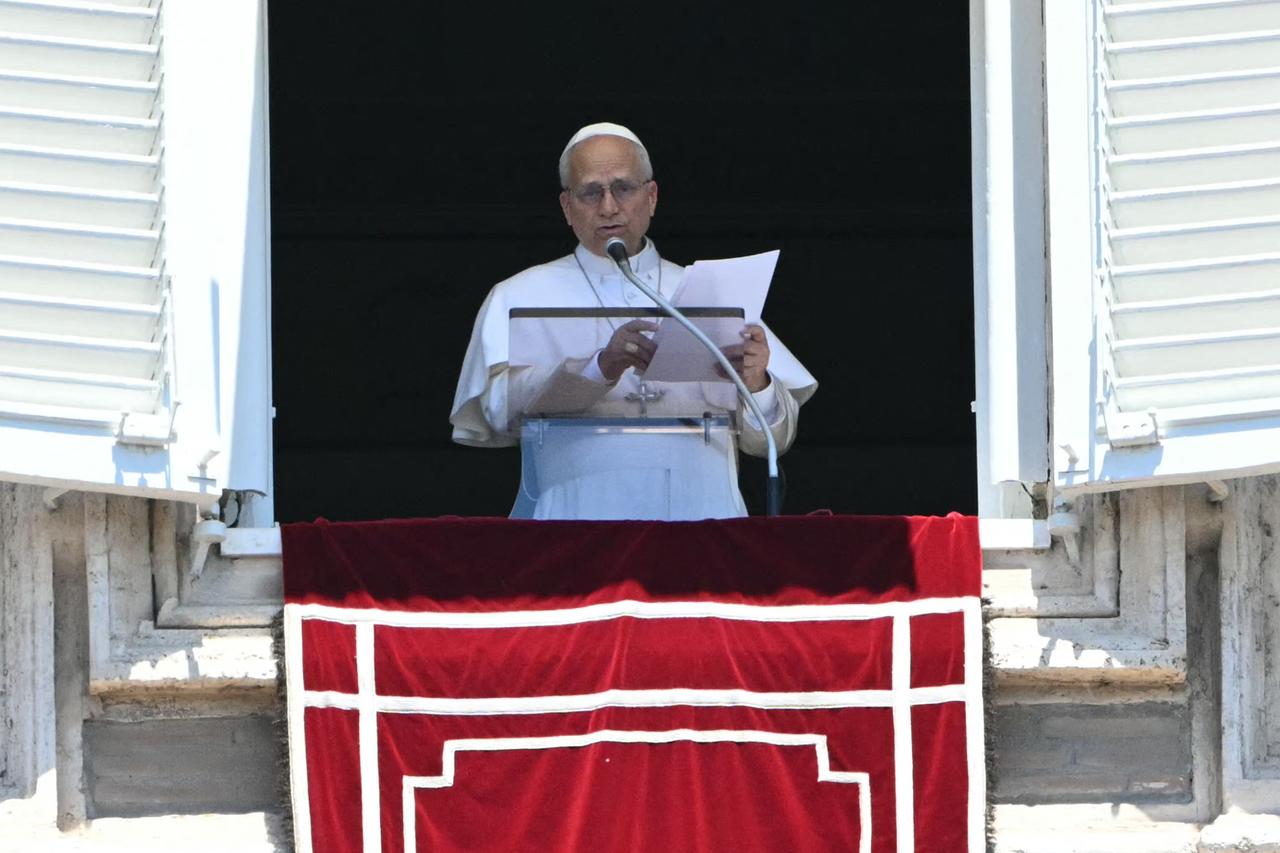
Pope Leo XIV has issued a sweeping encyclical on artificial intelligence, framing the technology as a moral challenge comparable to the upheaval caused by the Industrial Revolution and warning that decisions about AI's future must not be left solely to private corporations.
The 40,000-word document, "Magnifica Humanitas: On Safeguarding the Human Person in the Time of Artificial Intelligence," was released at the Vatican. Christopher Olah, co-founder of U.S. AI company Anthropic, stood alongside the pope during the presentation, drawing attention from both technology and religious communities.
The encyclical centers on a critique of the "technocratic paradigm," which holds that technological progress and efficiency should solely guide political and economic decisions. Pope Leo argues that technology is never neutral and inevitably reflects the interests of its designers, financiers, and controllers.
The document warns that AI may deepen inequality, concentrate power among a few companies and governments, spread disinformation, and undermine democracy. Pope Leo also criticizes the use of AI in military systems, stating that no algorithm can justify war, and cautions against autonomous weapons.
Regarding labor, the encyclical notes that AI may reduce burdensome work but also poses risks of large-scale job displacement and economic instability.
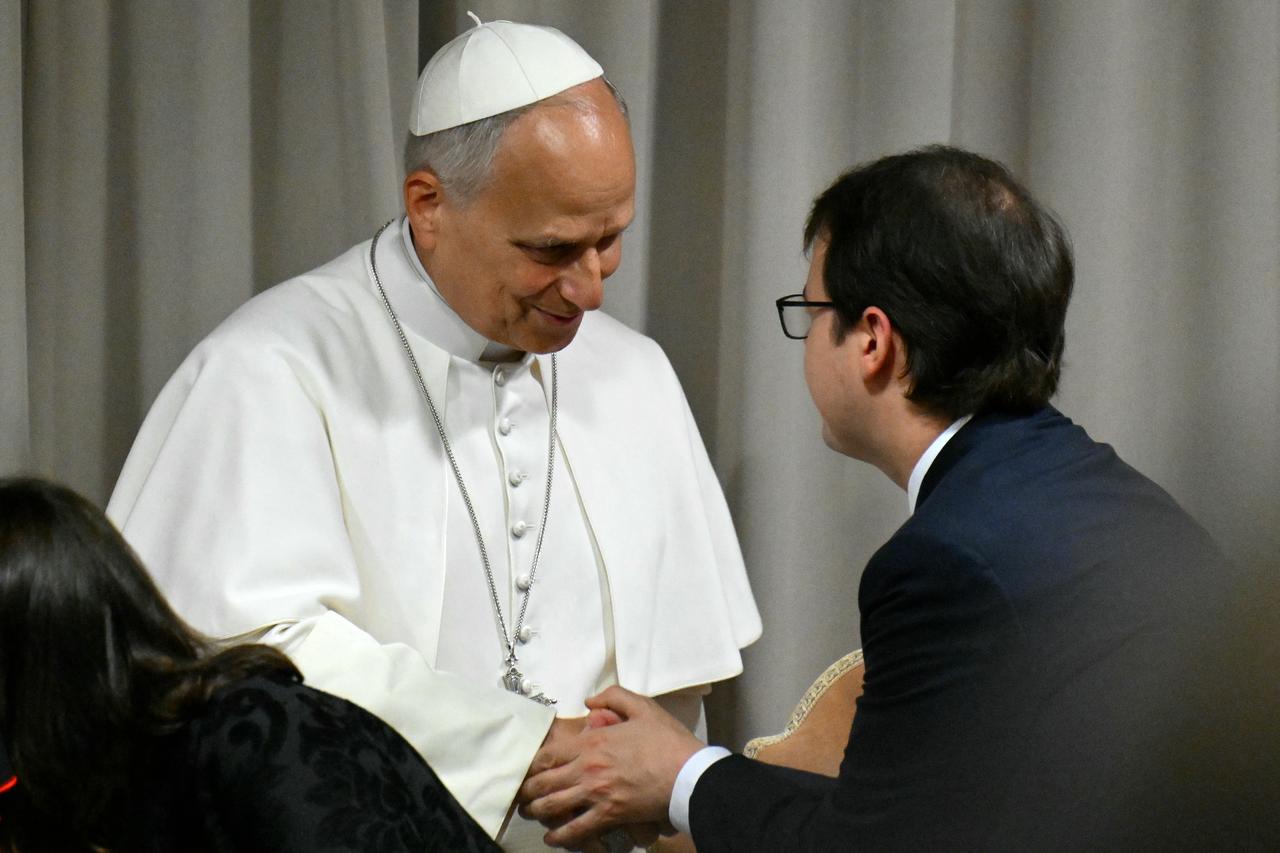

The Vatican's decision to feature Anthropic, rather than OpenAI, Meta, Google, or Elon Musk's xAI, was widely noted. Anthropic, developer of the Claude chatbot, has emphasized safety and ethics, and recently refused to allow its tools to be used for mass surveillance of U.S. citizens or autonomous weapons, following a dispute with the U.S. Defense Department.
At the Vatican, Olah stated that AI laboratories face incentives that may conflict with ethical decision-making and called for independent moral oversight to hold companies accountable. He described large-scale labor displacement from AI as a "moral imperative of historic proportions" and characterized the event as the start of ongoing collaboration.
A Vatican source told CNN that Anthropic's inclusion was "not an endorsement, prize, reward or canonization." However, analysts noted the symbolism was significant. Margaret O'Mara, a technology historian at the University of Washington, described the convergence of religion, politics, and Silicon Valley to The Washington Post as "weird uncharted territory," noting there is no historical precedent. O'Mara also suggested Anthropic may be aligning with the Vatican as public distrust of AI companies increases.
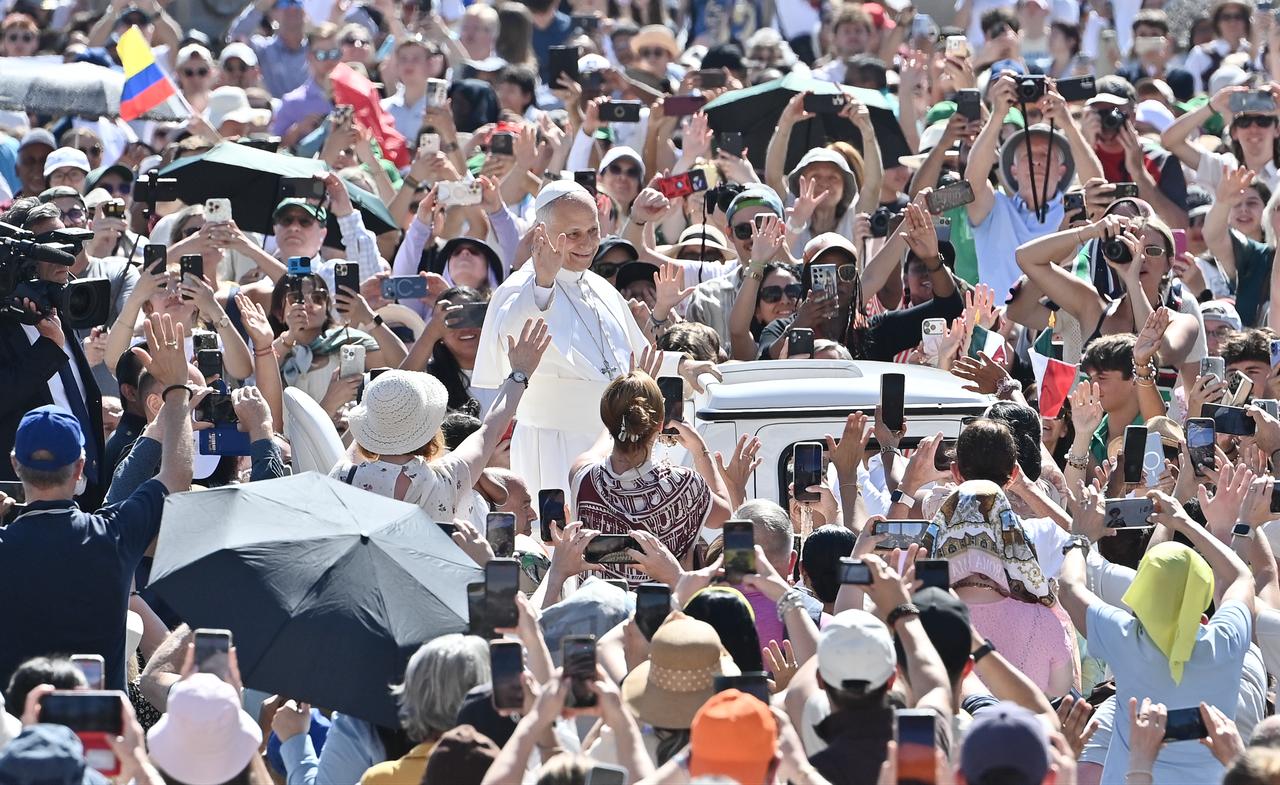
Pope Leo has often compared the current AI era to the Industrial Revolution, which transformed labor, wealth, and social structures in the 19th century. He chose his papal name in honor of Pope Leo XIII, whose 1891 encyclical Rerum Novarum addressed workers' rights and economic inequality during industrialization.
In Magnifica Humanitas, Pope Leo XIV argues that AI raises profound questions about human dignity, labor, and power. "A more moral AI is not enough if that morality is determined by a few," the encyclical states.
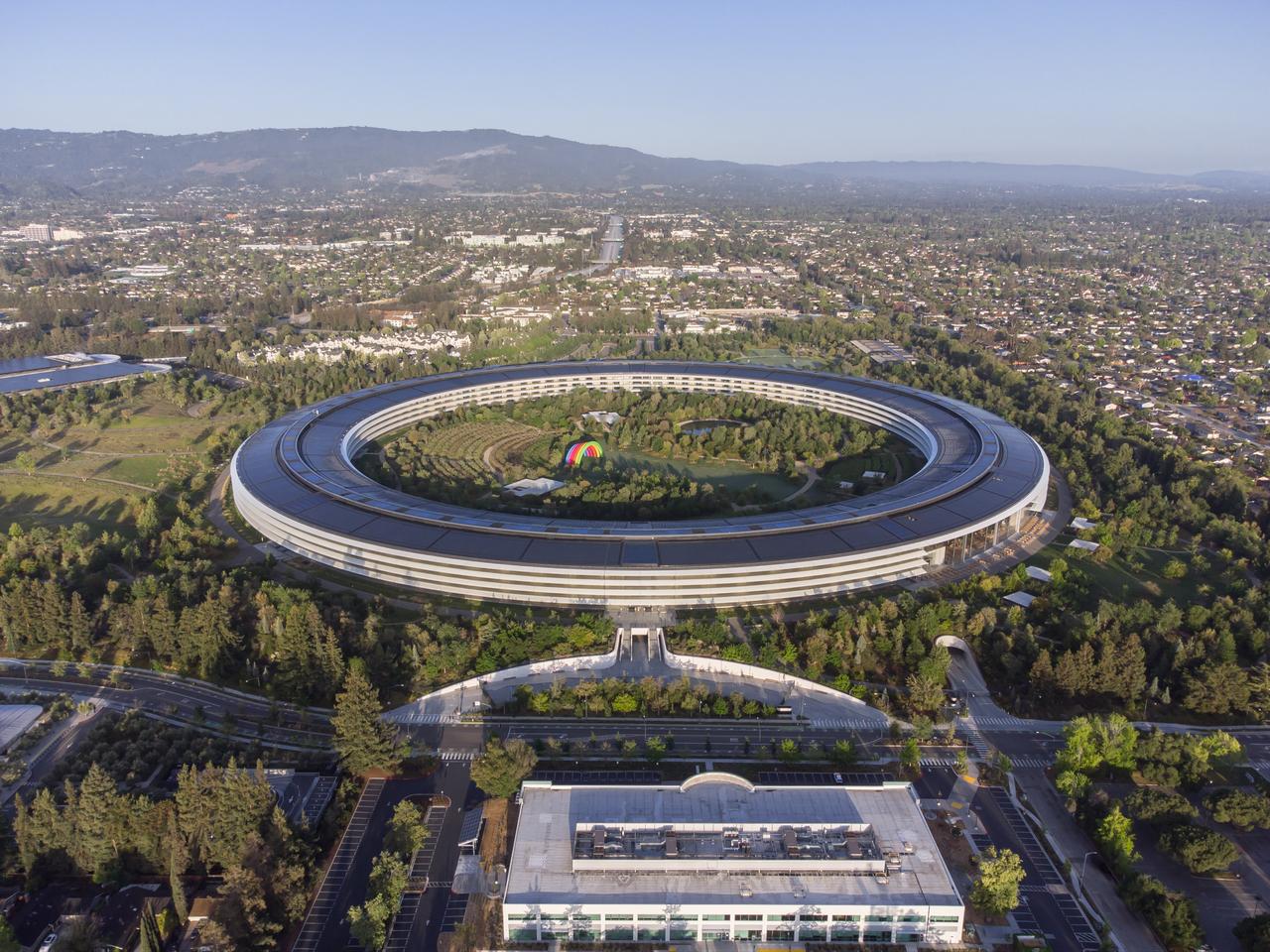
The encyclical is released amid increasing tension between the Vatican and the technology industry. Several Silicon Valley leaders have used near-religious language to describe AI's potential, presenting artificial general intelligence as a transformative or even transcendent event for humanity.
Venture capitalist Marc Andreessen mocked Pope Leo on social media after the pope warned last year that AI companies risk "totally ignoring the value of human beings" if development lacks moral responsibility. Separately, The Guardian reported that investor Peter Thiel expressed concerns about Pope Leo XIV in private lectures, describing him as a "woke American pope" and lamenting his potential influence over US Vice President JD Vance.
Whether the Vatican can significantly influence AI development remains uncertain. The Catholic Church represents nearly 1.4 billion people globally, and analysts note its unique ability to frame technological issues in ethical rather than economic terms.
Days before releasing the encyclical, Pope Leo approved the creation of an Interdicasterial Commission on Artificial Intelligence, with representatives from seven Vatican bodies, to coordinate future AI policy discussions. He has also discussed AI regulation with world leaders, including Spanish Prime Minister Pedro Sanchez.
Anna Rowlands, a theologian at Durham University who appeared with the pope at the encyclical's launch, described the document as an effort to resist "a culture of mere power."


 Set as preferred source
 Set as preferred source


 1 min read
 1 min read


