Newsletters


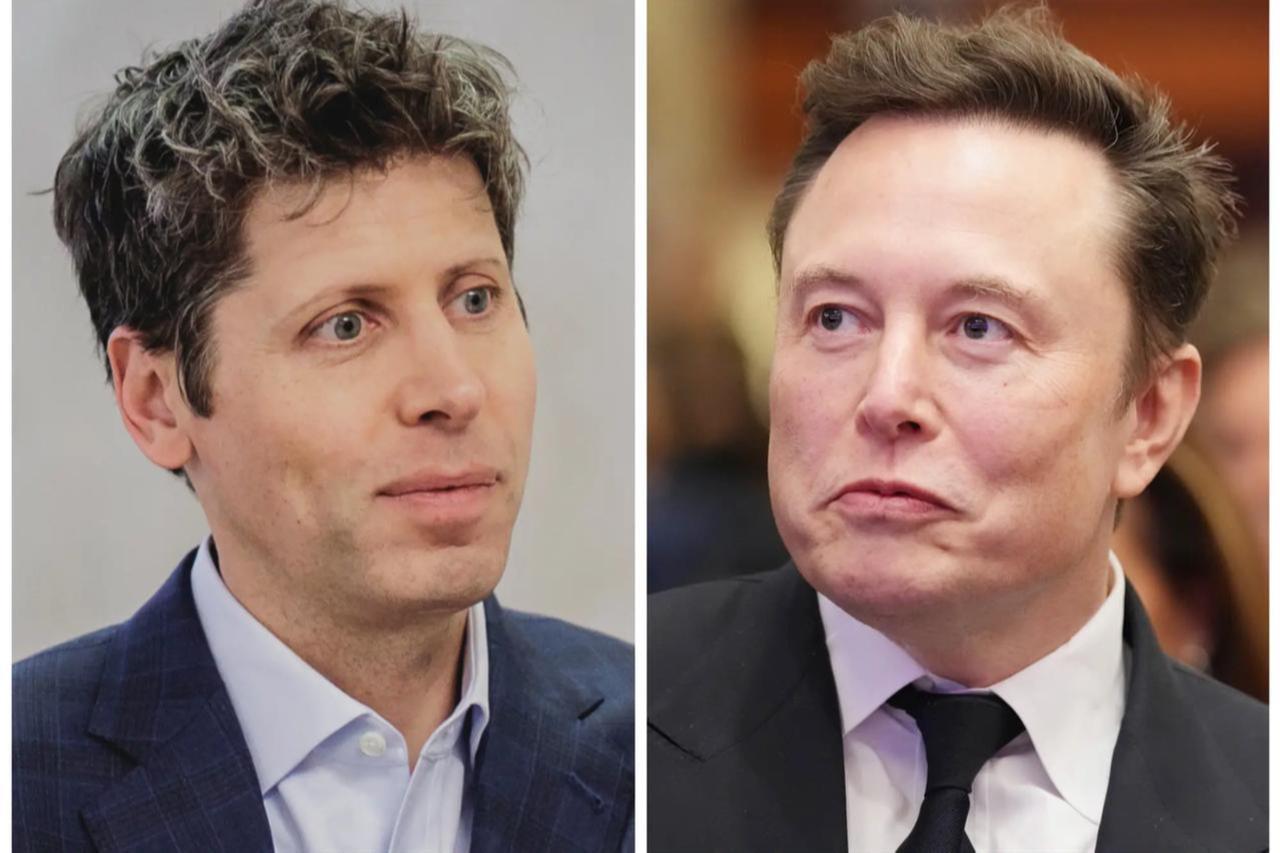


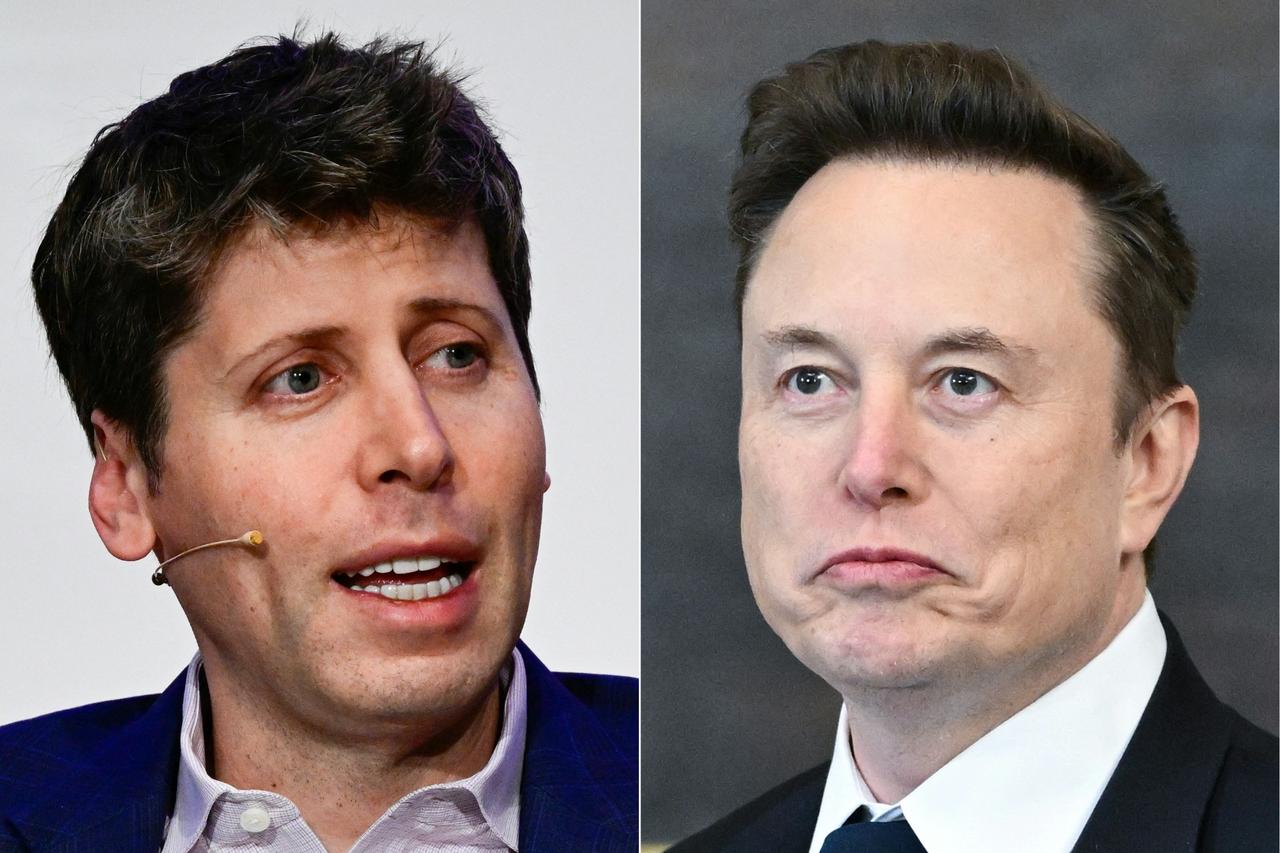
A federal jury in Oakland dealt Elon Musk a sweeping defeat Monday, finding that he had waited too long to sue OpenAI and its co-founders, handing the ChatGPT startup a decisive legal victory that clears the way for its planned initial public offering.
The verdict ends one of Silicon Valley's most closely watched courtroom battles after a three-week trial featuring testimony from some of the technology industry's biggest names. The jury found that Musk's claims against OpenAI CEO Sam Altman, President Greg Brockman, The OpenAI Foundation and Microsoft were barred by statutes of limitations, meaning jurors never reached the underlying substance of his allegations.
Judge Yvonne Gonzalez Rogers, who had asked the jury to advise her on the matter, accepted and confirmed the decision.

The ruling spares OpenAI from what could have been an existential legal threat. Had Musk prevailed, he sought to force the company to revert to its original nonprofit structure, a move that would have unraveled its planned IPO and potentially severed ties with major investors including Microsoft, Amazon and SoftBank.
Musk, the world's richest person, sued OpenAI in 2024 over its transformation from a nonprofit research organization into a company now valued at roughly $850 billion. He argued that Altman and Brockman had improperly used a $38 million donation he made on the condition that OpenAI would remain devoted to developing artificial intelligence for the broad benefit of humanity.
The threshold legal question, however, proved fatal to his case. Because Musk filed suit four years after his last contribution to the organization, the jury concluded he had missed the statutory deadline, ending the proceedings before his core arguments could be weighed on the merits.
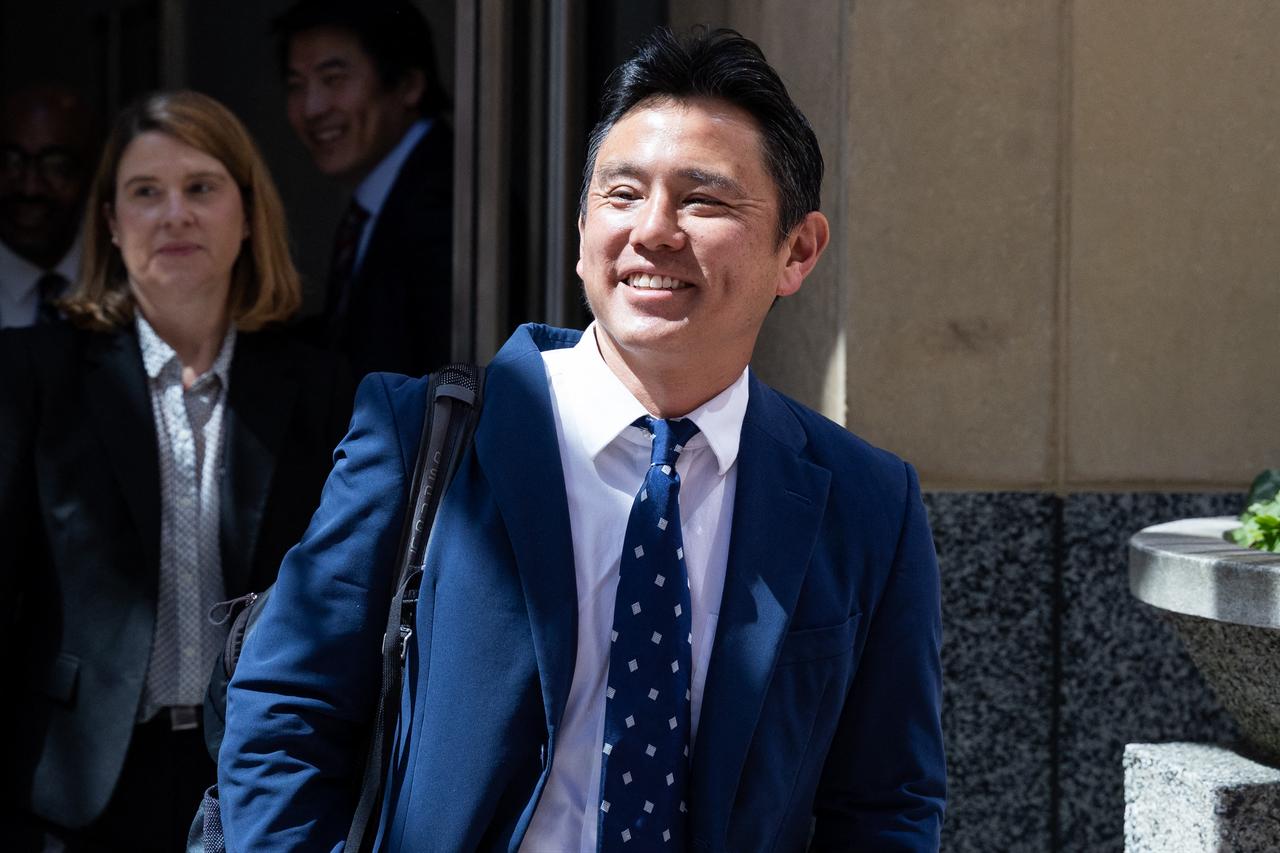
Outside the courthouse, OpenAI's attorneys were unsparing. "The finding of the jury confirms that this lawsuit was a hypocritical attempt to sabotage a competitor," said OpenAI attorney William Savitt. He added that while Musk was entitled to bring his claims and tell his stories, the nine jurors determined those stories were just that, and not facts.
Musk's legal team signaled the fight is not over. "This is by no means over in our view," attorney Marc Toberoff told CNBC, indicating plans to appeal.
Over three weeks of testimony, the trial became as much a referendum on personal character as on corporate governance. Proceedings centered heavily on Altman's conduct and his behind-the-scenes relationships with colleagues, many of whom have since departed the company. OpenAI's attorneys, in turn, challenged Musk's account of the company's founding years and scrutinized testimony from Shivon Zilis, a business associate who has four children with Musk and served as an intermediary between the executives.
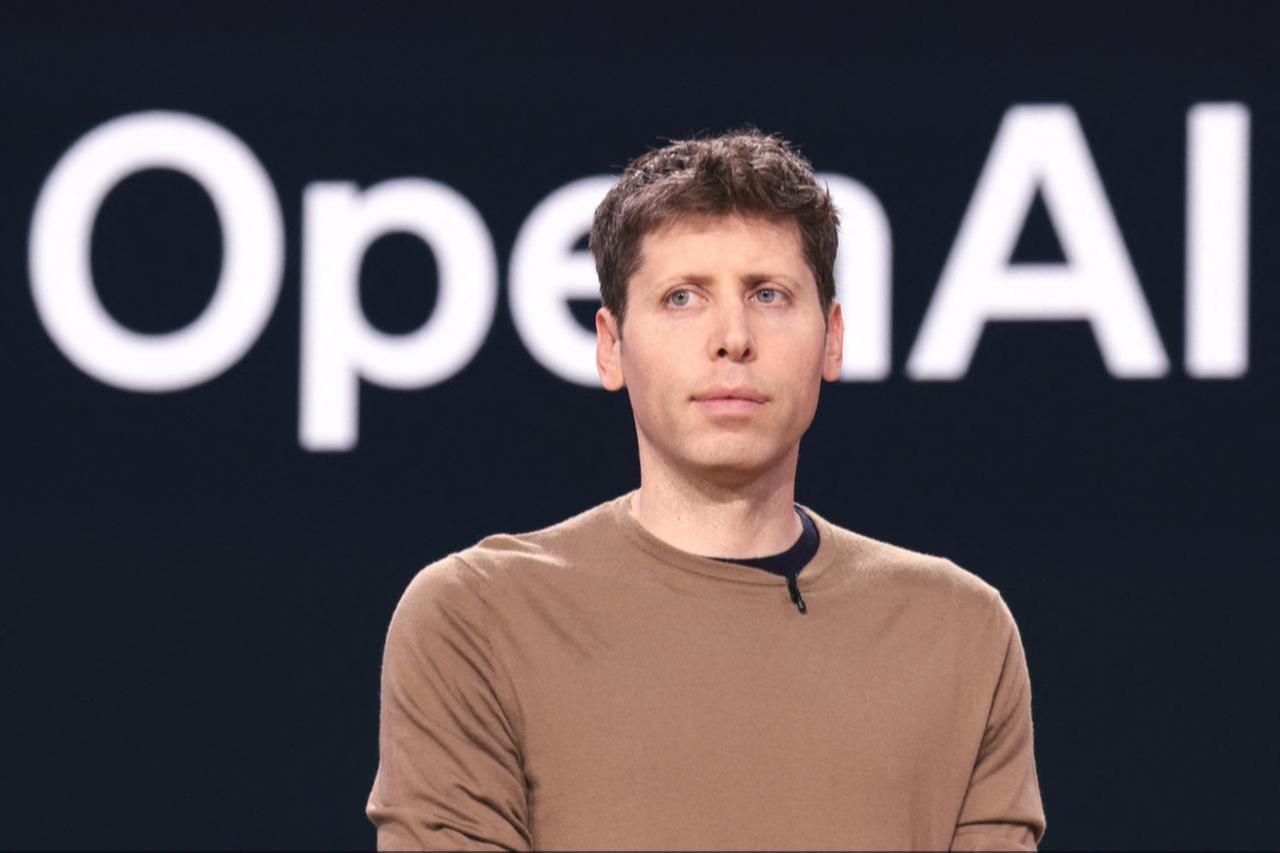
Altman, who was briefly fired by OpenAI's board in November 2023 over candor concerns before being reinstated under pressure from employees, emerged from the proceedings with questions about his management style unresolved but legally unscathed. Microsoft, OpenAI's largest backer with $13 billion committed, was also cleared.
Wall Street observers viewed the outcome as a significant milestone for OpenAI's commercial ambitions. "This is an important victory for Altman and OpenAI and clears the path for an IPO by removing this black cloud," said Dan Ives of Wedbush Securities. He characterized the lawsuit as noise that ultimately amounted to "more of a soap opera than a long-term negative for OpenAI."
OpenAI has been navigating a broader corporate restructuring that would shift control away from its nonprofit parent, a process that has attracted scrutiny from state attorneys general and rival legal challenges. Monday's verdict removes one significant obstacle from that path.


 Set as preferred source
 Set as preferred source


 1 min read
 1 min read