Newsletters


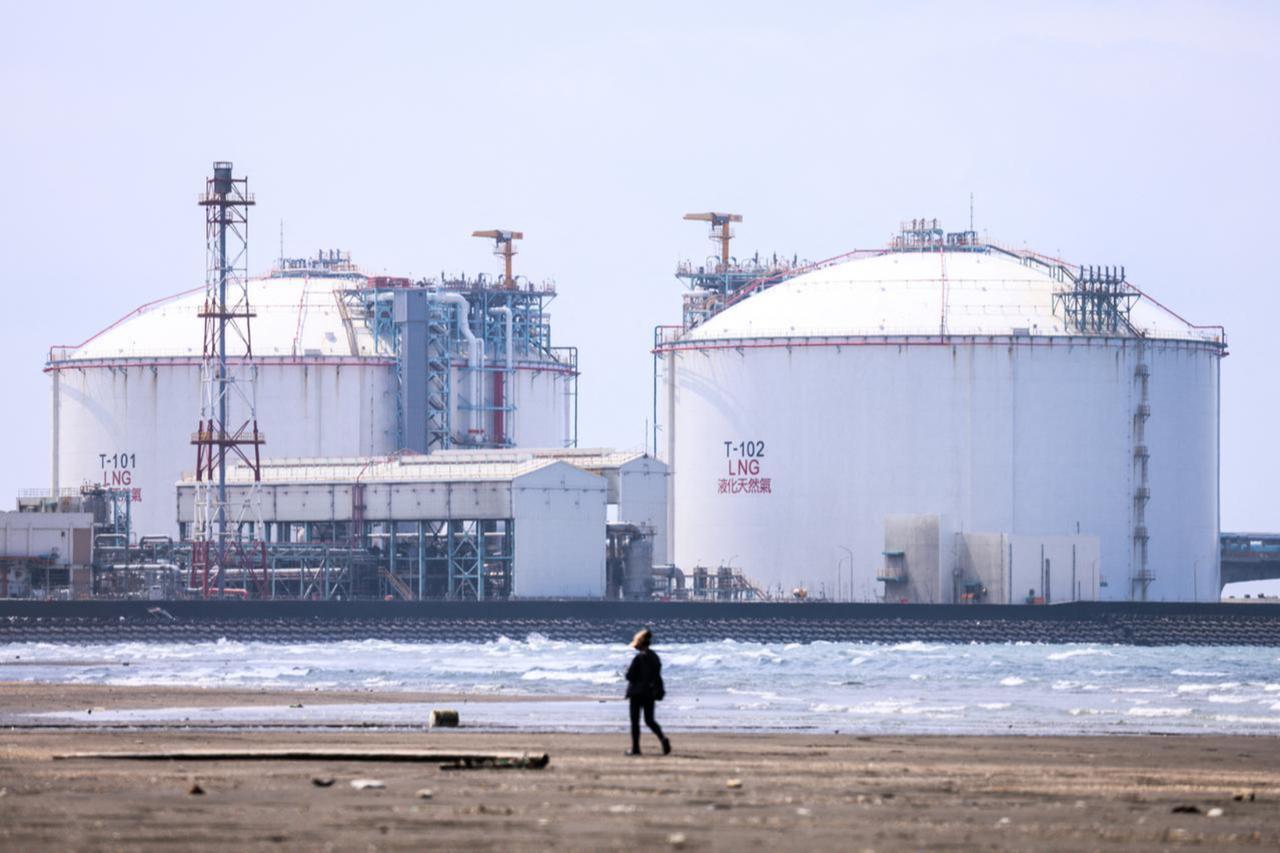


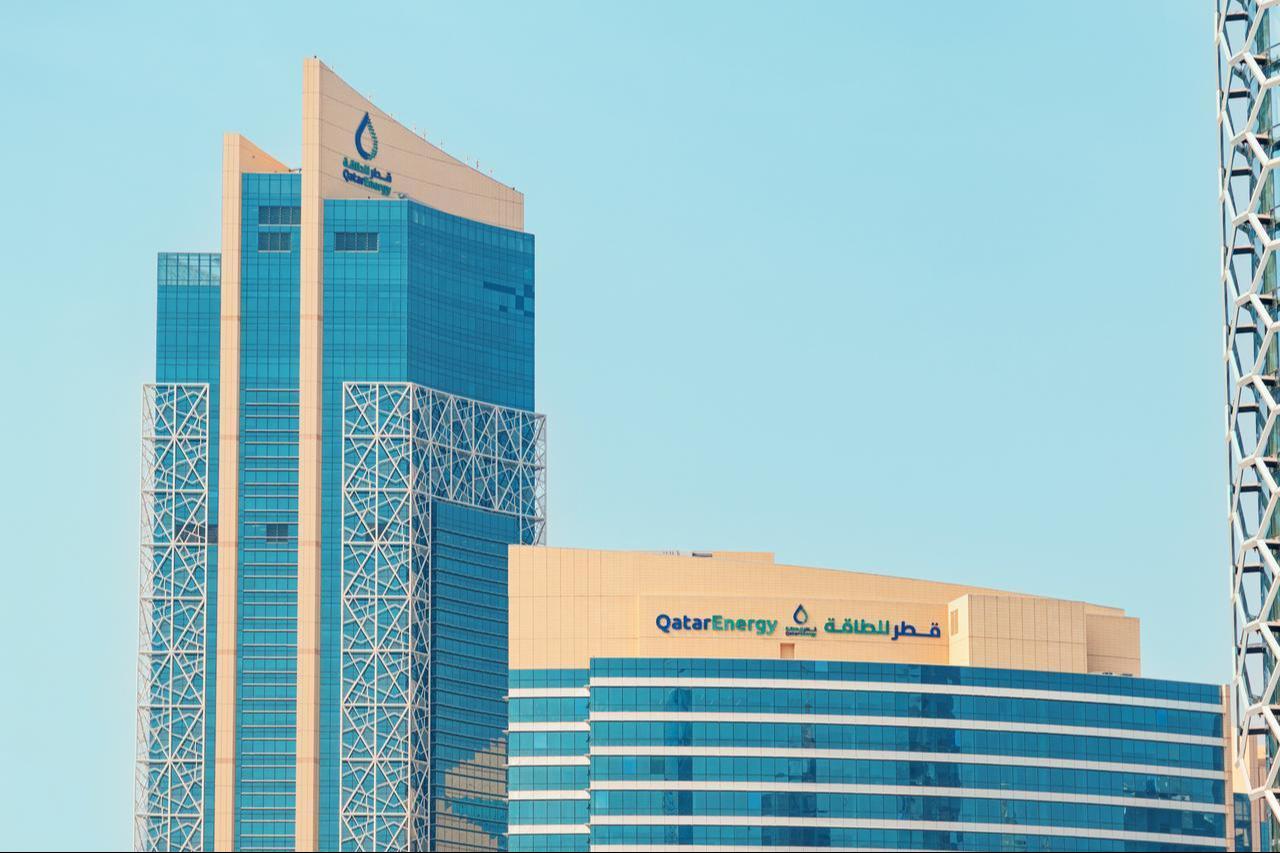
Qatar plans to rapidly increase liquefied natural gas production once safe passage through the Strait of Hormuz is restored, aiming to recover about half of its export capacity within one month and roughly 80% within two months, according to people familiar with the plans.
QatarEnergy, which operates the country’s LNG facilities, has informed buyers about the expected production schedule, the people said, speaking on condition of anonymity because they were not authorized to discuss the matter publicly.
The remaining capacity, equal to two production trains, could take years to restore because of damage caused by Iranian missile strikes in March, they said.
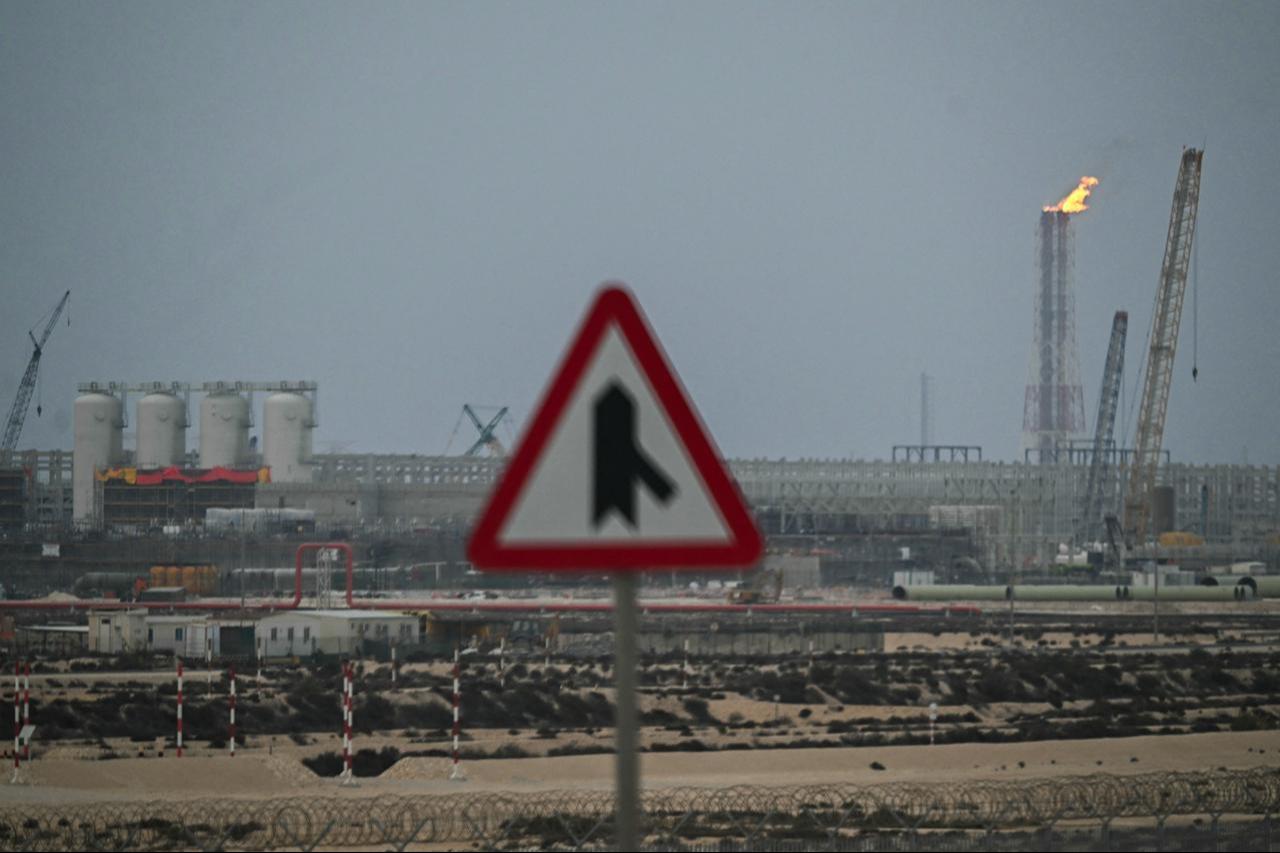

QatarEnergy expects to raise LNG output to about 50% of capacity one month after safe shipping resumes through the Strait of Hormuz.
Production could increase to around 80% of capacity within two months, according to the people familiar with the plans.
The restart timetable is faster than some analysts and traders had expected.
However, two damaged production trains are not expected to return quickly and may require years of repairs before the facility can regain full capacity.
Qatar shut the world’s largest LNG facility during the first week of the war following an Iranian attack.
The shutdown led to cargo cancellations and damaged Qatar’s long-standing reputation as a reliable LNG supplier.
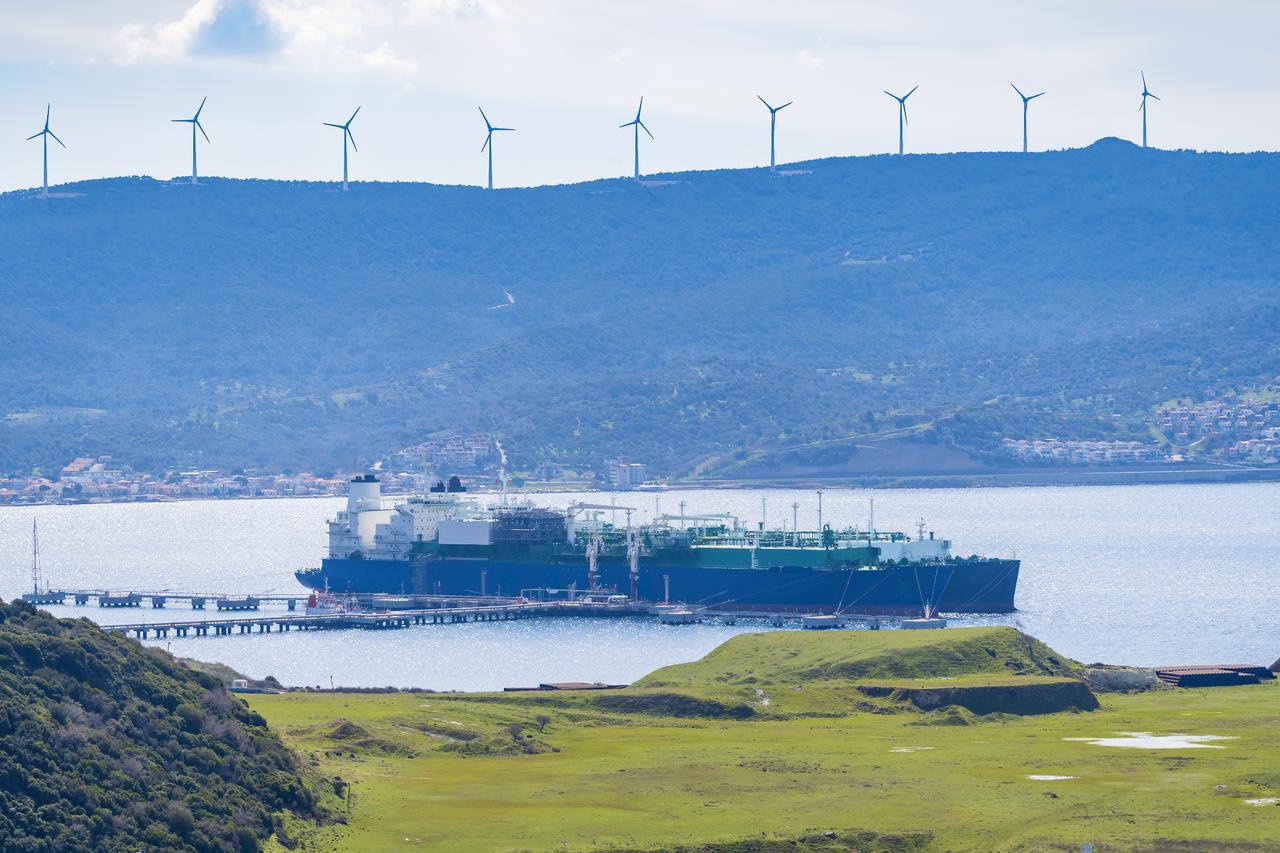
The Ras Laffan complex, which accounted for nearly one-fifth of global LNG exports last year, has remained largely idle for more than three months.
The effective closure of the Strait of Hormuz made it difficult to move large volumes of gas from the Persian Gulf to overseas buyers.
Qatar began laying the groundwork for a restart in April.
QatarEnergy has tested equipment and carried out maintenance needed to raise production once shipping conditions improve.
Several production trains have continued operating at reduced capacity, allowing Qatar to supply neighboring countries while keeping the facilities ready to increase output when necessary.
The preparations are intended to allow the company to restart production quickly once safe passage through the strait is confirmed.
U.S. President Donald Trump has repeatedly said the Strait of Hormuz would reopen by Friday, when an interim agreement with Iran is expected to be signed in Switzerland.
European allies have been less confident about that timetable.
A senior U.S. official has said naval mines would still need to be removed from the waterway.
Shipowners, energy traders and producers have been seeking greater clarity about when the route will be considered safe for regular commercial traffic.
The resumption of LNG exports from Qatar could help ease tight global supplies.
Despite the preliminary U.S.-Iran peace agreement, LNG prices in Europe and Asia remain above their prewar levels.
Qatar has managed to send a limited number of cargoes from the Persian Gulf to Asian buyers by concealing the locations of its tankers as a security measure.
Those deliveries, however, remain far below normal export levels.
A broader production restart would depend on the safe and sustained reopening of the Strait of Hormuz.
Restoring about half of production within one month and roughly 80% within two months would return a significant share of Qatari supply to the market, while the two damaged trains would remain unavailable for a much longer period.


 Set as preferred source
 Set as preferred source


 1 min read
 1 min read