Newsletters


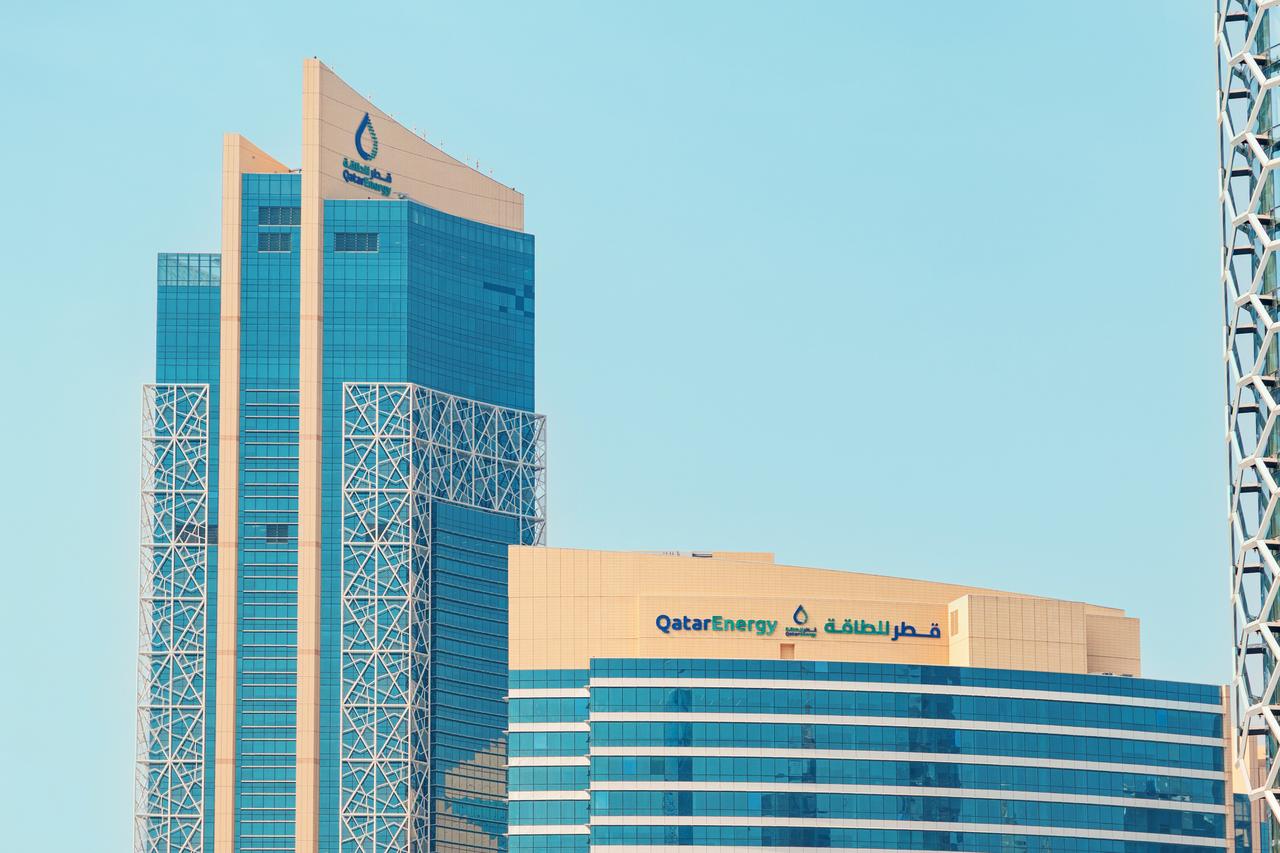


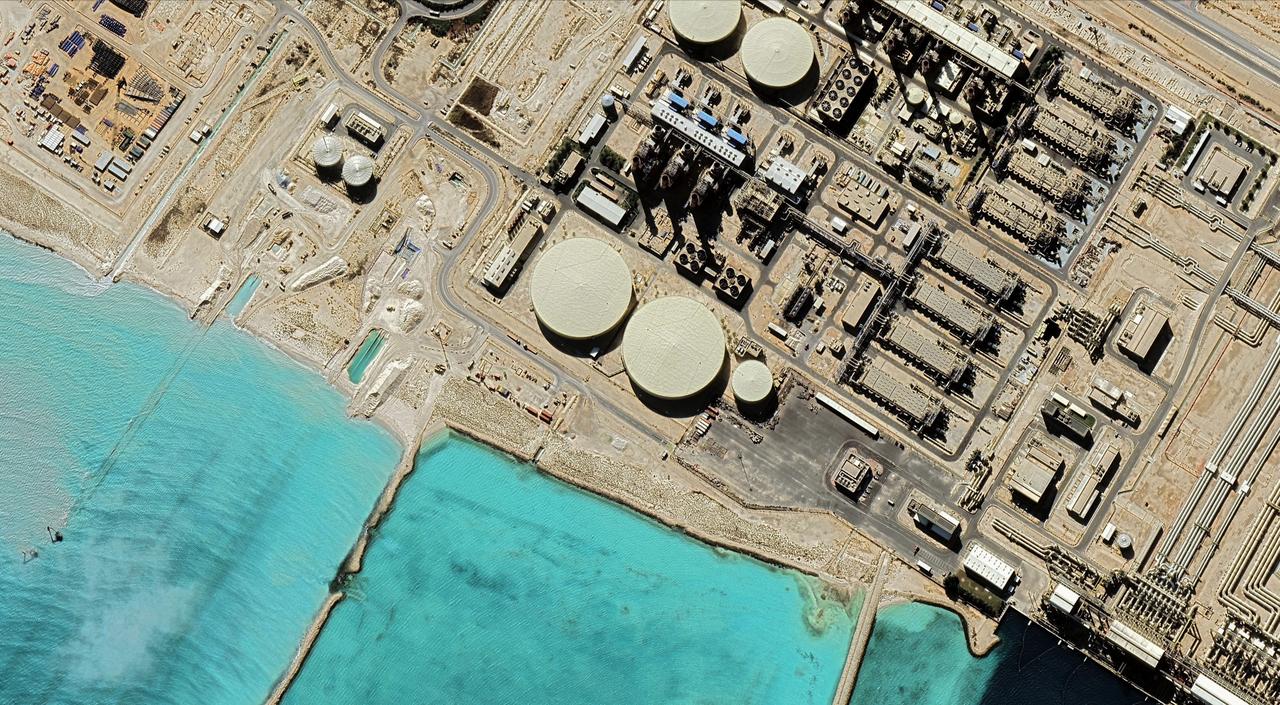
Qatar’s state-owned energy company QatarEnergy said Monday it stopped liquefied natural gas production at the major LNG hubs of Ras Laffan and Mesaieed after Iranian drone strikes hit energy infrastructure.
Earlier, Qatar’s Defense Ministry said two drones launched from Iran targeted energy infrastructure, with one hitting a water tank at a Mesaieed power plant and the other striking a QatarEnergy facility in Ras Laffan, with no casualties reported.
Qatar accounts for 20% of global LNG exports and shipped 82.2 million tons of LNG in 2025. Ras Laffan is Qatar’s main LNG hub and one of the world’s largest, with 14 LNG trains and a combined annual capacity of about 77 million tonnes.
Mesaieed Industrial City, south of the capital, hosts refineries, petrochemical plants and power facilities, supporting both domestic supply and energy exports.
The company did not say how long the production halt would last.

Following the news, European natural gas prices extended gains, with Dutch TTF hub futures rising nearly 50% on the day to above €47.3 ($55.37) per megawatt hour, their highest level in over a year, as the effective closure of the Strait of Hormuz had already pushed prices higher.
The development heightened concerns over Europe’s gas storage levels, which remain below 30%, raising fresh questions about the region’s readiness to handle further supply disruptions.
However, European Commission spokesperson Anna-Kaisa Itkonen said the bloc has "no immediate" concerns over energy supply. "Our gas imports are well diversified," she said, denying any emerging situation.
U.S. natural gas futures at Henry Hub also edged up 5.5% to $3.01.


 Set as preferred source
 Set as preferred source


 1 min read
 1 min read