Newsletters


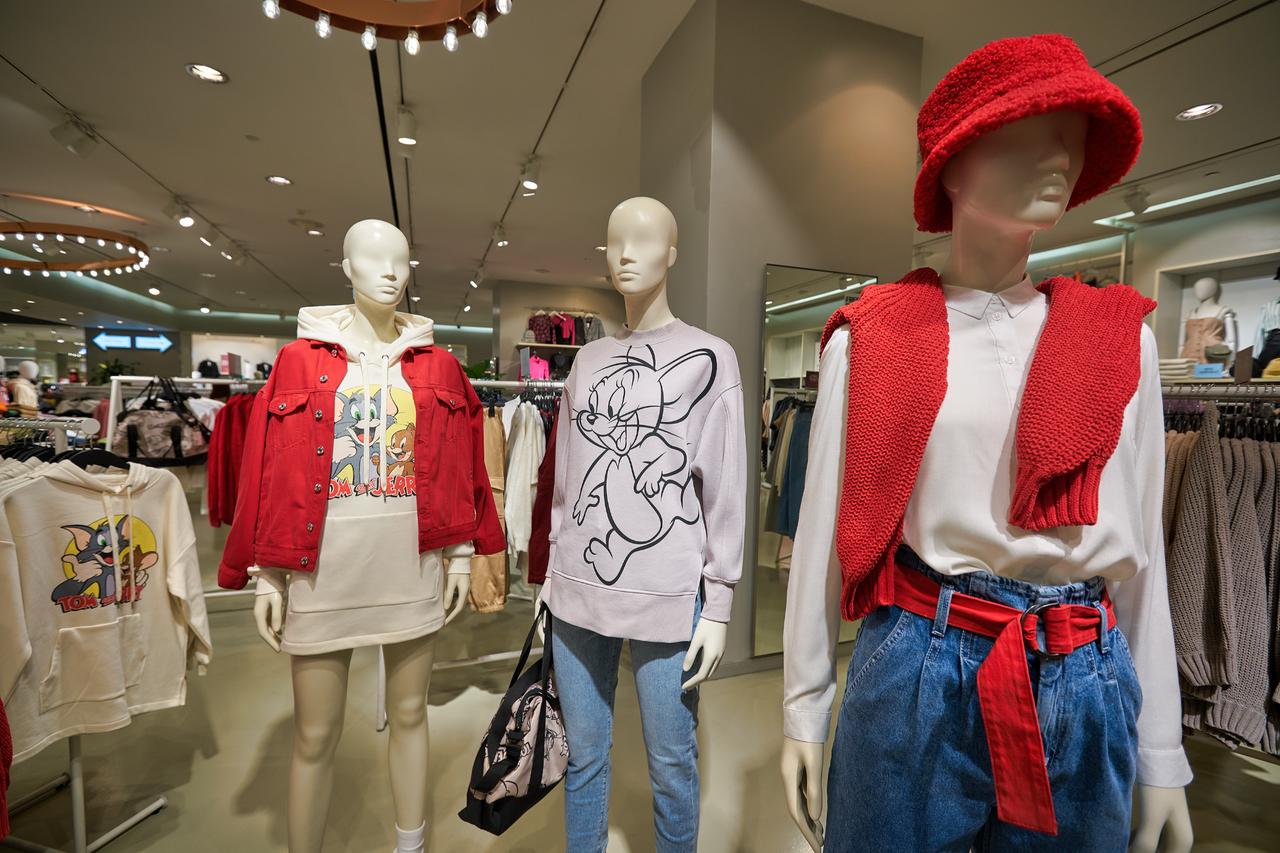


Türkiye's ready-to-wear sector fell short of expectations this year as inflation-fighting measures squeezed household budgets and pushed apparel spending to a "third priority" behind housing and food, according to Ipekyol Group CEO Ugur Ayaydin, a Turkish women's fashion retailer.
"Within the framework of government policies and measures taken to reduce inflation, we can say the sector fell below expectations this year," Ayaydin told Turkish media outlet Bloomberg HT on Saturday.
"When we look at household budgets, the increase in housing, food and beverage costs has seriously limited the share consumers allocate to the ready-to-wear sector. Because consumers prioritize their basic needs, ready-to-wear is now in third place. The high increases in education fees recently also triggered this contraction," he added.
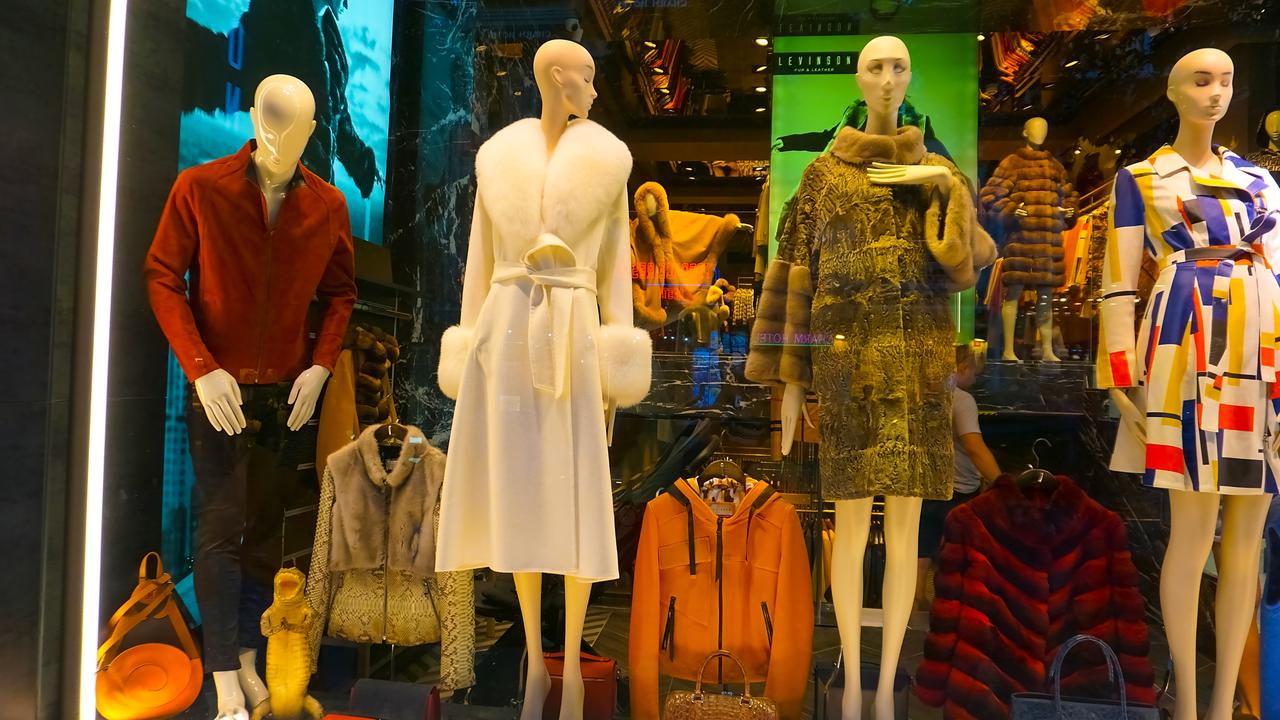

Ayaydin claimed that credit card spending data reveals the sector's underperformance relative to overall retail.
"When we evaluate the sector overall through credit card expenditures, we see a total increase of approximately 50% compared to last year. However, in ready-to-wear, this rate is around 40%, which shows the sector experienced a significant loss in market share," he noted.
"Still, when we take inflation figures as a base, we can state that the sector grew approximately 8 points above inflation and achieved real growth," he added.
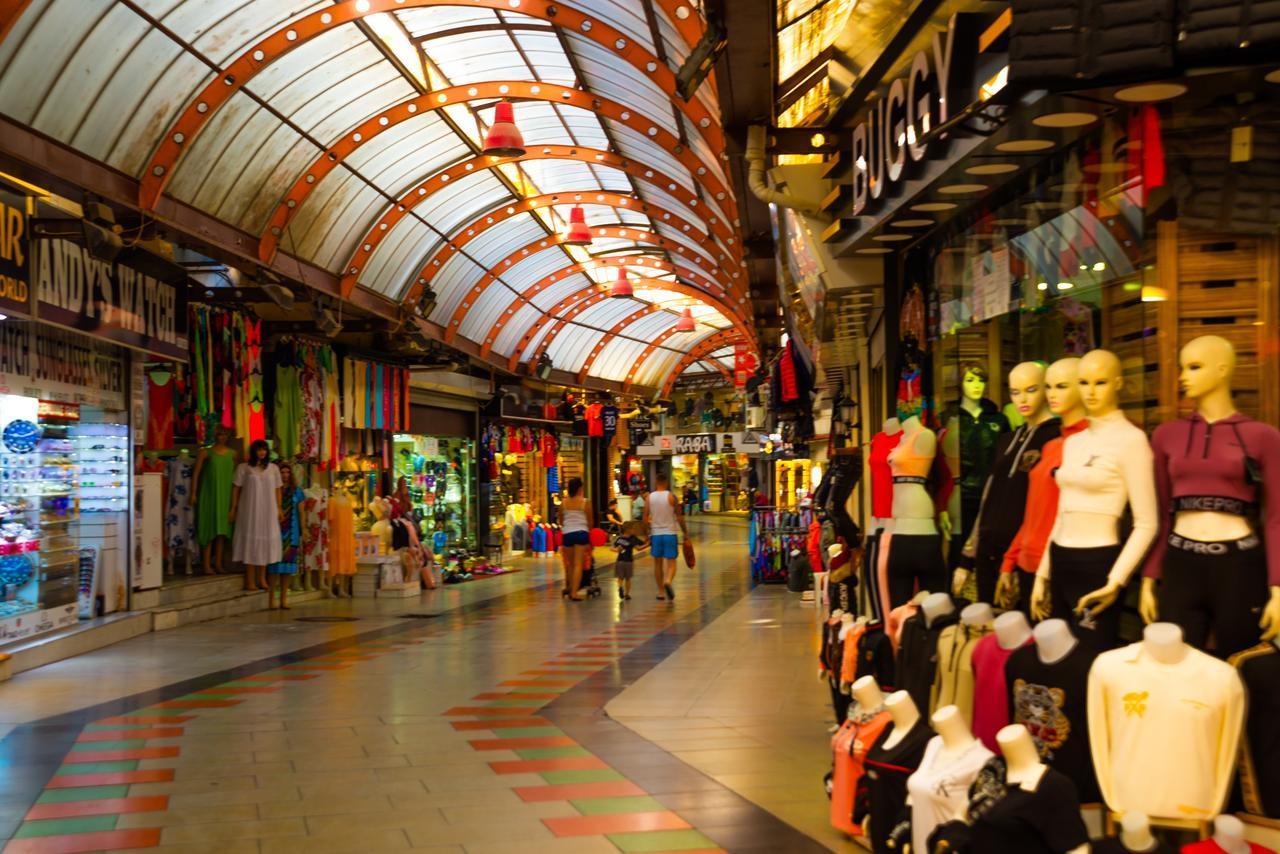
The CEO claimed that the minimum wage rising to $600 in dollar terms over the past three years, combined with the Turkish lira's 'real appreciation' as the exchange rate stayed below inflation, significantly increased labor costs.
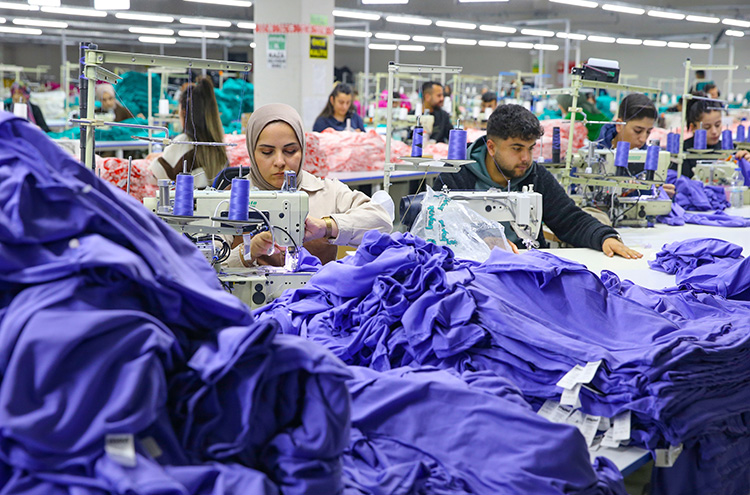
"This situation caused Turkish suppliers doing business in the global market to struggle with price competition. Due to dollar-based cost increases, producers have started moving their operations to more advantageous markets like Egypt," he said.
"Especially contract manufacturers producing for global giants have had to go abroad to sustain their business," he added.
Ready-to-wear exports declined 8% this year, primarily due to rising labor costs.
 1 min read

"Ready-to-wear is one of Türkiye's locomotive and labor-intensive sectors, so it directly affects employment. We expect the government's support for the sector to continue with different models in the coming period," Ayaydin stated, adding that, "On the other hand, when we look at our export value per kilogram, we see the sector has performed quite successfully and achieved value-added product sales."
Ayaydin lastly said he expects demand to pick up once interest rates begin falling, by stating, "I foresee a revival in demand as interest rates start to fall from June 2026 onwards. I believe 2026, especially in its second half, will be a much more productive year than 2025."


 Set as preferred source
 Set as preferred source


 1 min read