Newsletters


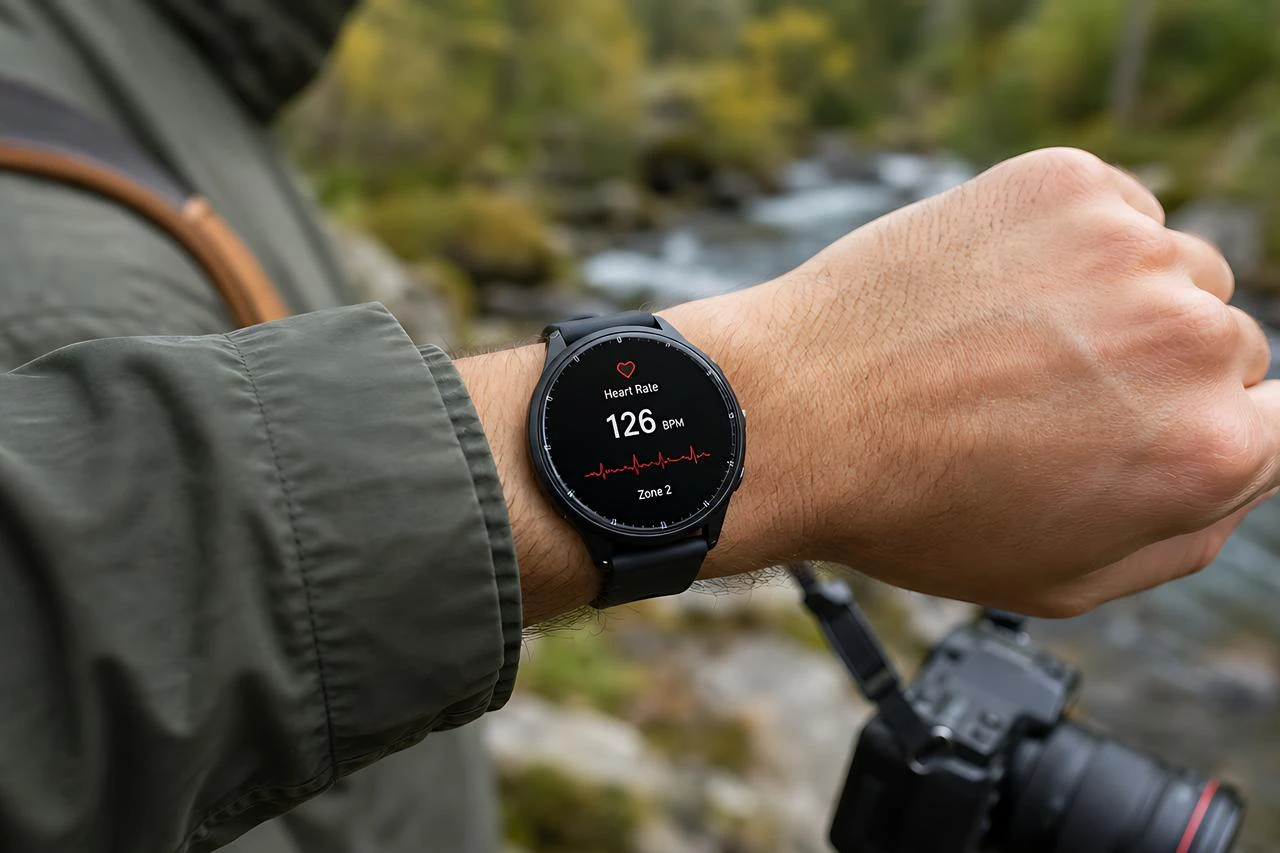


Samsung Research, the research arm of the South Korea-based technology company, on Friday detailed two artificial intelligence models designed to identify health patterns in data collected by wearable devices, part of a broader company push into continuous health monitoring.
The models, called xMAE and HiMAE, analyze so-called biosignals, measurements such as heart activity, movement and sleep-related data gathered by devices including smartwatches. Samsung says the goal is to help AI recognize patterns across these signals rather than treating each measurement separately.


The announcement builds on the company's wider expansion into AI-powered health technology. In July, Samsung launched a beta version of its Health Assistant, which uses users' health data to generate personalized wellness recommendations.
The company also presented its "Connected Care" vision, which aims to combine AI and wearable data for more continuous and personalized health monitoring.
xMAE and HiMAE remain research projects, not newly launched medical products. xMAE focuses on relationships between different heart-related signals, while HiMAE identifies patterns across different time scales, ranging from rapid changes such as heartbeats to longer-term patterns linked to sleep and activity.
According to Samsung, HiMAE can operate on a smartwatch-class processor in less than a millisecond.
The two models are part of a broader effort to develop health foundation models, AI systems trained to recognize patterns in large volumes of biological data and then adapted for different tasks.


 Set as preferred source
 Set as preferred source



 2 min read