Newsletters


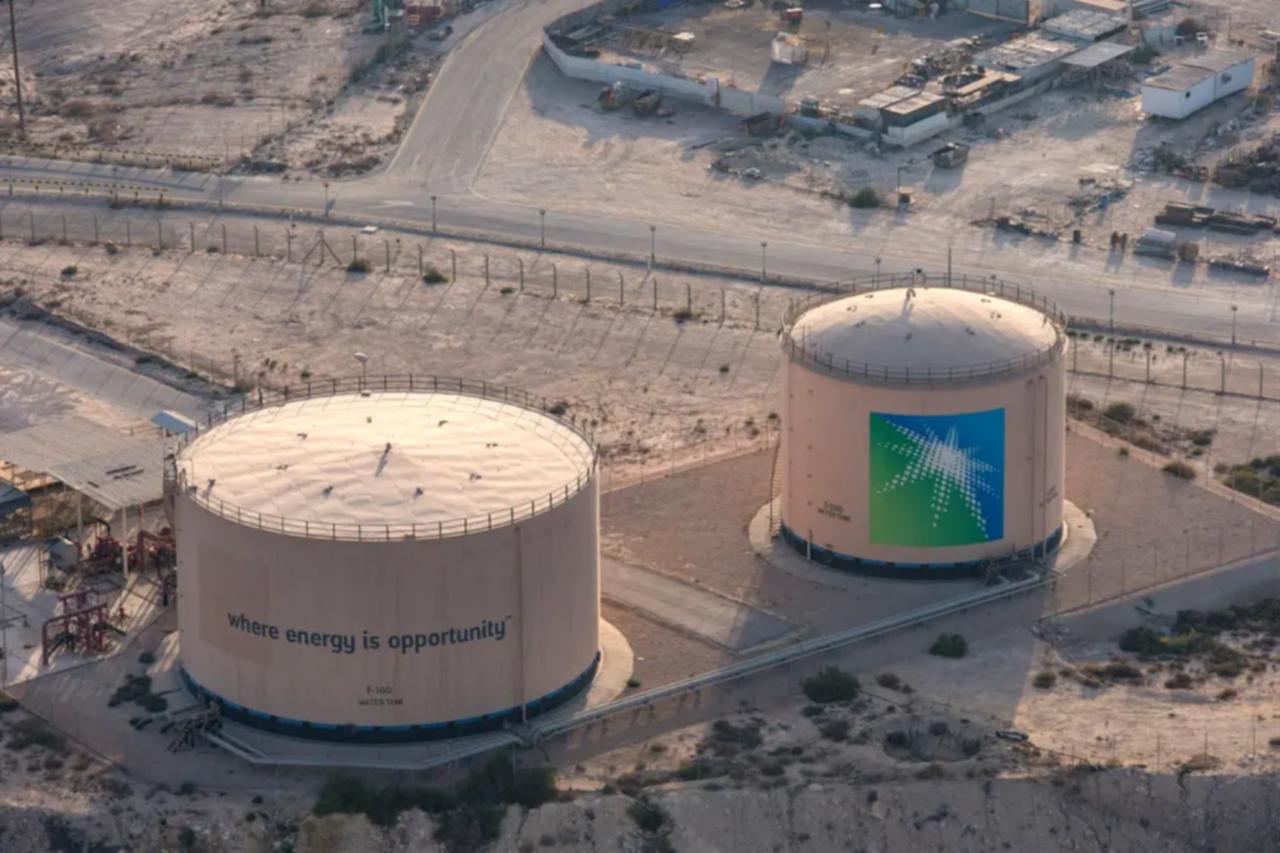


Saudi Arabia's national oil and gas company Aramco has restarted operations at its Ras Tanura oil refinery after an Iranian strike earlier this month halted production at the country’s largest processing facility.
The refinery resumed activity on Mar. 13 after being shut since Mar. 2, when drones struck the site and triggered a fire. The attack caused a limited fire after intercepted drones fell onto the facility, prompting authorities to suspend operations as a safety measure. No injuries were reported, and the damage was described as contained.
Ras Tanura is the biggest refinery in Saudi Arabia, with a crude processing capacity of 550,000 barrels per day.
The complex is part of a broader energy hub that includes one of the world’s largest oil-loading terminals, allowing direct access to global markets. It accounts for roughly 16% of the kingdom’s total refining capacity and produces a range of fuels, including gasoline, diesel, and kerosene.
Its restart restores a significant portion of the country’s domestic refining capacity after nearly two weeks of disruption. No further operational details were disclosed regarding the extent of damage or repair work carried out before the restart.
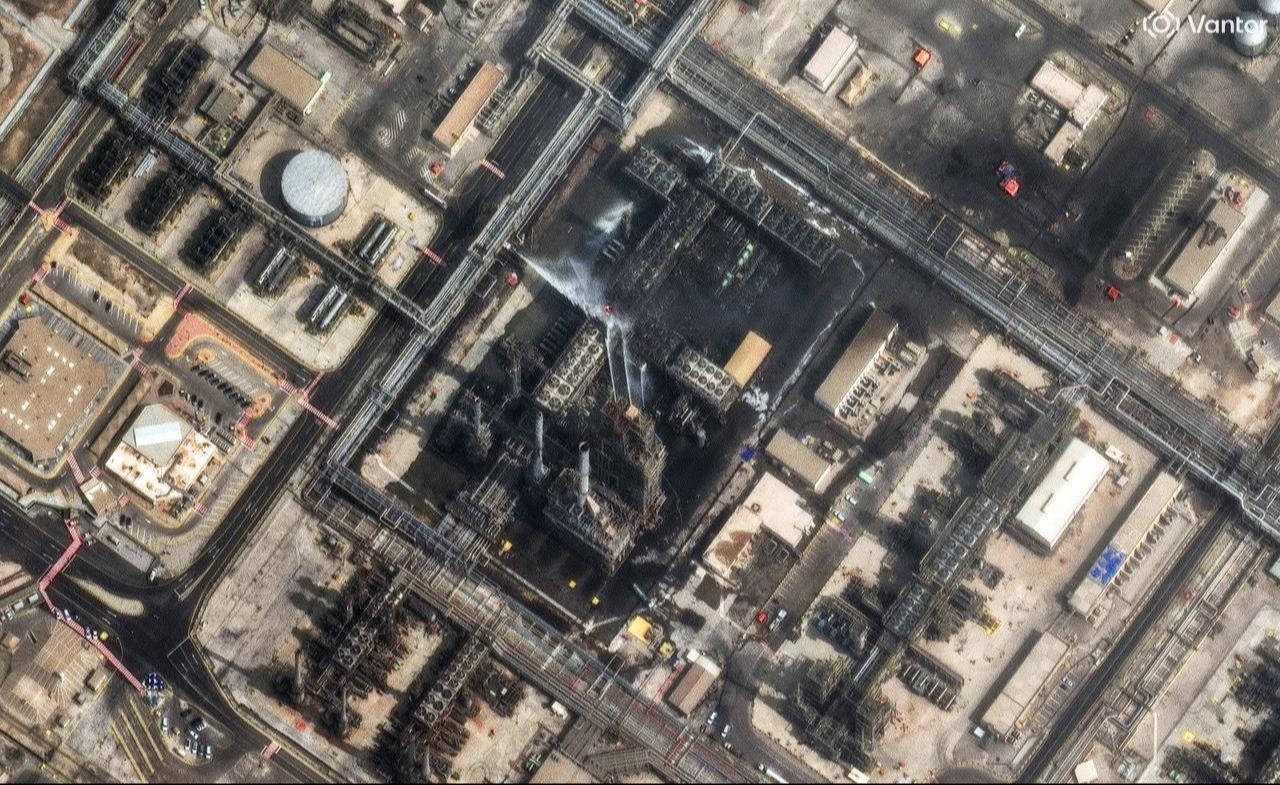

Since the start of joint U.S.-Israeli strikes on Feb. 28, Iran has continued attacks across Gulf countries hosting U.S. military bases, targeting civilian sites and energy infrastructure in some of the world’s top oil-producing states.
The campaign has also extended to maritime routes, with multiple commercial vessels struck or damaged in the Strait of Hormuz, a chokepoint that handles around 20% of global oil flows. Shipping traffic through the strait has dropped sharply as security risks have escalated.
According to Kpler data, oil exports from eight Middle Eastern countries averaged 9.71 million barrels per day in the week to Mar. 15, down 61% from 25.13 million bpd in February.
Saudi Arabia, the world’s leading oil exporter, cut its oil production by 20% to 8 million barrels per day while continuing exports through its Red Sea facilities in Yanbu.


 Set as preferred source
 Set as preferred source


 1 min read
 1 min read