Newsletters


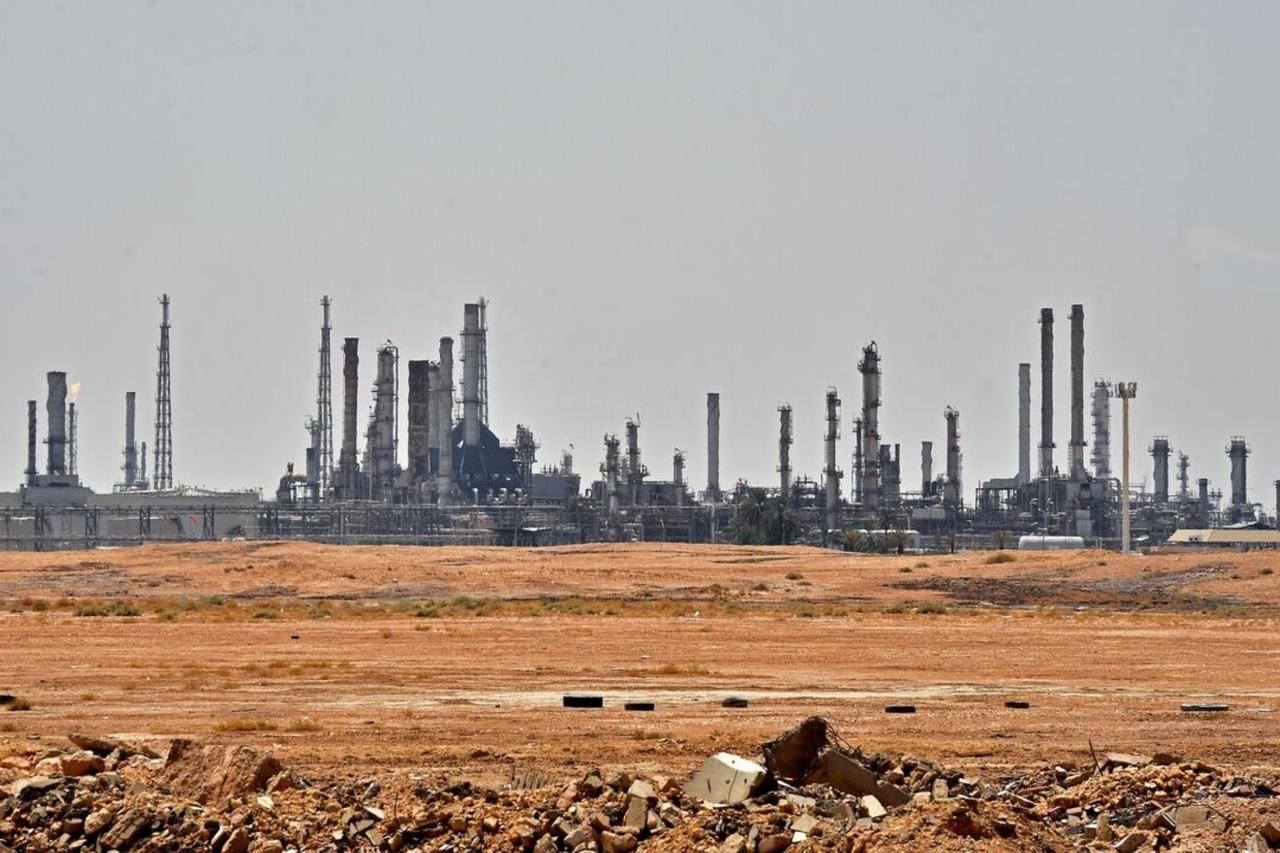


Saudi Arabia's Aramco, the world's top oil exporter, has told at least two European oil refining customers they will receive no crude oil deliveries next month, after a drone attack forced the shutdown of the kingdom's key East-West pipeline, according to people familiar with the decision cited by Bloomberg.
European customers normally receive Saudi crude under term contracts that ensure steady monthly deliveries. Those deliveries will not take place next month, the people said, speaking anonymously because the information isn't public, adding that the decision applies to all European buyers.
Saudi Arabia was forced to shut its East-West pipeline last week after a drone attack.
The line is due to partially restart within days and be fully operational again within six weeks, a person familiar with the matter told Reuters.
European refineries typically draw Saudi crude from Egypt's Mediterranean port of Sidi Kerir, which connects to the Red Sea via pipeline, a route now disrupted by the outage.
Saudi Arabia is Europe's fifth-largest oil supplier, having provided almost 30 million tons of oil to the continent in 2025. European countries in the Organization for Economic Cooperation and Development (OECD) imported 577,000 barrels per day of Saudi crude in June, according to the International Energy Agency's monthly Oil Market Report.
The pipeline halt has already triggered panic buying among some Aramco customers. Poland's Orlen SA issued more than ten tenders since Friday in a race to secure alternative supplies.
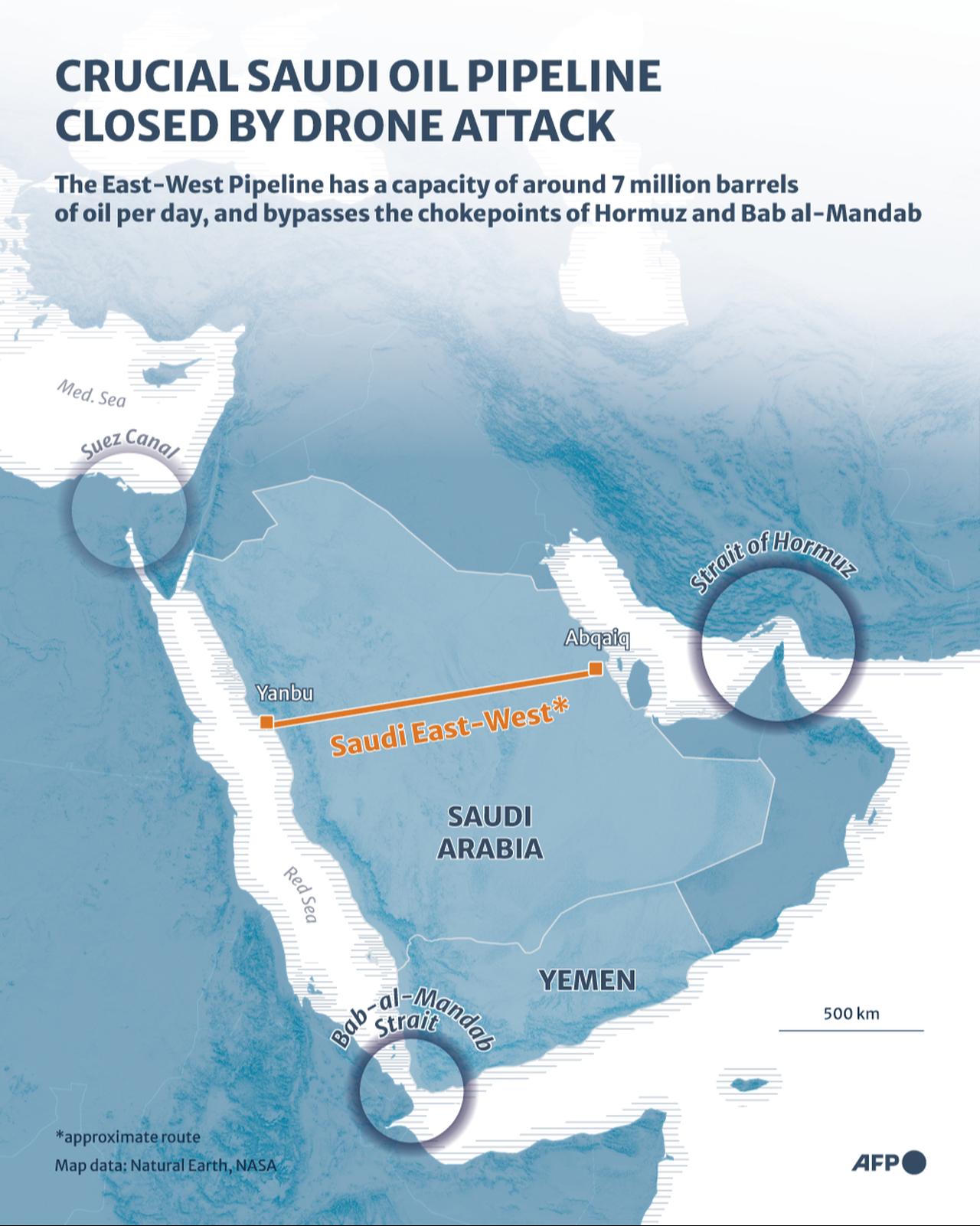

Even as European supply dries up, Saudi Arabia has ramped up exports from its Gulf port of Ras Tanura, inside the Strait of Hormuz, according to Reuters, which cited multiple trade sources.
Aramco has sold roughly 60 million barrels of crude for loading via ship-to-ship transfer at the Omani port of Sohar this month and next, lifting Gulf exports to an average of 1 million to 1.5 million barrels per day, similar to or slightly higher than August levels.
The rebound has helped cool global oil prices by offsetting some of the volume lost at the Red Sea port of Yanbu, where exports slowed after the pipeline attack.
Chinese and South Korean refiners are among the top buyers of the spot supplies, with some volumes also going to India and Japan, according to the sources.
Global oil futures fell more than $1 a barrel Friday on reports that Saudi Arabia was seeking to restore about half the East-West pipeline's capacity within days and was offering more cargoes to Asian refiners through the Sohar transfers.
The increased Gulf exports have benefited Asian buyers even as supertanker freight rates hit records this week; the rate to charter a very large crude carrier to load 2 million barrels in early October from Fujairah to Asia reached 800 on the Worldscale index, according to a shipbroking firm.
The Petroleum Association of Japan (PAJ) said Friday that the country's refiners have secured sufficient crude supplies through November, pointing to the ship-to-ship transfers occurring outside the Strait of Hormuz.
"In some cases, oil passes through the Strait of Hormuz at Saudi Arabia's risk before being transferred to us outside the Gulf. For that reason, supplies from Saudi Arabia have not ceased entirely," PAJ President Shunichi Kito said in Tokyo.

According to Bloomberg's earlier report, Saudi Arabia has also been working separately to increase overall oil supply through the Strait of Hormuz to offset the pipeline's shutdown, with tankers repositioning toward the strait and loading rates gradually rising even before the latest attack.
The kingdom's oil exports had already fallen to a nine-year low of roughly 3 million barrels per day in August amid the compounding disruptions from both the Hormuz blockade and Houthi threats to Red Sea shipping, before the pipeline attack added further pressure.
Saudi Arabia closed its East-West pipeline, also known as Petroline, after at least two points along the route were struck last week in an attack Riyadh has blamed on drones launched from Iraq, which drew a wave of international condemnation, including from Türkiye.


 Set as preferred source
 Set as preferred source



 1 min read