Newsletters


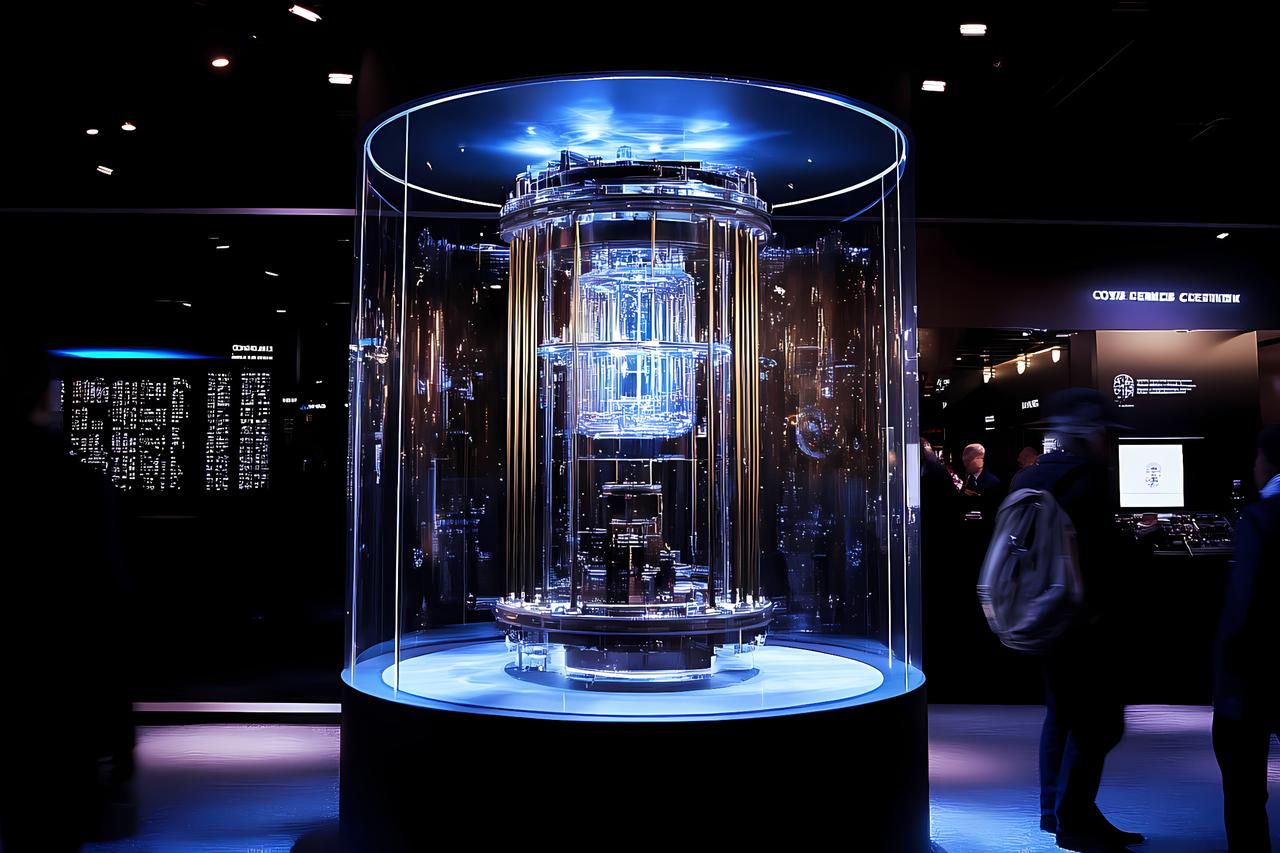


A group of researchers has created a new security system to protect video data from future quantum threats, and it works on the computers people already use.
Computer scientists say they have developed a new way to encrypt video data that can stand up to both today’s cyber threats and future quantum attacks.
The research was published in the journal IEEE Transactions on Consumer Electronics in February 2025 and announced on March 2, 2026.
Led by researchers at Florida International University (FIU), the team’s system uses a new way to secure and send video, focusing on a weakness in how regular encryption protects video files.


Instead of encrypting a video as one big file, the new system breaks it into individual frames and scrambles each one with a different security key. The keys are random, so even if someone intercepts part of the video, they cannot read it without the right key for each frame.
The method also fixes a problem unique to video files. Since videos are compressed, they often have repeating patterns that show up in many frames.
Regular encryption can leave some of these patterns visible, which helps attackers try to break the code. The new system removes these patterns by making the encrypted data more random, a quality called "entropy."
The more random the data, the harder it is to analyze.
In tests, the team found their system worked about 10 to 15 percent better than other video encryption methods, mainly because it removed the patterns that attackers usually look for.

A main advantage of the system is that it does not need special quantum hardware.
It is made to run on regular computers, so it could be added to video conferencing, cloud storage, or surveillance platforms without needing to replace existing equipment.
Many governments and tech companies are preparing for "Q-Day," which is when quantum computers will be strong enough to break common encryption.
The U.S. National Institute of Standards and Technology (NIST) has spent years working to create new encryption methods that can resist quantum attacks and eventually replace the ones now used to protect internet traffic.
The FIU team’s research does not replace these new standards. Instead, it adds extra protection designed just for video, which is now a key part of business, government, and everyday communication.
"Think of a regular computer hack as someone trying to pick a traditional door lock; it could take days, even years, to try every combination," said S.S. Iyengar, a professor and director of the Digital Forensic Center of Excellence at FIU.
"But a quantum computer hack is like having a key that could try multiple combinations simultaneously. This is what makes quantum threats so powerful."
The researchers say they are now working to expand the system from small test files to full-length video streams and real-time communication platforms.


 Set as preferred source
 Set as preferred source



 2 min read