Newsletters




British energy giant Shell is expected to renew its focus on investment in Venezuela following the ousting of President Nicolas Maduro, as the U.S. moves to ease sanctions, according to English media.
The London-based company has reportedly set its sights on the long-stalled Dragon gas field project located in Venezuelan waters, following years of delay linked to U.S. sanctions.
The Dragon field, estimated to contain 120 billion cubic meters of gas—around three times the U.K.’s annual consumption—has remained undeveloped amid licensing disputes with U.S. authorities. With the political shift triggered by U.S. intervention, the project is now poised to advance, The Telegraph reported.
While U.S. President Donald Trump has encouraged oil firms to invest in Venezuela’s infrastructure and output, his emphasis on American leadership in these ventures suggests that Shell and other European firms may need to partner with U.S. counterparts.
BP, which obtained an exploration license for the nearby Manakin-Cocuina field in 2024, saw its U.S. approvals revoked in April 2025 but has since been lobbying for reinstatement, the report said.
Only Chevron, which already operates in Venezuela under strict oversight, has publicly acknowledged ongoing activities. "Chevron remains focused on the safety and well-being of our employees, as well as the integrity of our assets. We continue to operate in full compliance with all relevant laws and regulations," the company said, according to Newsweek.
Chevron produces about 150,000 barrels of oil per day in Venezuela, accounting for roughly 17% of the country’s total output, with five onshore and offshore operations in place.

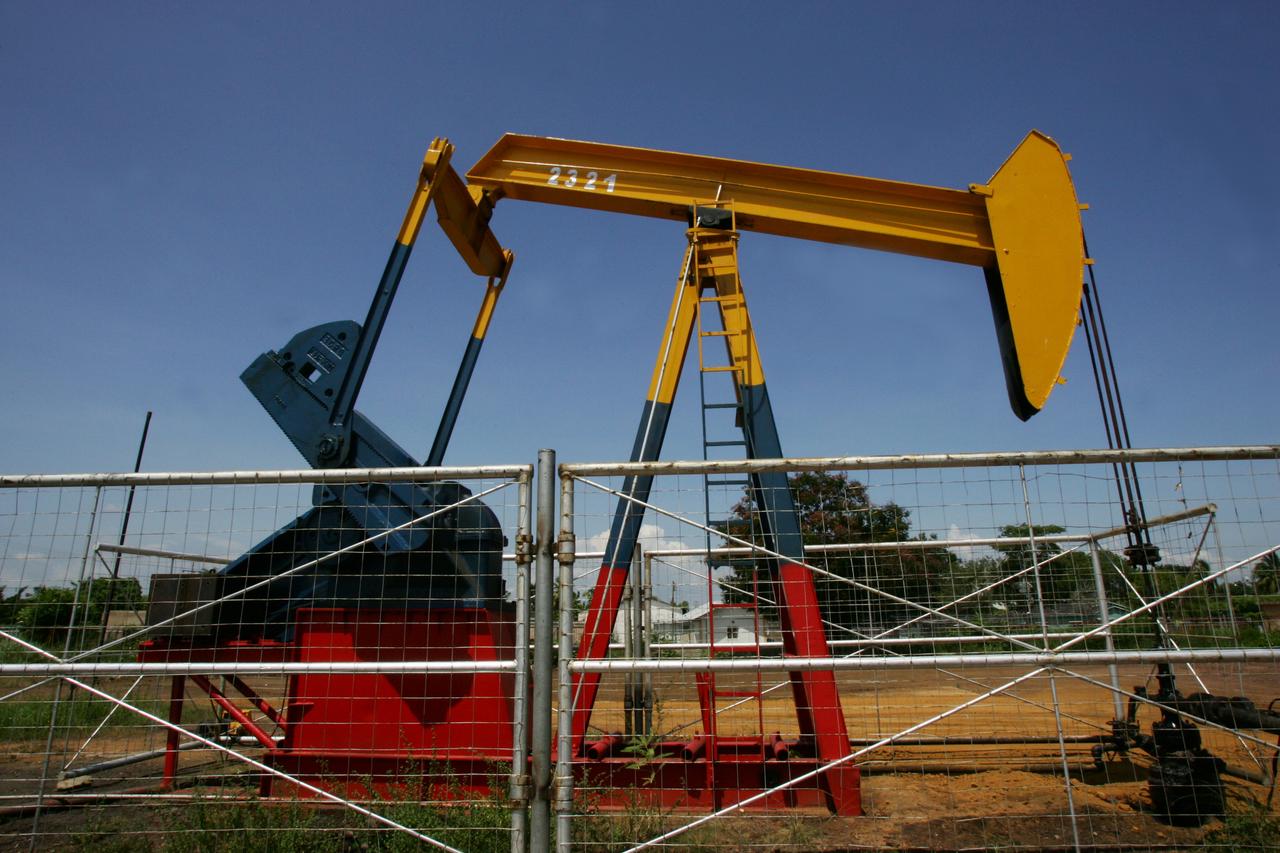
The opening of Venezuelan energy markets comes as the country, which holds the world’s largest proven oil reserves, ranks only 20th in global production. Analysts expect the shift to reignite foreign interest in the country’s vast but underutilized energy potential.
The resumption of Venezuelan production presents challenges for the Organization of the Petroleum Exporting Countries (OPEC), of which Venezuela is a founding member. Trump’s move is expected to weaken the cartel’s control over global output levels. Oil prices fell 18% in 2025, the steepest drop since the 2020 pandemic, reflecting OPEC’s diminishing influence.
At a recent meeting on Sunday, OPEC+, which includes Russia and other non-member producers, agreed to halt supply increases during the first quarter of 2026 in a bid to stabilize prices. However, Venezuelan output may still tip global markets into surplus.


 Set as preferred source
 Set as preferred source


 1 min read
 1 min read