Newsletters


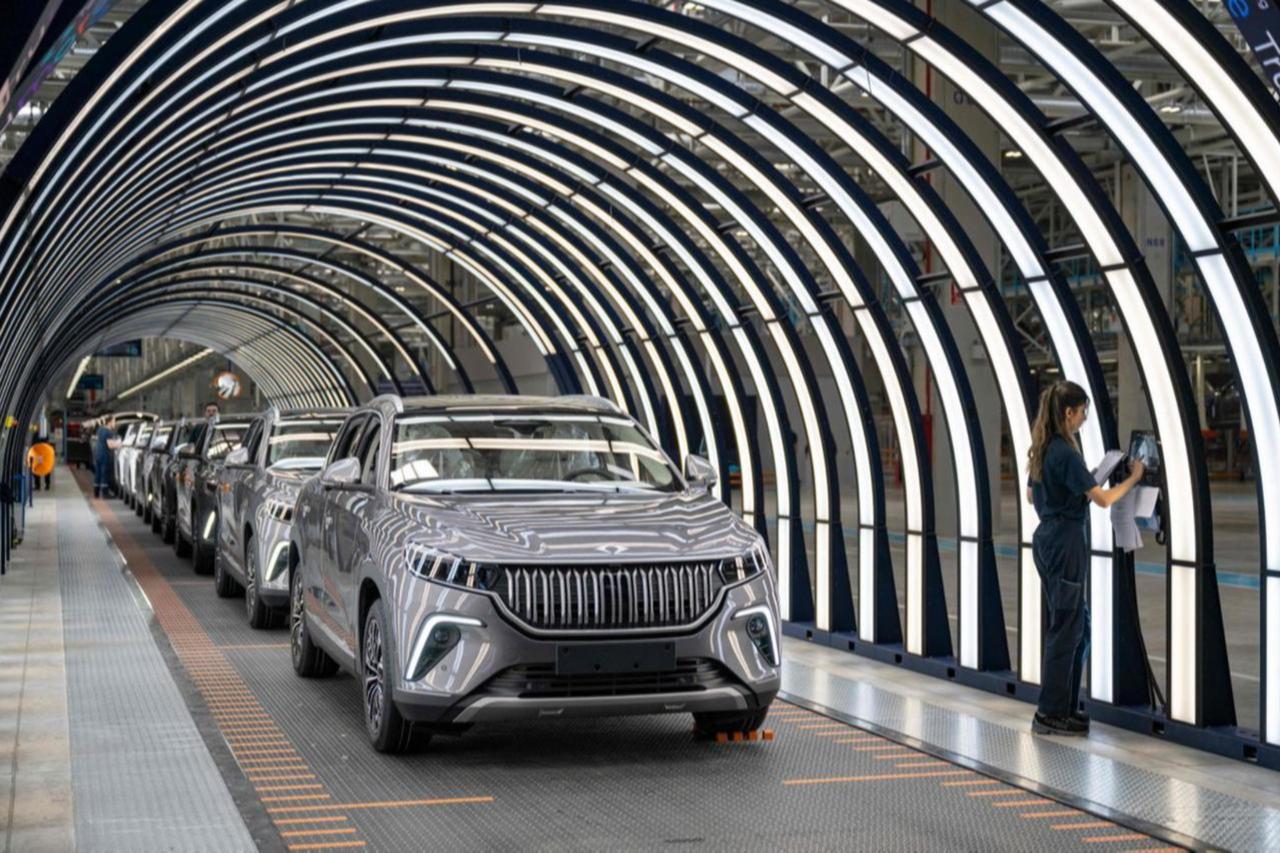


SUVs have reinforced their position as the dominant segment in Türkiye’s passenger car market, as technological advances and changing consumer preferences continue to reshape buying habits.
Data compiled by an Turkish news agency Anadolu correspondent from figures released by the Automotive Distributors and Mobility Association showed that six SUV models ranked among the top 10 best-selling passenger cars nationwide in 2025.
Of those SUV models, two were fully electric, two were hybrid and two were gasoline-powered.
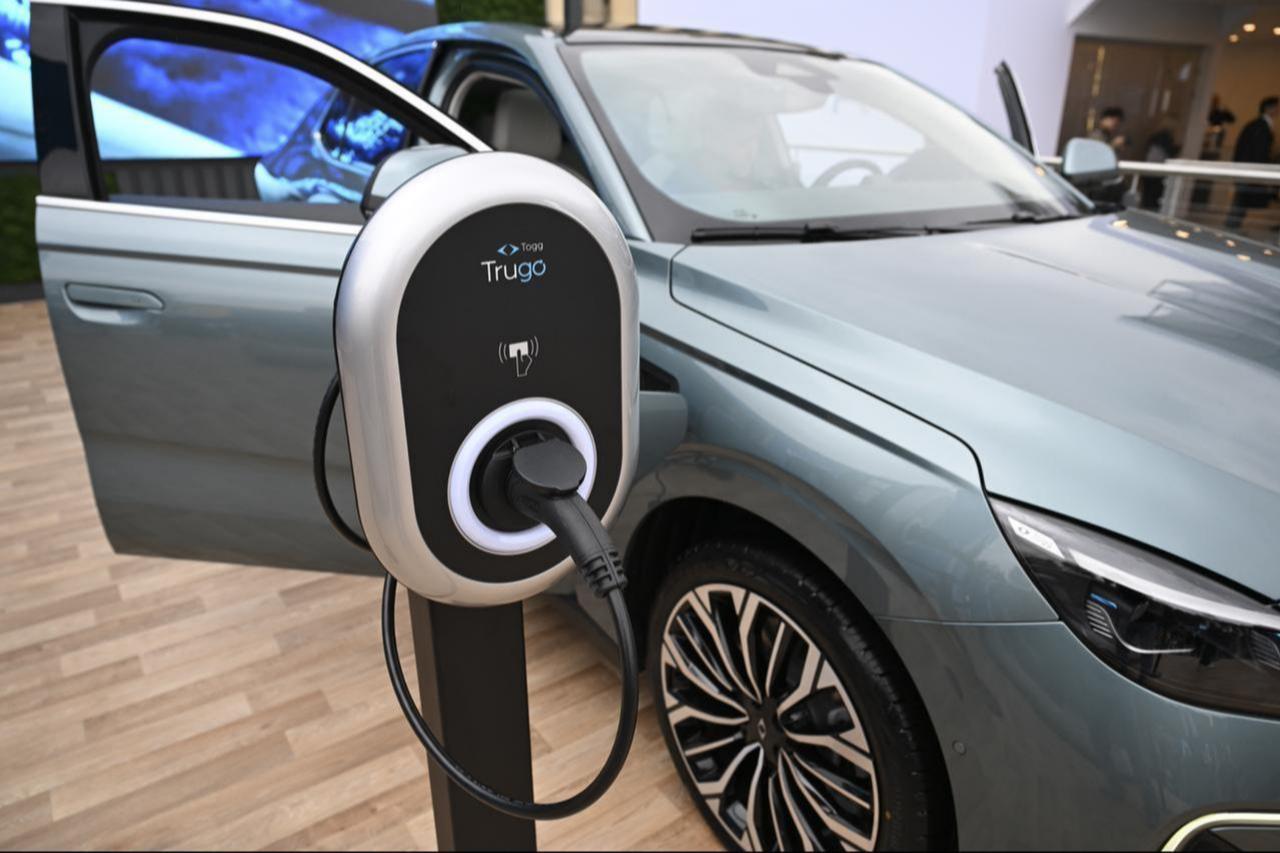
During the same period, domestic automaker Togg’s T10X model ranked fourth among the year’s best-selling cars, with sales of 27,583 units.
SUVs also increased their share of total passenger car sales.
When sales were broken down by body type, SUVs emerged as the most preferred category, accounting for 61.9% of the market with sales of 671,819 units.
SUV sales totaled 556,548 units in 2024. The sharpest year-on-year increase was recorded in 2023, when sales nearly doubled from 2022 levels, rising to 497,016 units. In 2022, total SUV sales stood at 249,621 units.

Speaking to Anadolu, Ali Haydar Bozkurt, chairman of the board of the Automotive Distributors and Mobility Association, said the automotive sector has undergone a clear transformation in recent years, with SUVs at the center of the shift.
Demand for SUVs in Türkiye has risen steadily in line with global and European trends, Bozkurt said, adding that the segment has moved beyond being a niche preference.
“SUVs have now become the mainstream segment of the automotive market,” Bozkurt said.
He said body-type preferences in Türkiye’s passenger car market have changed markedly over the past seven years.
“Sedan cars, which had been the clear market leaders for many years, began to give way increasingly to SUV body types, especially after 2018. While SUVs accounted for only about 22% of the total passenger car market in 2018, by 2025 they had exceeded 60%, becoming the most preferred body type,” he said.
Bozkurt said multiple factors lie behind the rise.
“On the consumer side, increasing expectations for versatility, a higher driving position, a sense of safety and comfort stand out, while on the supply side, manufacturers’ shift toward SUV models offering higher added value pushes the segment’s market share upward each year,” he said.
He added that the expansion of B- and C-segment SUV models has been critical.
“In the past, SUVs were mostly associated with higher-priced D-segment and above models aimed at limited purchasing power. After 2018, this picture changed fundamentally. By offering many new models in the B-SUV and C-SUV segments, manufacturers made SUVs accessible to broader segments of society,” Bozkurt said.
Bozkurt said SUV growth accelerated after 2021, with the segment’s share reaching about 35% that year, exceeding 40% in 2022 and crossing 50% in 2023.
“According to 2024 and 2025 data, SUVs have now become the most preferred body type in the market. At this point, while sedan cars still hold a significant volume within the total market, they have lost their status as the best-selling body type,” he said.
He said SUVs are expected to maintain market leadership, supported by electrification.
“New electric and hybrid SUV models offered alongside the electrification process may further strengthen this trend. In particular, the widespread adoption of B- and C-segment electric SUVs will make SUVs not only a body type but also a carrier of technological transformation,” Bozkurt said.
 1 min read
Automotive Authorized Dealers Association Chairman Omer Koyuncu said data from the past two years shows SUVs have become the dominant body type in Türkiye’s passenger car market.
Koyuncu said SUVs accounted for about 57% of sales in 2024 with 556,548 units, rising to 62% in 2025 with sales of 671,819 units.
He said the overall market grew 10.7% in 2025, while the SUV segment increased its share by 5%.
“We interpret these results not as a temporary trend but as a permanent structural transformation,” Koyuncu said.
“SUVs are no longer just an upper-segment or niche preference; they have become the mainstream consumer choice in the A, B and C segments. While sedan and hatchback models are losing market share, SUVs are directly filling this space,” he said.
Koyuncu said electrification has accelerated the trend.
“A significant portion of the rapid increase in electric and hybrid vehicle sales is occurring in the SUV body type. This positions SUVs at the center not only of today’s market but also of the future alongside electrification,” he said.
He added that authorized dealers have adapted by aligning test vehicle fleets and sales and service training with shifting customer preferences.


 Set as preferred source
 Set as preferred source


 1 min read