Newsletters


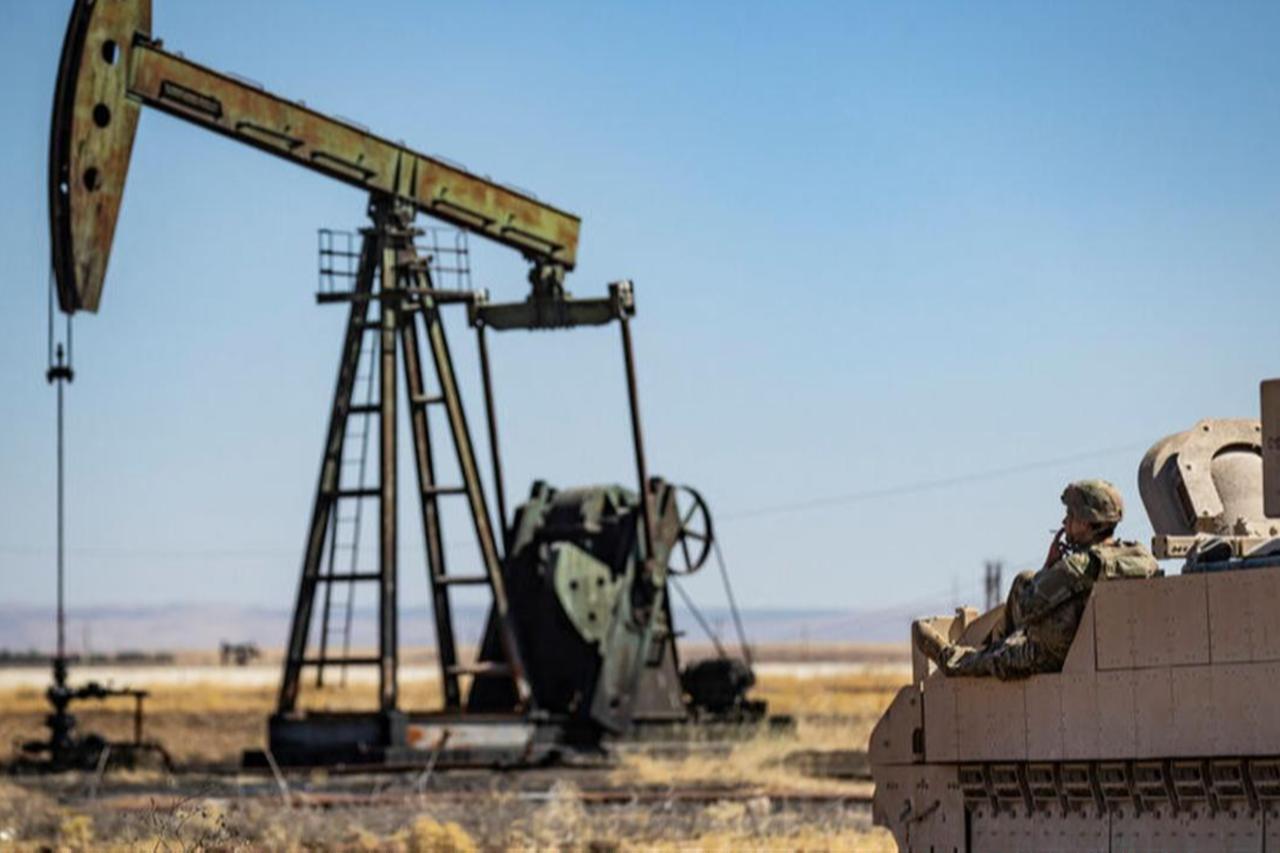


The new Syrian administration is preparing to issue new offshore oil and gas exploration licenses to global energy companies as it seeks to rebuild production capacity and attract foreign capital into its underexplored hydrocarbon sector.
The country’s national oil company stated that multiple international groups were in line for offshore blocks, while early-stage agreements had already been signed and field work was expected to begin within months.
Youssef Qablawi, chief executive of the Syrian Petroleum Company, said Syria planned to award exploration licenses to Chevron, ConocoPhillips, TotalEnergies and Eni as part of a broader offshore and onshore development push.
Chevron and Qatar-based Power International Holding signed an agreement last week to explore an offshore block, with operations expected to start within two months. Qablawi also said a second offshore block was under discussion with QatarEnergy and TotalEnergies, while ConocoPhillips could also invest. A third block was being developed in coordination with Italy’s Eni.
He said only a limited share of Syria’s territory had been explored so far. “Maybe more than a quarter, or less than a third, has been explored. There is a lot of land in the country that has not been touched yet. There are trillions of cubic metres of gas," Qablawi told FT.
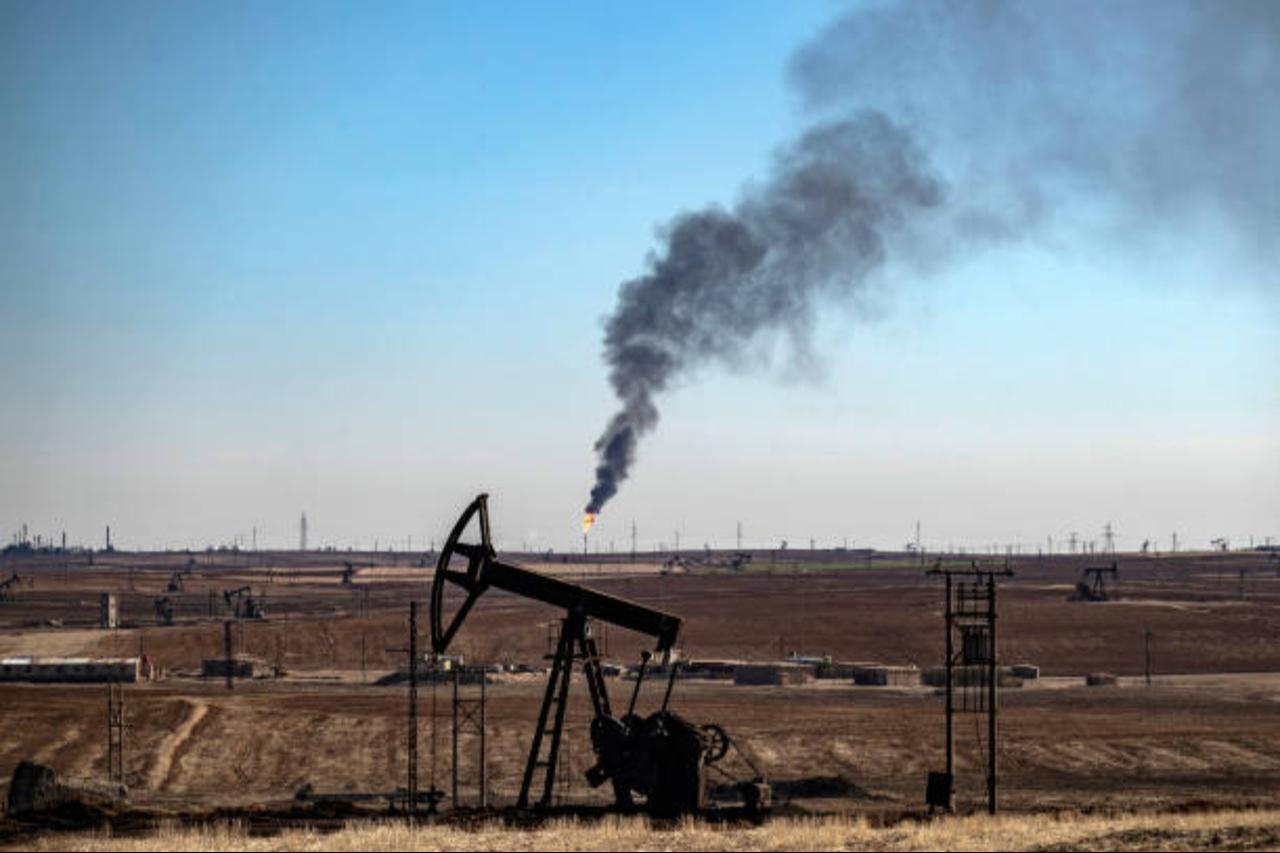

Syrian estimates cited by company officials pointed to around 285 billion cubic metres of natural gas and 2.5 billion barrels of oil, with the possibility of upward revisions as exploration expanded. Independent industry analysis estimated at least 1.3 billion barrels of oil and gas in discovered resources, while large areas, including the entire offshore zone, remained underexplored and had not yet seen exploration drilling.
Qablawi said Syria had already mapped potential structures and conducted seismic surveys but needed foreign technical expertise for deep-water exploration projects.
He also said he was due to hold talks with BP in London that week and remained open to Russian and Chinese companies entering the country.
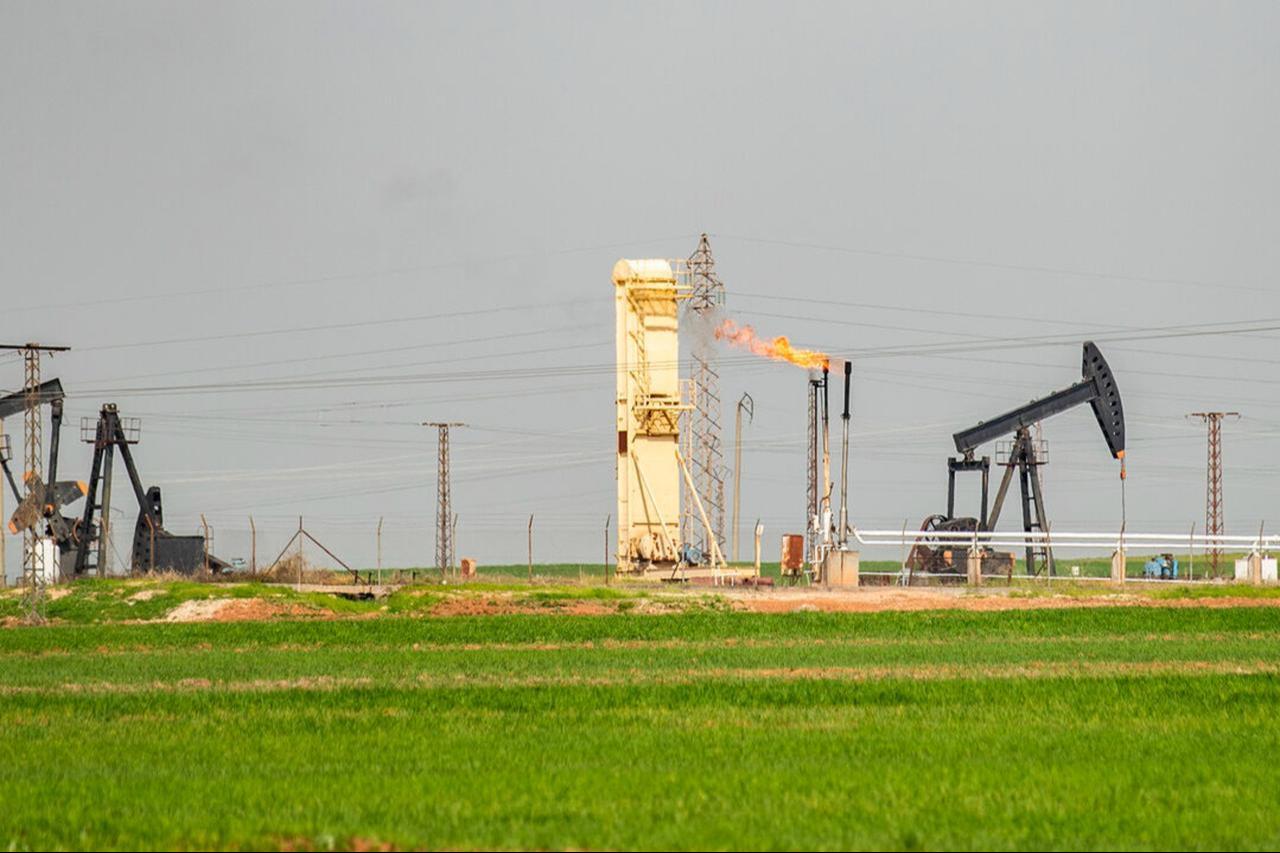
Government forces recently took control of oilfields in the country’s northeast from terrorist groups. Qablawi said many of those assets were in bad condition and required major maintenance.
He said output had previously reached 500,000 barrels a day but was now barely generating 100,000. He said, "I visited the north east and the majority of the fields are in bad condition. They need major maintenance."
He also said militants had damaged wells by using explosives to increase short term output, leaving many unusable.
To speed up recovery, he said international companies could be offered existing fields to rehabilitate and use the revenues to fund exploration elsewhere. He said, "That would be costly, but I will give them some pieces of cake to generate money."
Around 2,000 engineers were already on the ground in the north east assessing the fields, and the company expected to provide a recovery timeline for the oil industry by the end of February.
 Breaking News, Direct to You.
 Follow Türkiye Today on WhatsApp
for real-time updates and key insights from Türkiye and beyond.
Follow Türkiye Today on WhatsApp
for real-time updates and key insights from Türkiye and beyond.
Total upstream investment needs were estimated between $4 billion and $7.5 billion for offshore and related developments. First offshore gas production was targeted around 2030 under current planning scenarios.
Qablawi said Syria aimed to double gas production to 14 million cubic metres a day by the end of that year and said, "We are open to international companies. We are safe, everything is fine under government control and we are creating an internal security system."
Syria’s offshore areas sat within the Levant Basin in the Eastern Mediterranean, a region that had gained attention as Europe looked for alternatives to Russian gas supplies. Syrian waters could connect to existing Türkiye transmission networks and support both pipeline and LNG export options if projects moved forward under current proposals.


 Set as preferred source
 Set as preferred source


 1 min read
 1 min read