Newsletters


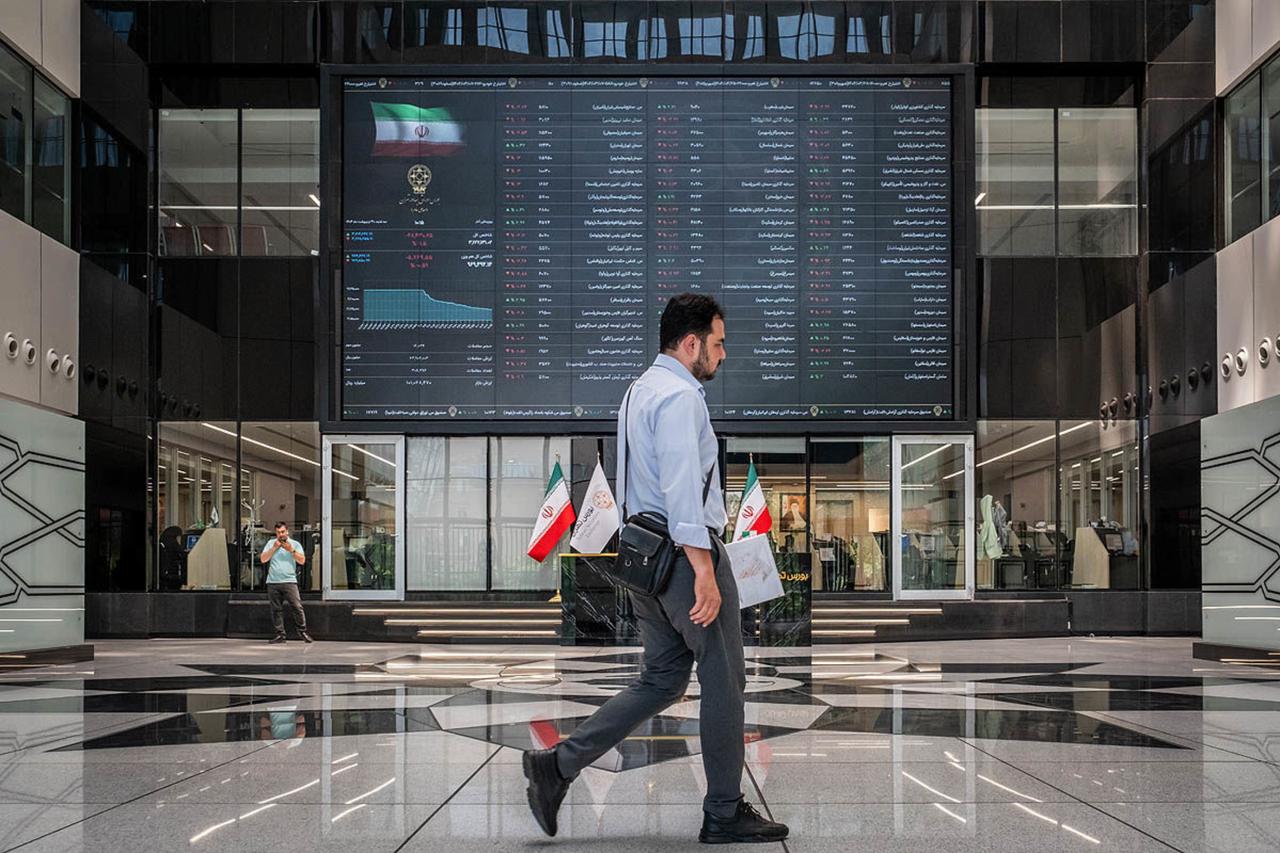


Iran’s main stock exchange reopened on Tuesday after an 80-day wartime shutdown triggered by the conflict that erupted following U.S. and Israeli attacks on Feb. 28, as investors returned to a market battered by mounting economic strain.
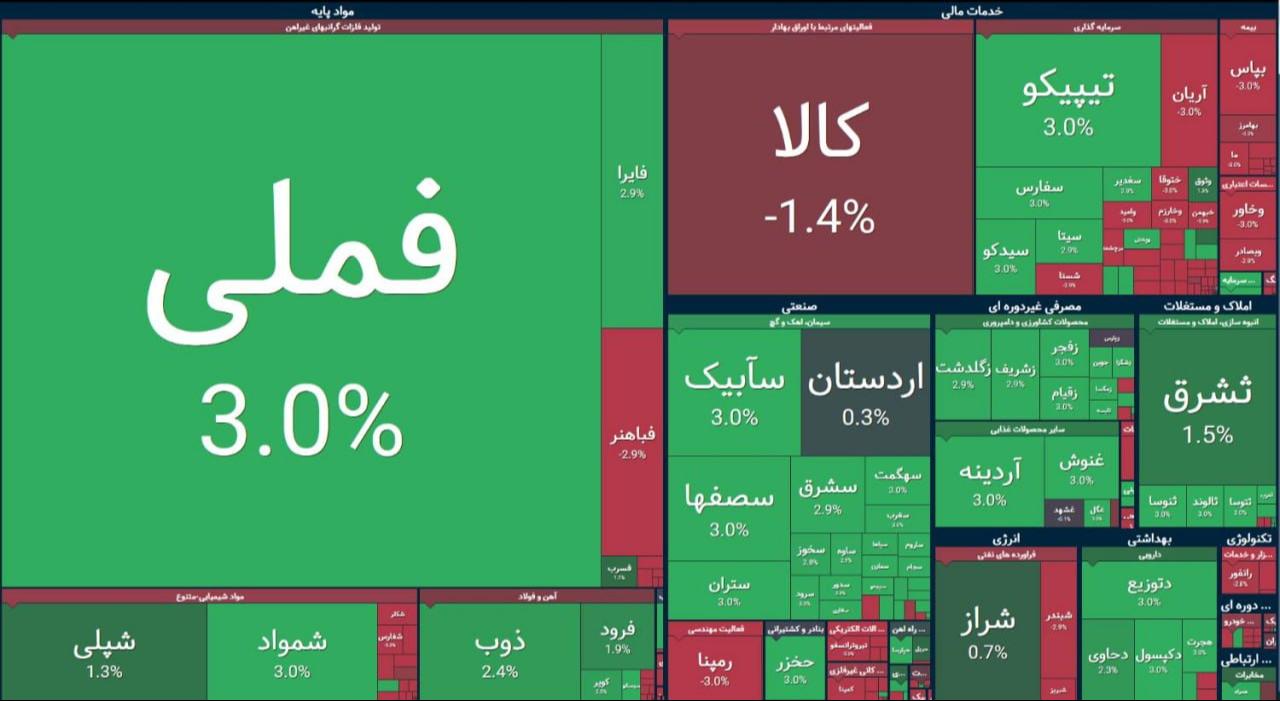
Trading in stocks, equity funds and stock-linked derivative products resumed at 9 a.m. local time, state media reported, but the session was dominated by heavy selling.
Buy orders totaled 1.575 trillion tomans (roughly $8.9 million), while sell queues swelled to 10.3 trillion tomans, leaving nearly 72% of traded symbols in negative territory after the opening.
More than 40 companies severely impacted during the war, mainly from the chemical and basic metals sectors, have yet to resume trading. Banking and automotive shares returned to the market, while several leveraged funds reopened with a sales cap of 100,000 units.
The downturn reflects the deepening crisis in Iran’s economy, worsened by the accelerated collapse of the rial toward the end of 2025 and wartime disruptions after the country endured nearly a month of heavy U.S.-Israeli bombardment in March before a ceasefire was declared.

The economic fallout continues to intensify across Iran, with surging prices, currency depreciation and wartime disruptions further eroding financial stability.
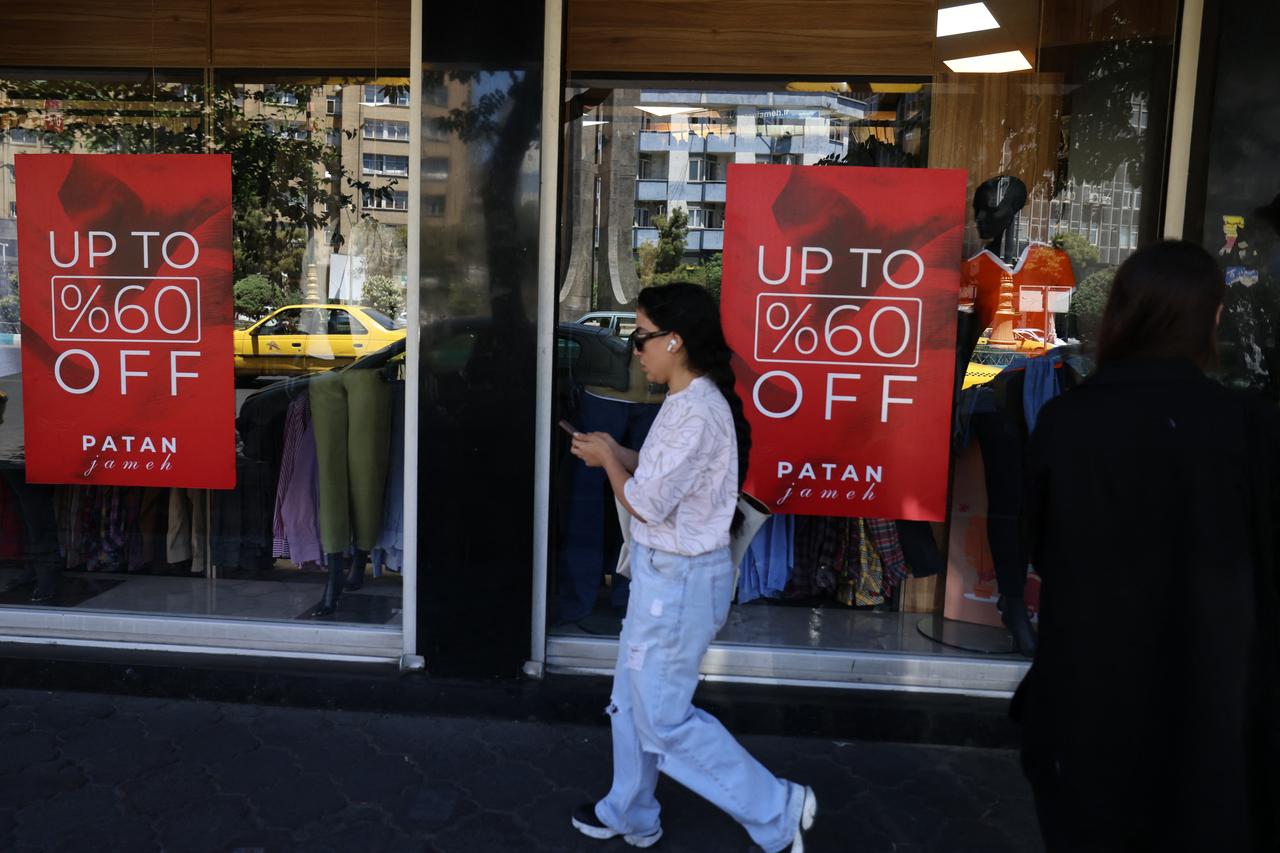
The International Monetary Fund (IMF) projected that Iran’s economy would shrink by around 6% by the end of 2026, while the country’s Statistics Center reported in mid-April that annual inflation reached 53.7% and food inflation soared past 115% compared to the same period a year earlier.
The Iranian rial has also remained under sharp pressure, with one U.S. dollar trading at nearly 1.8 million rials as of Tuesday.
At the same time, ongoing U.S. restrictions targeting Iranian ports and seaborne trade have added further pressure on the economy. Washington claims the measures cost Iran more than $500 million in lost revenue.
Iranian President Masoud Pezeshkian warned on Monday that the country should prepare for worsening economic conditions as the war continues to strain infrastructure and oil exports.
"We will definitely have inflation," Pezeshkian said during a meeting with public relations officials from state institutions. "We are fighting and we must accept the hardship that comes with it."
Iran had suffered major economic and infrastructure damage during the conflict and could not behave as if conditions were normal, he added.
"It is not the case that we have not been harmed," Pezeshkian said. "We must take on wartime conditions."


 Set as preferred source
 Set as preferred source


 1 min read
 1 min read