Newsletters


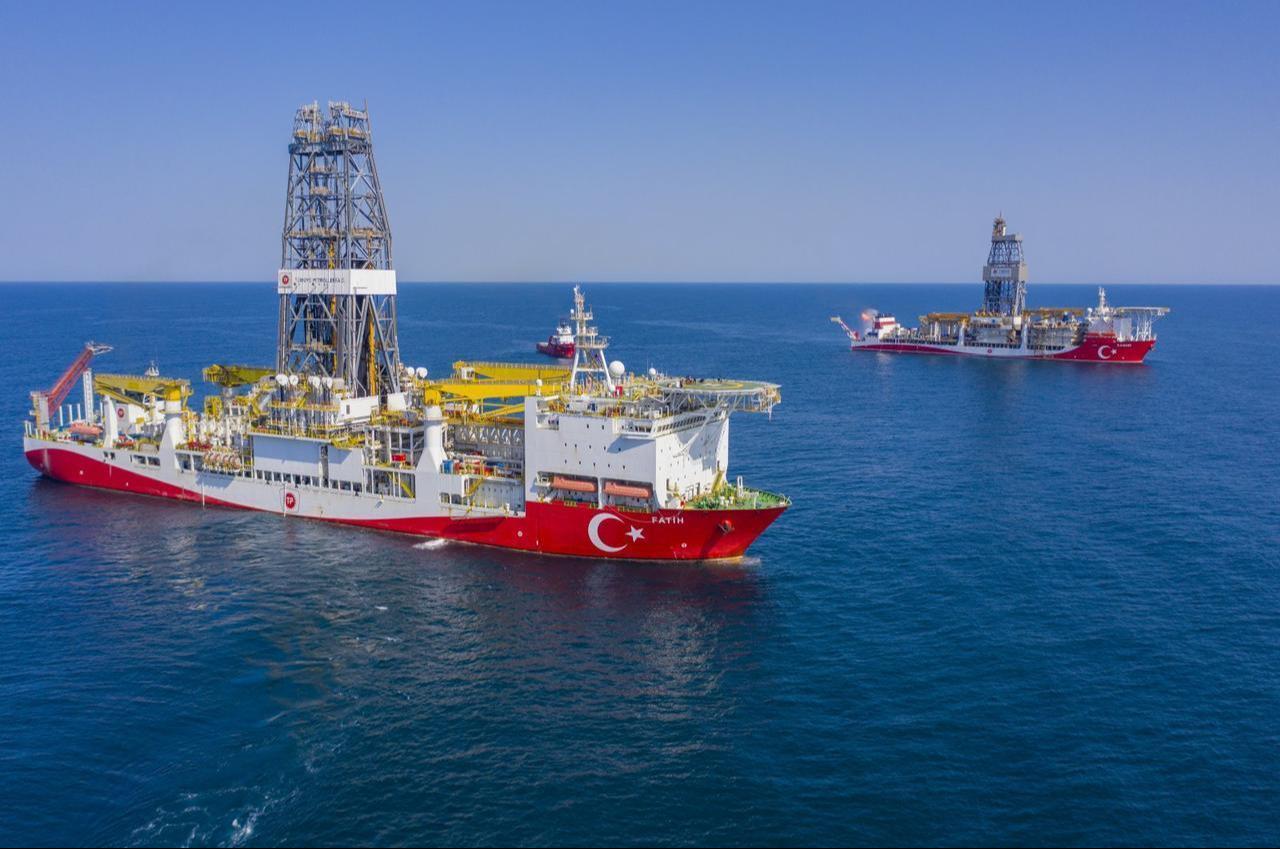
Türkiye’s state-run oil and gas company, Turkish Petroleum (TPAO), is projected to reach a daily production level of approximately 500,000 barrels by 2028, based on current reserves, Energy and Natural Resources Minister Alparslan Bayraktar said on Monday.
Speaking to local media, Bayraktar outlined a broader goal of transforming TPAO into a company capable of producing 1 million barrels of oil and natural gas per day through mergers, acquisitions, and new exploration efforts.
"Our goal is for TPAO to write a new growth story through mergers and acquisitions," Bayraktar said.
Describing 2026 as a "very active year" for energy, Bayraktar said it will be a key period for launching and evaluating flagship initiatives. "We have very ambitious programs already underway, and 2026 is the year when we will begin to see results," he stated.
Bayraktar emphasized plans to begin drilling operations in Pakistan in 2026 and has completed seismic work in Somalia, with a drilling campaign there also slated for next year. The ministry is also evaluating energy assets in Iraq, Syria, and Azerbaijan, he noted. The minister added Turkmen gas imports could rise to as much as 3 billion cubic meters, adding that Türkiye aims to increase intake through ongoing negotiations. Türkiye is also interested in a gas field project in Iraq, where its pipeline infrastructure already extends to the border.
Domestic natural gas currently meets the annual needs of 4 million households in Türkiye, and this figure is expected to rise to 8 million homes by 2026 as production from the Black Sea Sakarya gas field increases from 9.5 million to 20 million cubic meters per day, Bayraktar indicated.
He also announced plans for Türkiye’s first horizontal drilling campaign for shale oil in Diyarbakir in 2026, with 24 such wells planned. A similar project will be launched in the Thrace region to target shale gas resources.

Bayraktar also reported progress on Türkiye’s gold mining operations in Niger, stating that work is underway at seven gold fields, three of which have already reached production-ready status. He noted that the necessary equipment has arrived in neighboring Nigeria and is scheduled to be transported to Niger, with initial gold output expected within the coming months.
On rare earth elements (REEs), Bayraktar described them as a strategic priority within Türkiye’s broader resource development agenda, citing their essential role in technologies such as electric vehicles, wind turbines, and electronics.
He announced that construction is scheduled to begin in 2026 on a large-scale REE processing facility in Beylikova, a district in the central province of Eskisehir, with an annual capacity of 570,000 tons. The facility is designed to improve Türkiye’s capacity to produce higher-grade materials by increasing the current purity level of 92–93%, with ongoing work aimed at reaching quality standards suitable for both domestic industrial use and international export.


 Set as preferred source
 Set as preferred source


 1 min read
 1 min read