Newsletters


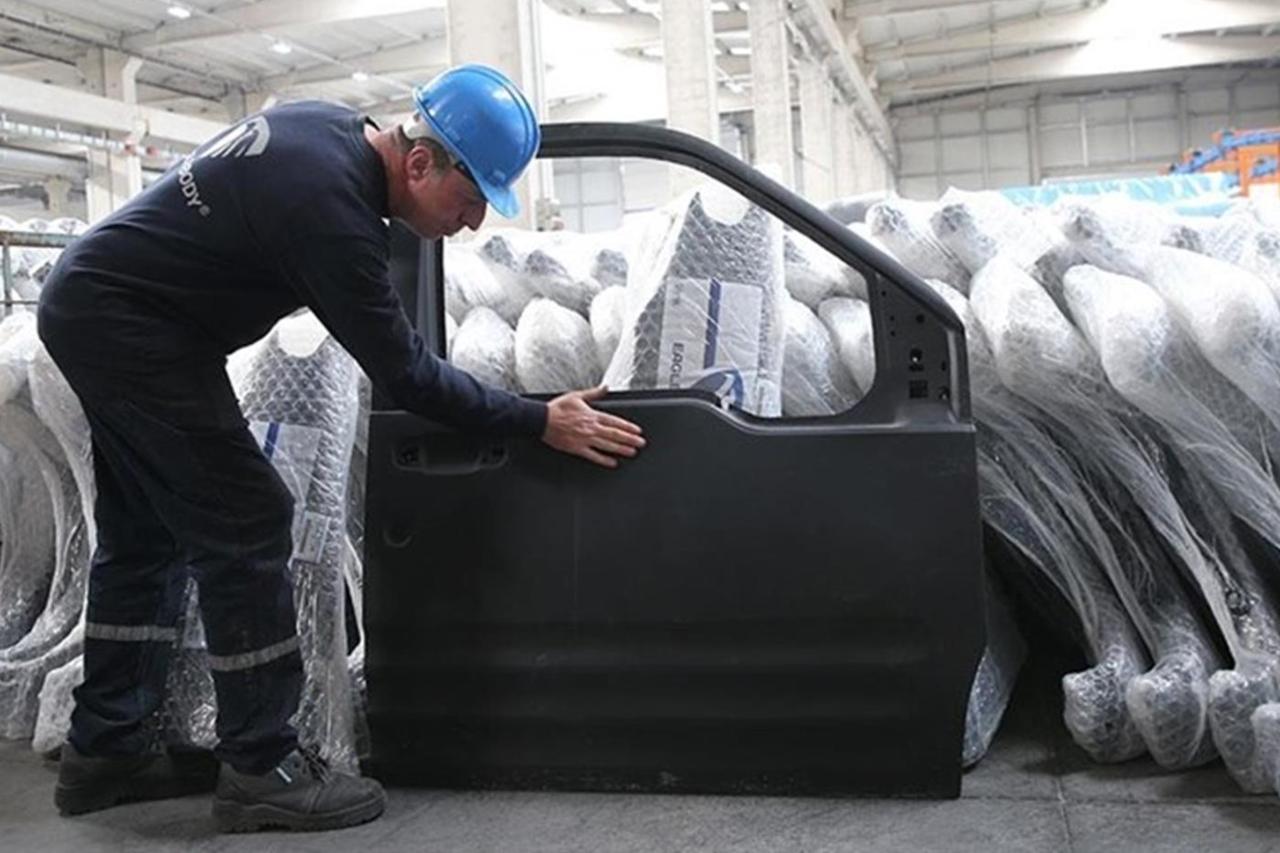


Turkish automotive suppliers are reorienting toward new industries and project types as they contend with mounting cost pressures and fierce international competition, according to a recent survey conducted by the Automotive Suppliers Association of Türkiye (TAYSAD) in partnership with EY-Parthenon.
The annual competitiveness survey, unveiled at TAYSAD’s year-end member meeting, outlines key structural challenges, most notably high labor costs, exchange rate volatility, and difficulties accessing credit, as the sector’s primary obstacles heading into 2026.
"Turkish automotive suppliers are actively seeking new projects," said EY-Parthenon Türkiye Partner Cem Camli. "Despite recent gains, the fact that most lost projects are shifting to countries like China, Poland, Czechia, India, and Romania underscores how intense global competition has become."
While Turkish suppliers recorded an 11-point rise in newly acquired product projects over the past 12 months, the composition of those wins reveals a strategic pivot. According to the survey, 34% of the projects target internal combustion engine vehicles, 26% focus on electric vehicles, and 13% are related to hybrid systems. Crucially, 27% of new wins fall outside the automotive industry entirely, signaling a growing trend toward diversification as companies seek to mitigate sector-specific risks.
The results reflect a broader shift in global automotive demand, prompting Turkish suppliers to diversify into non-automotive sectors and adjust their offerings amid accelerated timelines and cost advantages from Chinese manufacturers, the findings reveal.
The survey also captured firms’ cautious optimism about export growth in 2026. Among respondents, 34% expect their exports to rise over the next 12 months, while 27% anticipate a decline. Overall, 43% of participating companies currently derive more than half of their sales from foreign markets—a testament to the sector’s strong international footprint.
Even as capacity utilization dipped in 2025, 32% of TAYSAD members plan to invest in new capacity in the coming year. Investment intentions are concentrated in core subfields: 15% in internal components, 11% in powertrain systems, 11% in chassis, and 8% in body parts.
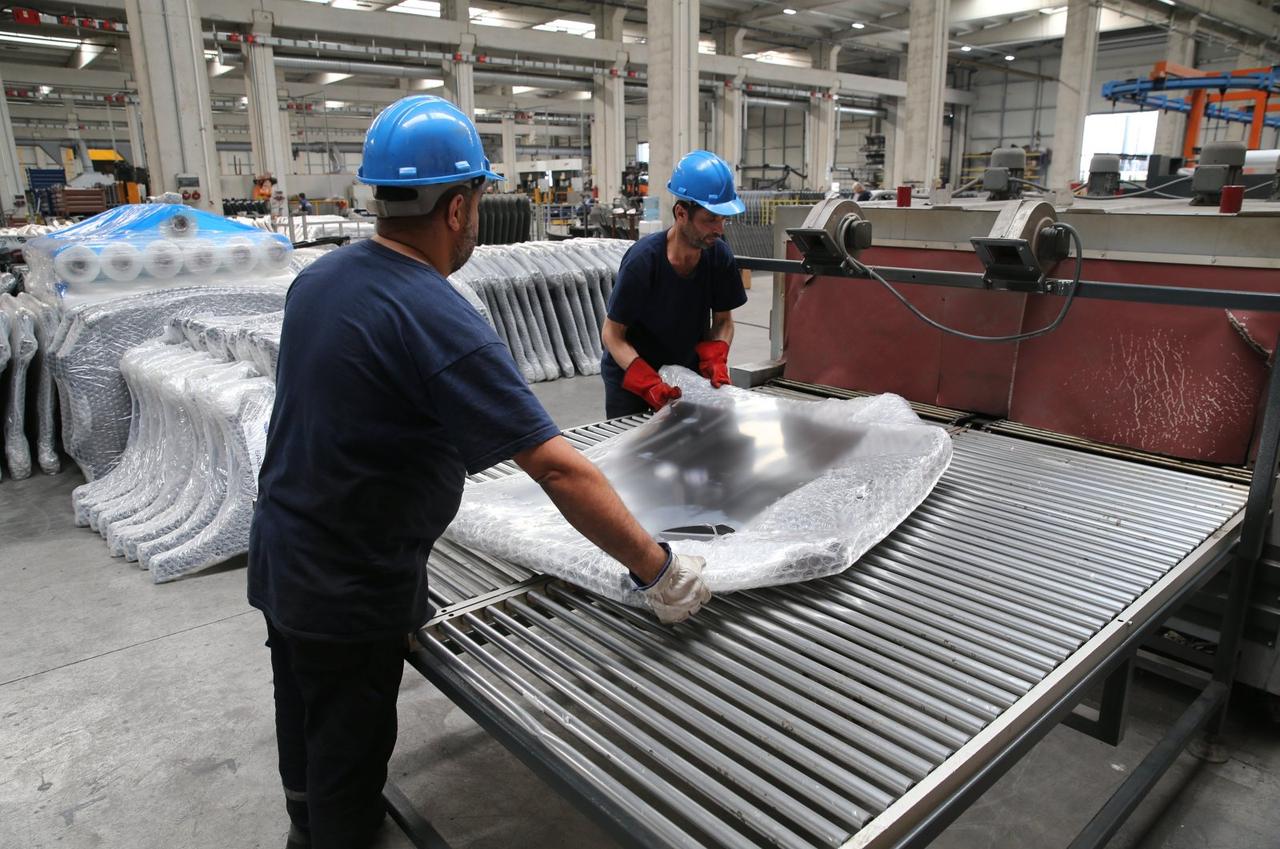

Survey findings suggest that the financial constraints are not isolated issues but systemic pressures that affect operational planning, investment appetite, and international positioning. Many firms are finding it increasingly difficult to balance production costs while maintaining price competitiveness in global markets.
Despite these headwinds, TAYSAD officials emphasized that the sector has shown notable resilience. Türkiye’s automotive supply industry continues to sustain a strong export orientation, with 43% of surveyed companies reporting that more than half of their total sales come from international markets. Total exports reached $14.47 billion in the first 11 months of 2025, up from $13.74 billion in 2024.
However, the survey shows that despite a decline in capacity utilization in 2025, 32% of TAYSAD members plan to invest in new capacity in 2026, focusing on internal parts, powertrain systems, chassis, and body components, indicating a cautious but forward-leaning approach.


 Set as preferred source
 Set as preferred source


 1 min read

 1 min read