Newsletters


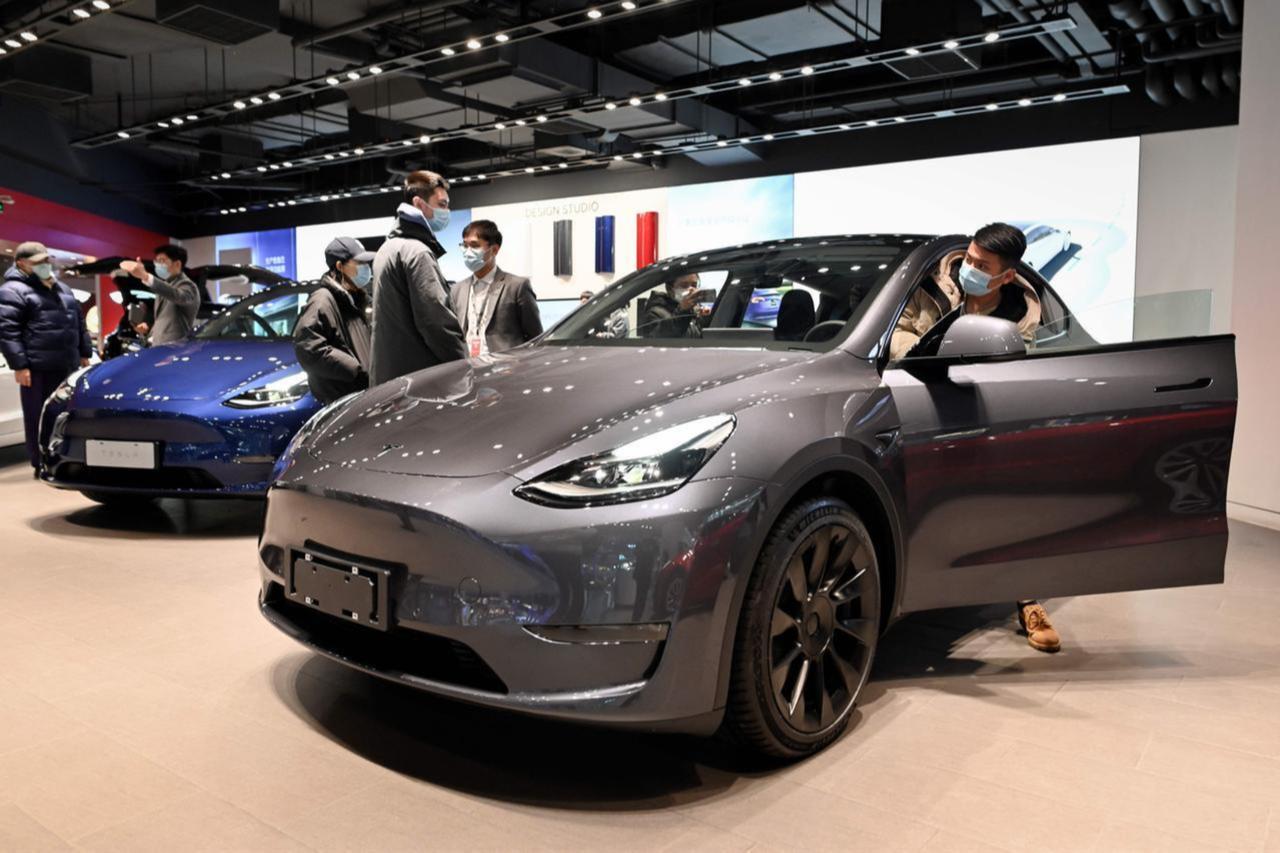


U.S. President Donald Trump announced Friday he intends to raise tariffs on European Union cars and trucks to 25 percent next week, accusing the bloc of failing to honor a bilateral trade agreement struck last summer that had capped auto duties at 15 percent, well below the 25-percent levies applied to many other trading partners.
Trump made the announcement on his Truth Social platform. "Based on the fact the European Union is not complying with our fully agreed to Trade Deal, next week I will be increasing Tariffs charged to the European Union for Cars and Trucks coming into the United States," he wrote.
The existing 15-percent auto tariff was part of a sector-specific arrangement and was not among the duties struck down by a Supreme Court ruling earlier this year that invalidated a broad set of Trump's global levies.
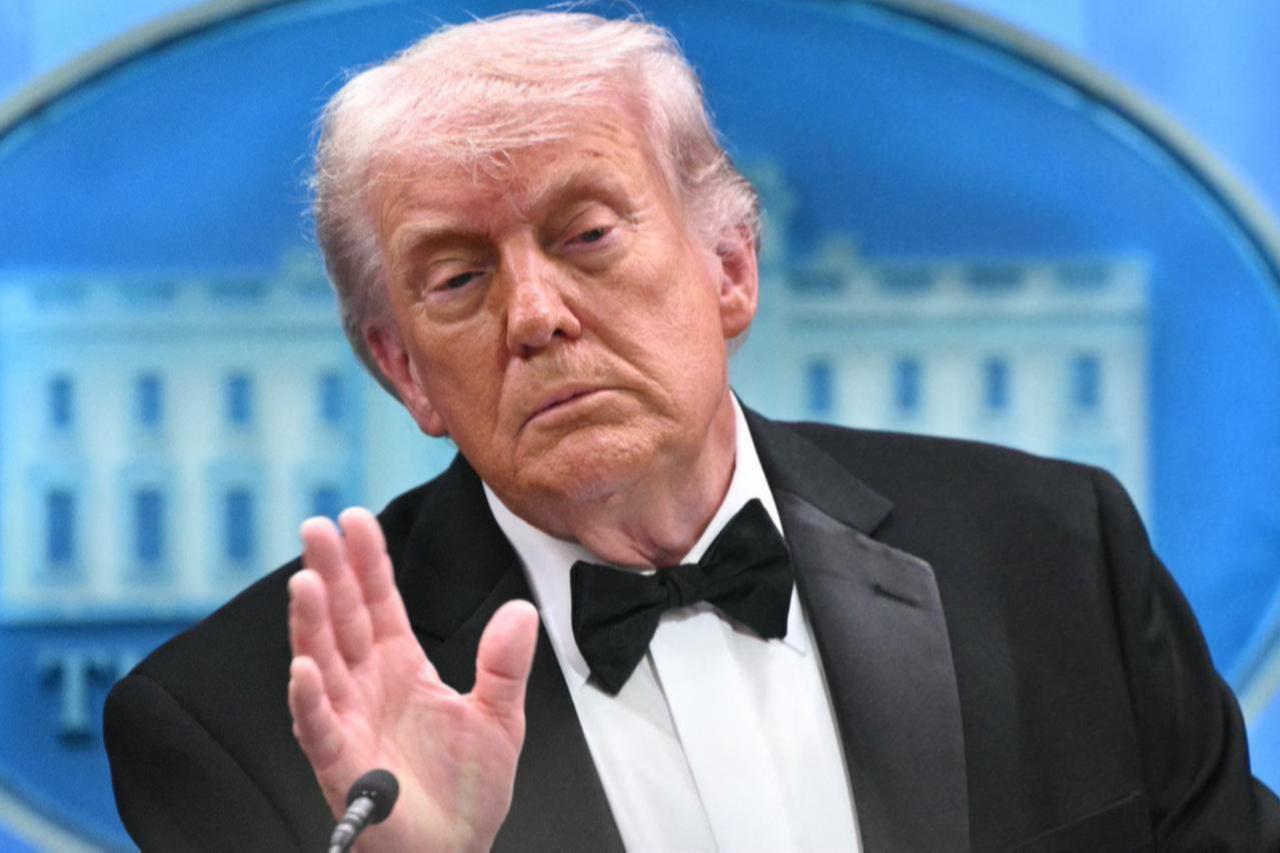

Speaking at an event in Florida later Friday, Trump said the United States had specifically notified Germany of the tariff threat, accusing German automakers, including Mercedes-Benz and BMW, of exploiting American consumers. Germany accounts for a substantial share of EU auto exports, making it particularly exposed to any escalation. German automakers exported roughly 450,000 vehicles to the United States in 2024, according to the VDA industry group, though that figure has since declined.
The move came a day after Trump renewed criticism of German Chancellor Friedrich Merz, telling him to concentrate on ending the war in Ukraine rather than "interfering" on Iran.
The United States is the second-largest market for new EU vehicle exports, trailing only the United Kingdom, with more than a fifth of EU vehicle exports heading to American buyers, according to a 2025 fact sheet from the European Automobile Manufacturers' Association.
The European Commission responded cautiously. A Commission spokesperson told AFP the bloc is implementing its commitments "in line with standard legislative practice" and keeping the Trump administration informed throughout the process. "Should the US take measures inconsistent with the joint statement, we will keep our options open to protect EU interests," the spokesperson said.
Last July, the EU had already drawn up a list of American goods that could be targeted for retaliation if trade talks with Washington collapsed.
In late March, EU lawmakers approved the tariff deal with conditions, agreeing to reduce EU duties on some US imports as a first step toward implementing the 2025 agreement, while also seeking additional safeguards. The deal still requires negotiation with individual EU member states before it can take effect across the bloc.
Wendy Cutler, a former US trade official and now senior vice president at the Asia Society Policy Institute, said Trump appeared to be "hoping to light a fire under Brussels to accelerate its domestic procedures," adding that the move echoed a similar pressure campaign against South Korea months earlier.
The renewed tariff threat rattled small business advocates. Dan Anthony, who heads We Pay the Tariffs, a coalition of nearly 1,200 small businesses, said the latest announcement illustrated why companies remain on edge. "You never know what might trigger the next tariff threat," he said.
In April, EU trade chief Maros Sefcovic traveled to Washington for meetings with US Commerce Secretary Howard Lutnick and trade envoy Jamieson Greer. Sefcovic said at the time that talks were moving in a positive direction, while also pressing for progress on easing the impact of US steel tariffs.


 Set as preferred source
 Set as preferred source


 1 min read
 1 min read