Newsletters


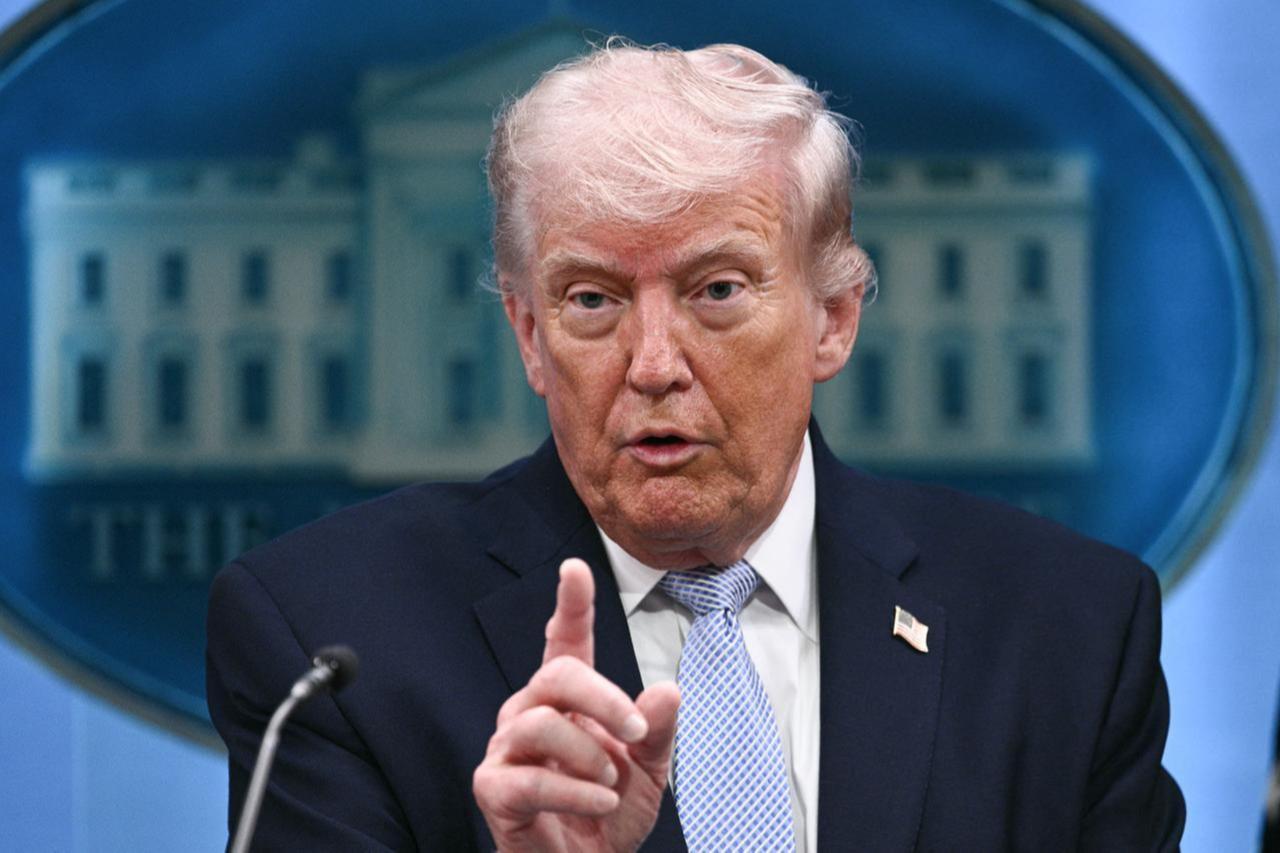


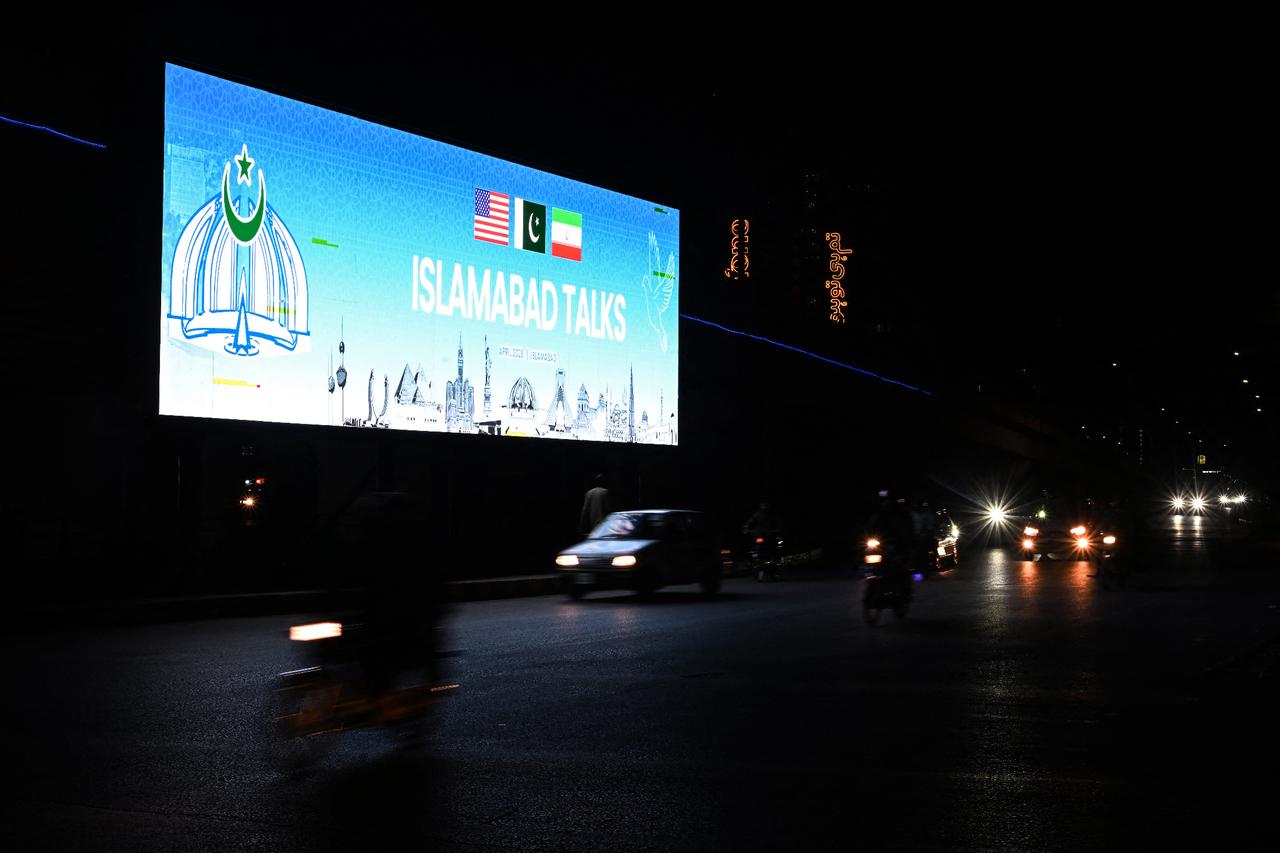
U.S. President Donald Trump threatened China with a 50% tariff on its exports to the United States if Beijing provides military assistance to Iran following the order of U.S. Navy to blockade the Strait of Hormuz on Sunday, after peace talks between American and Iranian delegations broke down in Islamabad.
The announcements followed the failure of negotiations in Pakistan, the highest-level diplomatic contact between Washington and Tehran since the 1979 Islamic Revolution, over Iran's refusal to abandon its nuclear program. The conflict, now six weeks old, began when the United States and Israel launched strikes on Tehran and killed Iran's Supreme Leader Ali Khamenei.
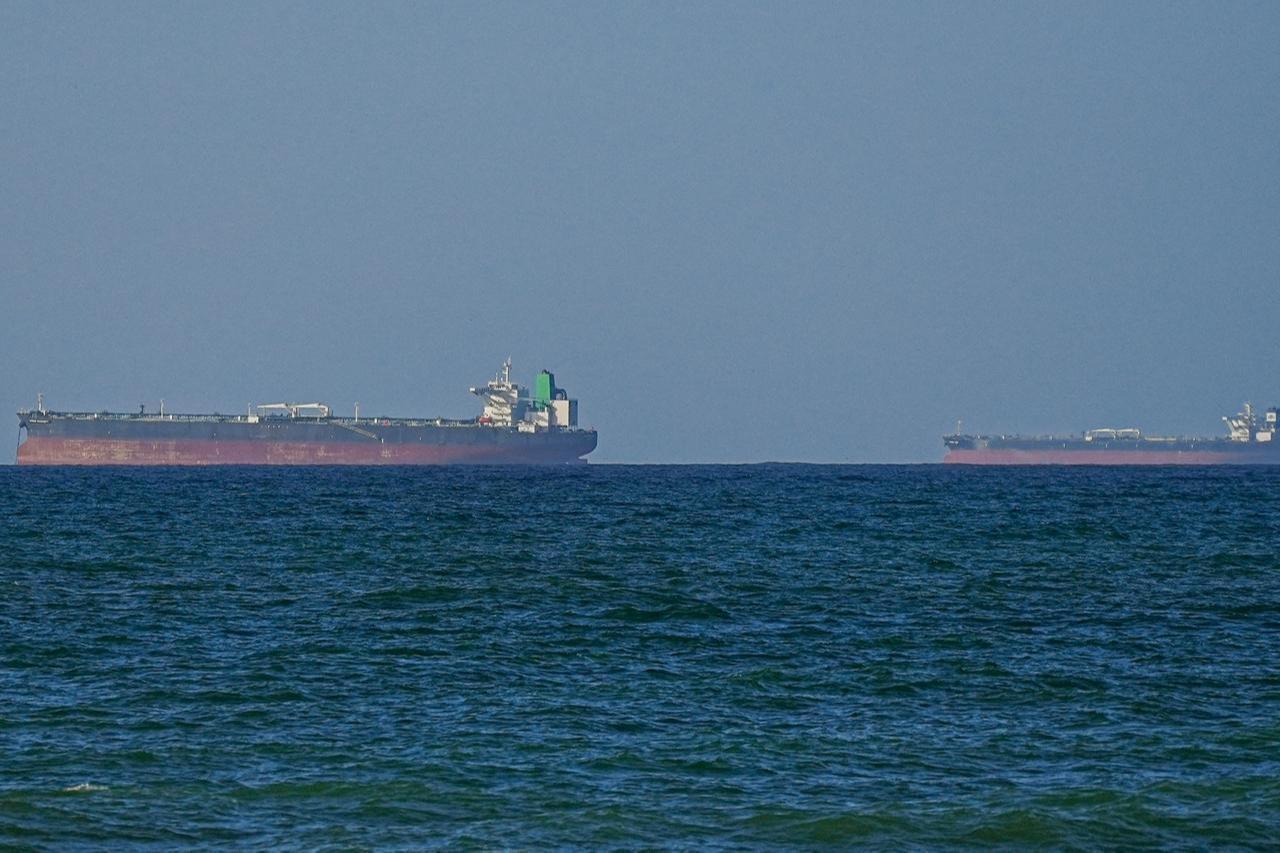

In a post on his social media platform, Trump declared that the U.S. Navy would blockade all vessels attempting to enter or leave the Strait of Hormuz, a key route for oil, gas and fertilizer shipments from the Gulf to world markets. He said his ultimate goal was to reopen the waterway to all shipping, but that Iran could not be permitted to profit from its existing restrictions on passage.
Iran had been selectively restricting traffic through the strait, allowing vessels from countries it considers friendly, including China, to pass while blocking others. There have been unconfirmed reports that Tehran planned to charge tolls on shipping.
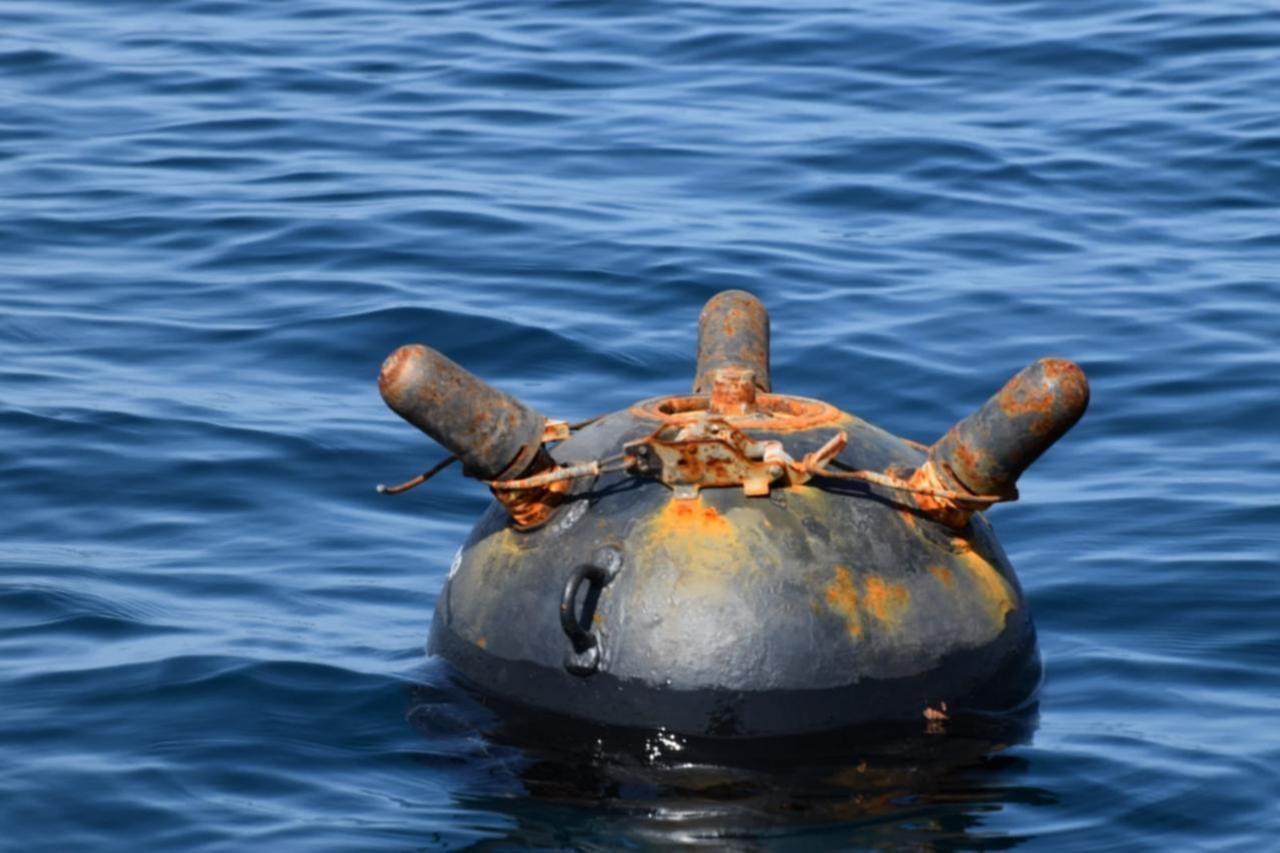
Trump described this as extortion and said the Navy would also interdict any vessel found to have paid tolls to Iran, and would begin clearing Iranian-laid mines from the waterway. He said other countries would join the naval cordon but did not identify them.
Iran's Revolutionary Guards responded that they held full control over traffic in the strait and would draw any challenger into what they described as a deadly trap.
Speaking later to Fox News, Trump said China would face a 50% tariff on goods entering the United States if Beijing were caught providing military support to Iran. "If we catch them doing that, they get a 50% tariff, which is a staggering amount," he said. He also said the United States could destroy Iran's energy infrastructure, including electricity generating plants, within a single day.
Trump is scheduled to visit Beijing next month for talks with President Xi Jinping, a summit already delayed because of the conflict. China had been among the countries permitted passage through the Strait of Hormuz under Iran's selective access arrangement.
The negotiations in Pakistan were led on the American side by Vice President JD Vance, White House envoy Steve Witkoff and presidential son-in-law Jared Kushner. They broke down over Iran's refusal to give up its nuclear program, which Tehran says serves peaceful civilian purposes but which Western governments believe conceals a weapons pursuit.
Vance, departing Pakistan, said Washington had presented Tehran with its "final and best offer." Iran's parliamentary speaker Mohammad Bagher Ghalibaf, who led Tehran's delegation, said his side had put forward constructive proposals but that the opposing delegation had been unable to earn Iranian trust in this round.
 1 min read
Pakistan, which hosted the talks, said it would continue facilitating dialogue. Foreign Minister Ishaq Dar said it was imperative that both parties uphold their ceasefire commitments.
British Prime Minister Keir Starmer spoke with Sultan Haitham bin Tariq of Oman, with both agreeing that continuation of the ceasefire and avoidance of further escalation were vital.
The European Union said diplomacy was essential to securing peace and praised Pakistan's mediation role. Russian President Vladimir Putin contacted Iranian President Masoud Pezeshkian to offer Moscow's assistance, with the Kremlin saying Putin had expressed readiness to help facilitate a political and diplomatic resolution and work toward a lasting peace.


 Set as preferred source
 Set as preferred source


 1 min read