

 Newsletters


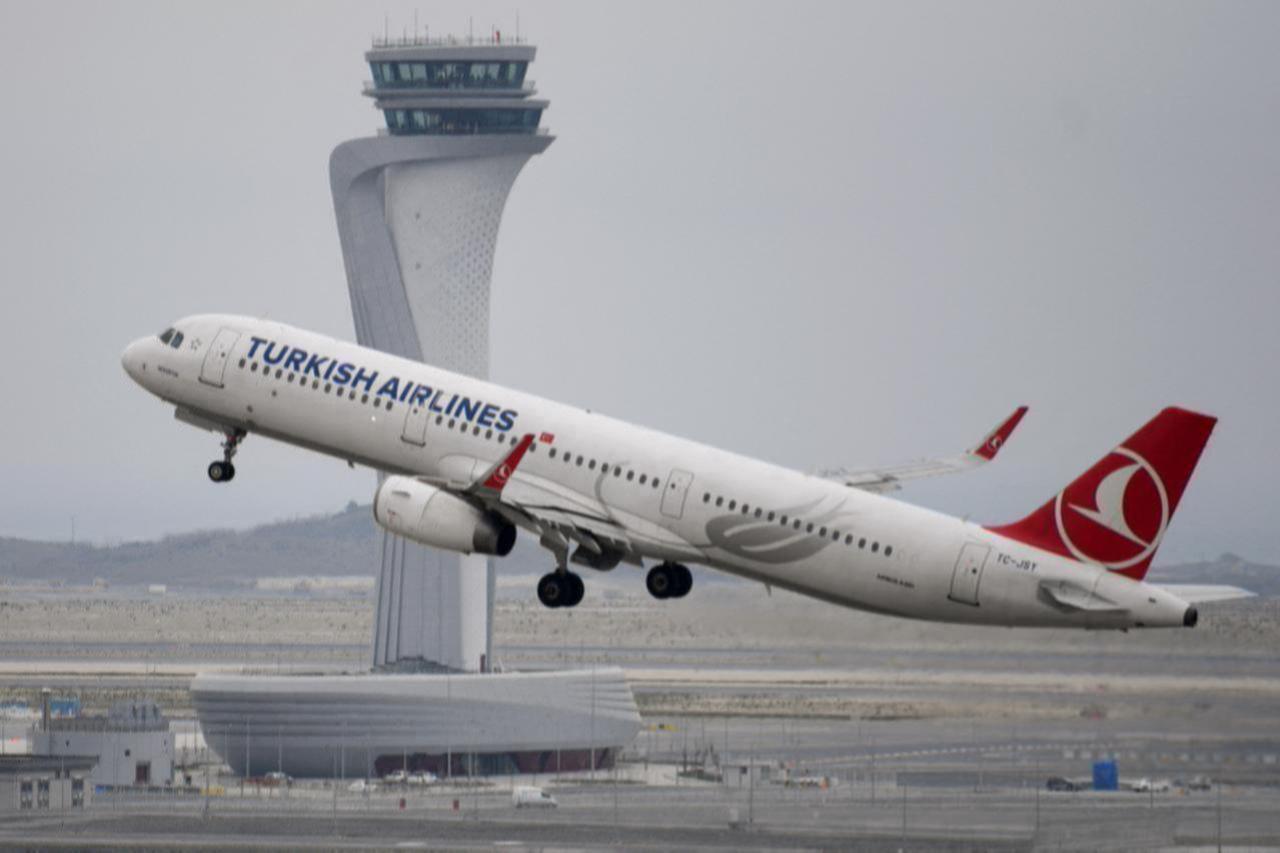


Turkish Airlines announced it will restart service to Damascus, Beirut and Amman on May 1, ending a two-month suspension triggered by the outbreak of U.S. and Israeli military strikes against Iran and the wave of regional airspace closures that followed.
The airline posted the resumption date on its official website, marking the first confirmed return of service to those three destinations since flights were grounded on Feb. 28, when coordinated American and Israeli strikes on Iran prompted at least eight countries, including Iraq, Jordan, Qatar, Bahrain, Kuwait and the United Arab Emirates, to shut their airspace. Syrian aviation authorities also closed the country's southern air corridors that day.
The scope of the Feb. 28 shutdowns was immediate and sweeping. Turkish Airlines initially announced cancellations to Lebanon, Syria, Iraq, Iran and Jordan through March 2, while also halting flights the same day to Qatar, Kuwait, Bahrain, the UAE and Oman.
The airline's communications vice president, Yahya Ustun, said at the time that airspace developments were being monitored in real time and warned that further cancellations could follow.
Aviation monitor Cirium reported that roughly 24 percent of flights to the Middle East were cancelled on the day strikes began.
Turkey's low-cost carriers were similarly affected. Ajet suspended flights to Iran, Iraq, Syria and Lebanon, while Pegasus Airlines halted routes to Iran, Iraq, Jordan, Lebanon and a string of Gulf destinations. The disruptions proved far more prolonged than initially anticipated.
Türkiye's Transport Minister Abdulkadir Uraloglu announced in early March that cancellations had been extended through March 9, with Turkish Airlines separately removing Iran from its schedule through March 20. Suspensions were later extended through the end of April as the conflict and associated airspace restrictions persisted.
 1 min read
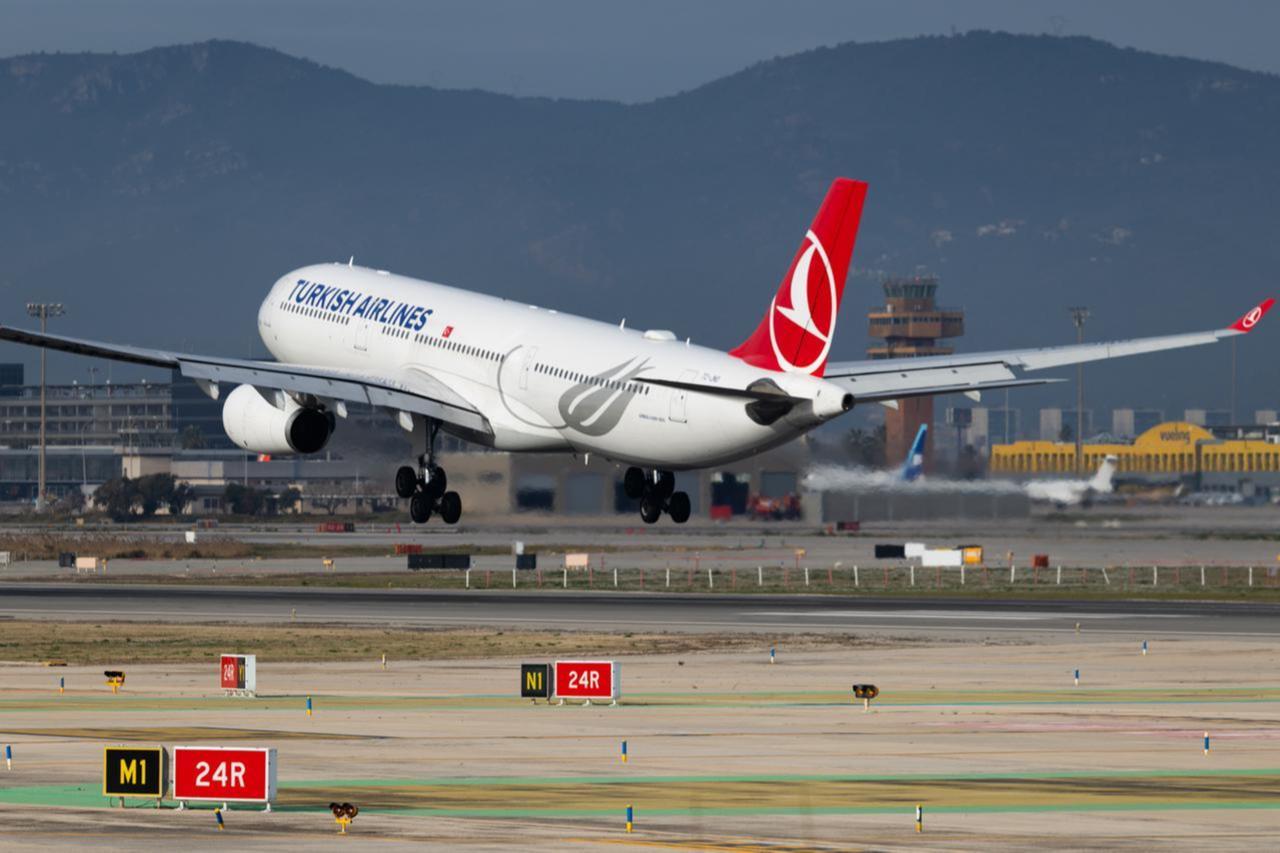
The three routes being restored carry particular significance. Turkish Airlines only relaunched Damascus service in January 2025, following the fall of Bashar al-Assad's government in December 2024 after more than a decade of civil war.
That resumption, conducted three times weekly, made the carrier one of the first major international airlines to serve the Syrian capital after the regime change, and was seen as an expression of Türkiye's active role in supporting Syria's post-war transition. Ankara had backed the forces that ousted Assad and was the first country to reinstate its embassy in Damascus.
Beirut and Amman, meanwhile, are among the region's busier hubs. Lebanon's capital serves as a transit point for the broader Levant, while Amman connects Jordan's large population of Syrian refugees, Palestinian diaspora and Gulf workers to Istanbul's global network.


 Set as preferred source
 Set as preferred source



 1 min read



