Newsletters


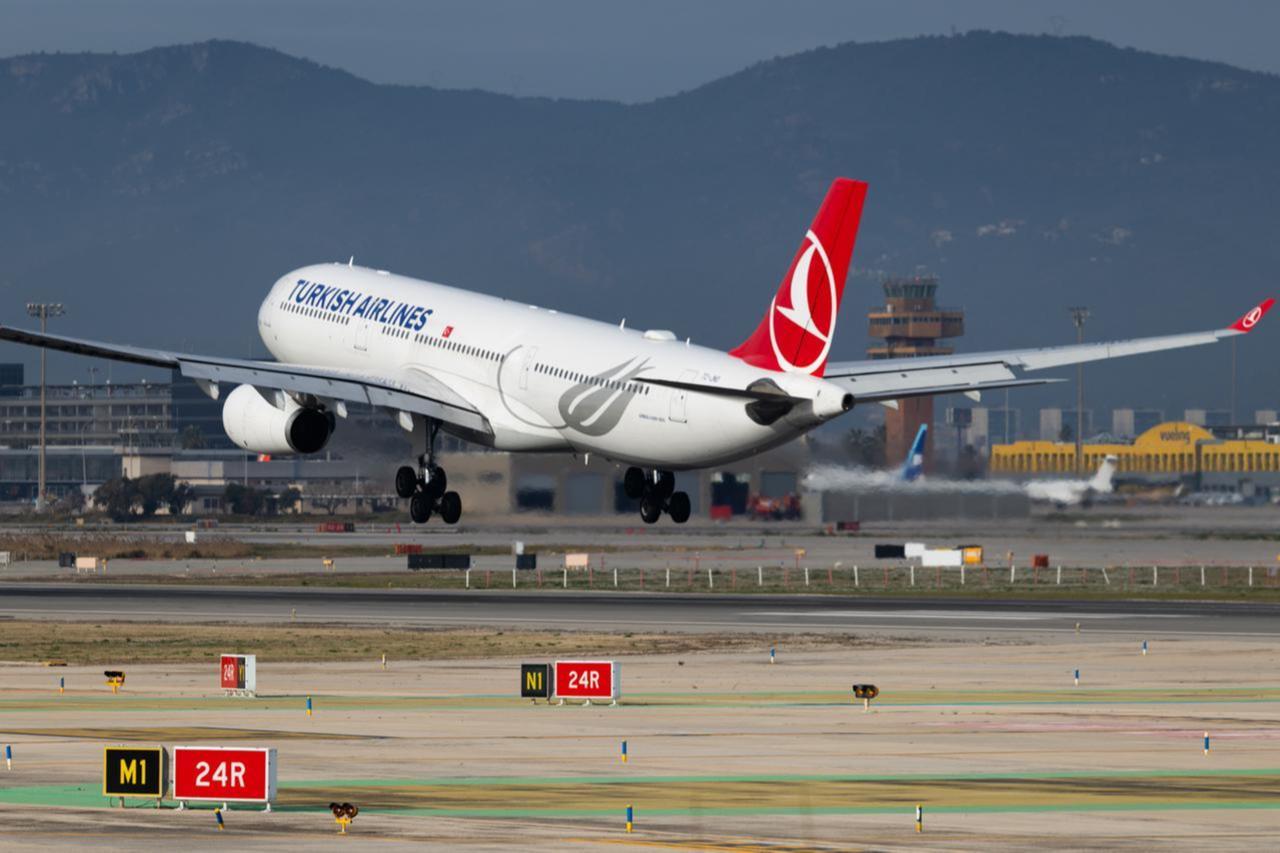


Turkish Airlines on Friday pushed back against reports that it had cancelled flights to Tehran, with the carrier's senior vice president of communications calling the claims circulating on social media false.
"The flight cancellation claims regarding Iran that are circulating on social media do not reflect the truth," Yahya Ustun wrote on X. "We have no flight cancellations. Our flights, which are operated under daytime conditions, continue as planned."
The statement came amid widespread speculation on social media that several Istanbul-Tehran services, including Turkish Airlines flight TK0872, had been grounded on Friday. While flights operated by Iranian carriers ATA Airlines (TBZ6620) and Qeshm Air (QB2214) were reported as cancelled, Ustun's remarks make clear that Türkiye's flag carrier is maintaining its Tehran schedule.
The denial is notable given the volatile backdrop against which airlines have repeatedly pulled services to Iran over the past two months, and underscores the sensitivity surrounding flight operations to the country at a moment of acute geopolitical tension.
The confusion over Friday's flights unfolded a day after the United States and Iran concluded a third round of indirect nuclear talks in Geneva without reaching an agreement. Oman's foreign minister, Badr al-Busaidi, who mediated the discussions, said there had been "significant progress," and the two sides agreed to hold technical-level talks in Vienna next week.
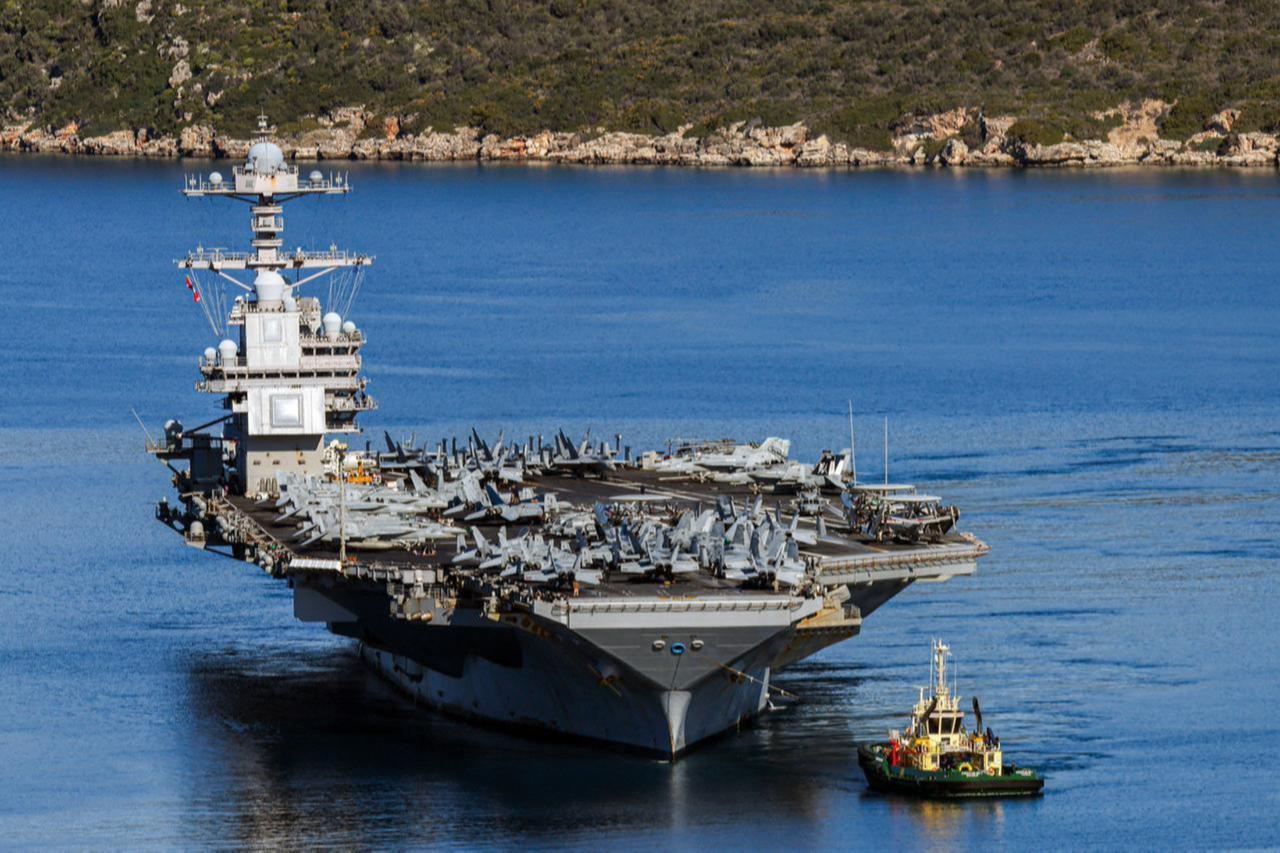
The negotiations took place under the shadow of the largest US military buildup in the Middle East since the 2003 invasion of Iraq. Washington has deployed two carrier strike groups, the USS Abraham Lincoln and the USS Gerald R. Ford, alongside thousands of additional troops to the region. President Donald Trump has given Iran what he described as 10 to 15 days to agree to a deal curbing its nuclear programme, and confirmed he was considering a limited military strike to pressure Tehran.
Iran's Foreign Minister Abbas Araghchi warned before the Geneva talks that any American attack would amount to an act of aggression and that US bases across the region would become targets. CBS News After Thursday's session, Araghchi said the two sides had "identified the main elements of a possible agreement," though deep differences remain over Iran's insistence on retaining the right to enrich uranium domestically.


 Set as preferred source
 Set as preferred source


 1 min read

 1 min read