Newsletters


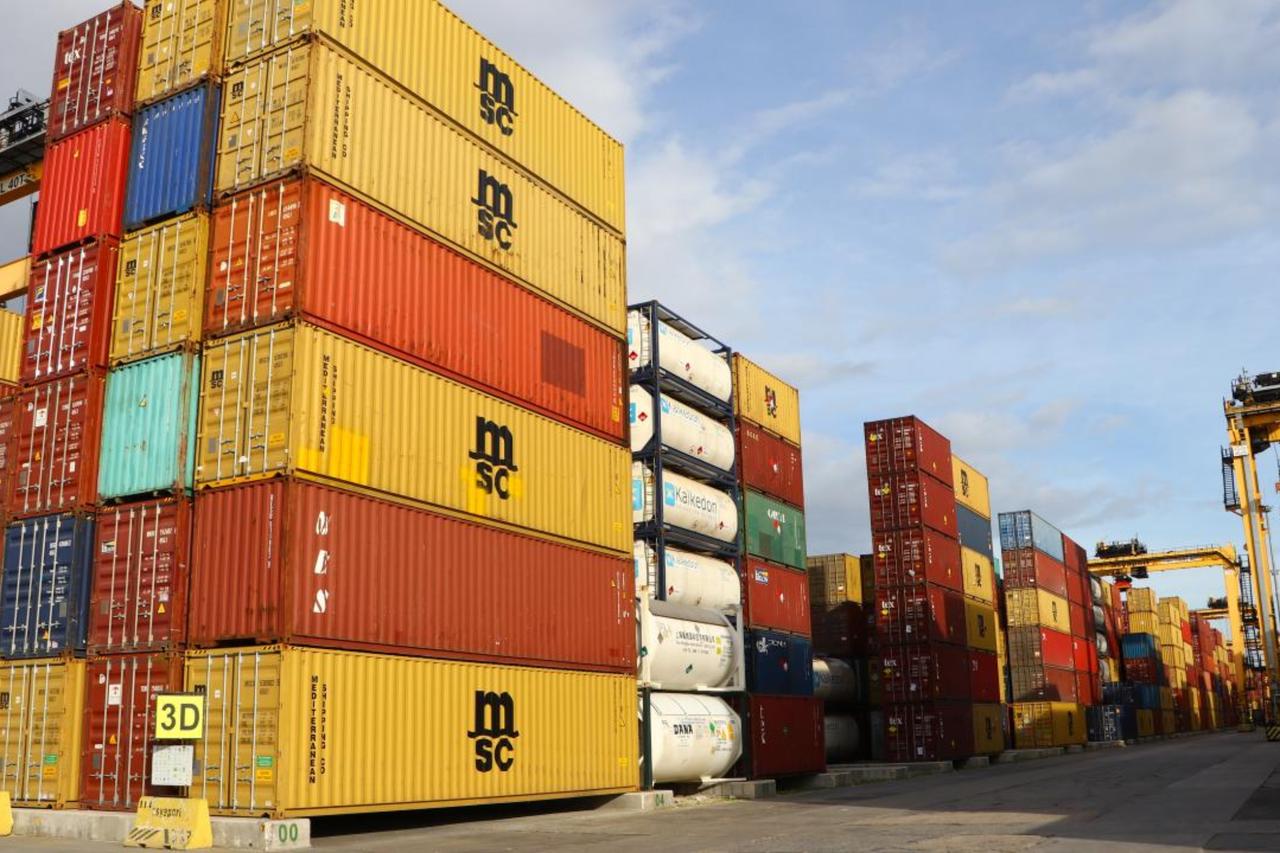


Türkiye has escalated diplomatic efforts with Iraq to address banking and customs disruptions that have halted payments and slowed exports since the start of 2026, urging Baghdad to restore financial flows and ease new customs procedures.
The crisis stemmed from Iraq’s introduction of the ASYCUDA platform and higher customs duties on most imported goods, with rates rising between 5% and 30%. Authorities also shifted container fee calculations from volume-based to value-based assessments, increasing costs for importers.
Turkish authorities formally conveyed the business community’s requests to Iraqi Prime Minister Mohammed Shia al-Sudani through official channels, urging immediate steps to restart financial flows and stabilize cross-border trade, according to local media.
The move marked a second phase of engagement, following earlier talks between Turkish business representatives and Iraqi officials after exporters were left unable to receive payments due to customs changes, tariff hikes, and banking restrictions.
Iraq is Türkiye’s fifth-largest export partner, with shipments averaging about $1 billion per month and totaling $12.34 billion in 2025, down 4.8% from a year earlier. In January, exports fell further by 8.4% year over year to $753.25 million.
In their letter to Sudani, Turkish exporters warned that new customs requirements, introduced without coordination with regional authorities in northern Iraq, have blocked import payments through the banking system.
The disruption has forced importers to turn to informal foreign currency markets, driving up dollar demand and complicating transactions. Exporters also reported a sharp slowdown in shipments, raising concerns over supply shortages and rising prices for essential goods, especially during Ramadan.
Payments for shipments delivered before Jan. 1, 2026, also remain pending after Iraqi authorities placed them under review by a newly formed committee that has yet to begin processing cases. The letter warned that prolonged delays could deepen uncertainty and further disrupt trade.
In the letter, Turkish business leaders proposed three urgent steps: delaying full implementation of the ASYCUDA system by six months, clearing outstanding payments for pre-2026 shipments, and allowing direct dollar transfers from Iraqi banks to their branches in Türkiye, business-focused dunya.com reported.
They also rejected proposals to reroute shipments through Syria, citing security risks and logistical uncertainty, and said existing supply chains must remain intact to avoid further disruption to businesses and consumers.


Although Iraq introduced the ASYCUDA system to modernize customs, cut fraud and improve transparency, the rollout quickly drew anger from the business community. Traders and shop owners staged strikes and protests starting in early February, particularly in Baghdad and other key commercial centers, as the new tariffs and procedures sharply increased import costs.
The platform, backed by the United Nations Conference on Trade and Development (UNCTAD), had been approved years earlier but was only recently put into use as part of the government’s effort to strengthen state revenues and tighten financial oversight.
The changes have slowed activity at ports, where thousands of shipments remain uncleared. About 76,000 containers have accumulated as importers held off on collecting goods due to higher fees and uncertainty, even though Iraqi ports typically process around 2,000 containers a day, local media reported.
Some businesses tried to bypass the new measures by routing goods through northern Iraq, where enforcement was initially limited. But authorities later introduced customs checkpoints along internal routes, forcing traders to pay additional duties and removing that option.
Despite the protests and disruption, Iraqi officials reaffirmed their commitment to move forward with the new system, saying it aims to tighten border controls, curb smuggling and tax evasion, protect public funds and reduce reliance on oil revenues.


 Set as preferred source
 Set as preferred source


 1 min read
 1 min read