Newsletters


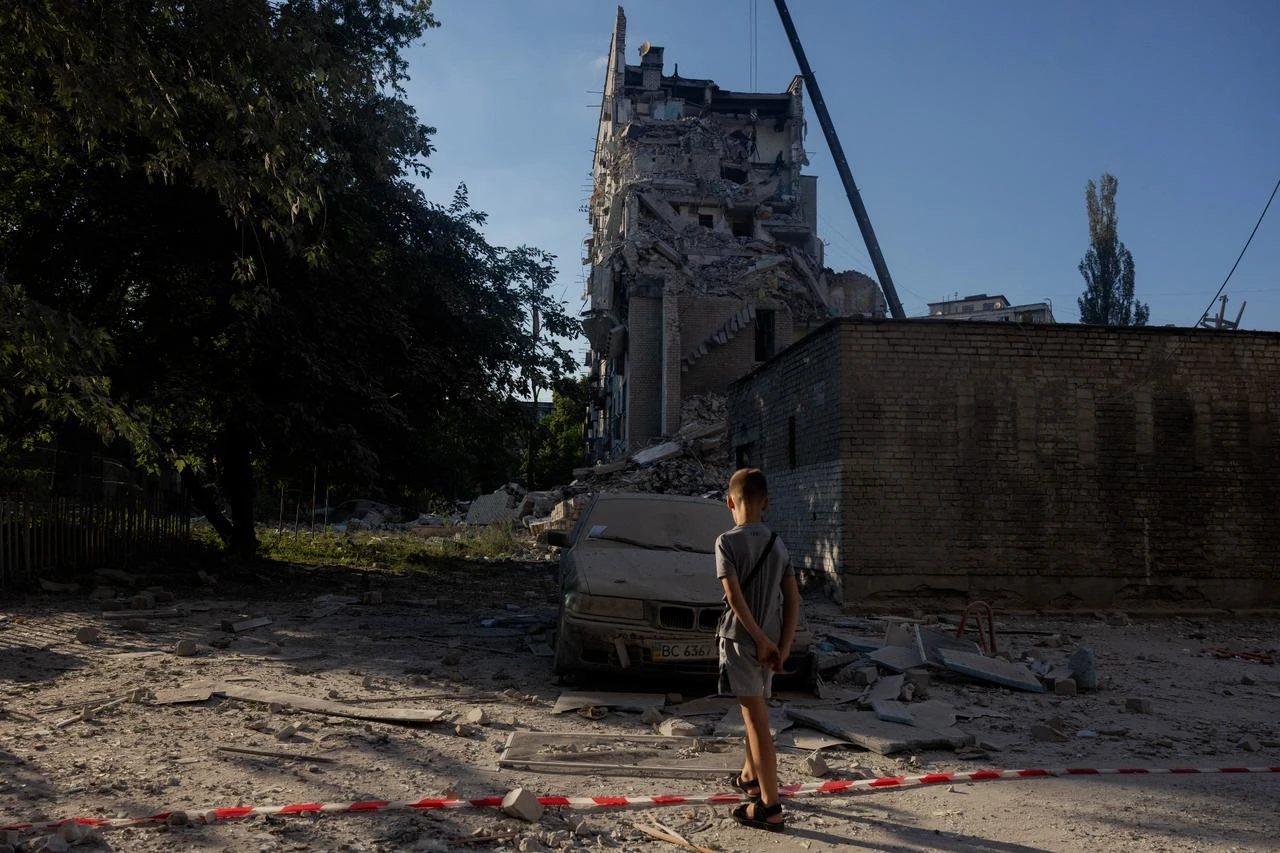


Turkish companies are preparing to play a long-term role in Ukraine's reconstruction, with business representatives highlighting the country's engineering and contracting expertise as the OECD estimates rebuilding and recovery needs will reach $588 billion between 2026 and 2035.
The outlook comes as the OECD released its Infrastructure Policy Review of Ukraine, which called for greater private sector participation, stronger procurement systems and reforms aimed at making reconstruction projects more attractive to investors.
Ukraine's reconstruction is aimed not only at repairing damage caused by the war but also at building a more resilient, sustainable and modern economy, Ziya Uzel, chair of the Foreign Economic Relations Board's (DEIK) Türkiye-Ukraine Business Council, told state-run Anadolu Agency.
He said Turkish contractors are well-positioned to support that effort thanks to their international experience and technical capabilities.
"The Turkish contracting sector, with the projects it has successfully completed across different regions of the world, its strong technical capacity and experience working under difficult conditions, is ready to become one of the most important stakeholders in this process," Uzel said.
Uzel added that Turkish companies are taking a long-term view of Ukraine's recovery and can contribute across infrastructure, transportation, energy, healthcare, education, housing and industrial projects.
He also pointed to the importance of transparent tenders, effective international financing and strong public-private cooperation in supporting reconstruction.
"We believe the strategic partnership between Türkiye and Ukraine will become even stronger during the reconstruction period and create new opportunities for the business communities of both countries," he added.
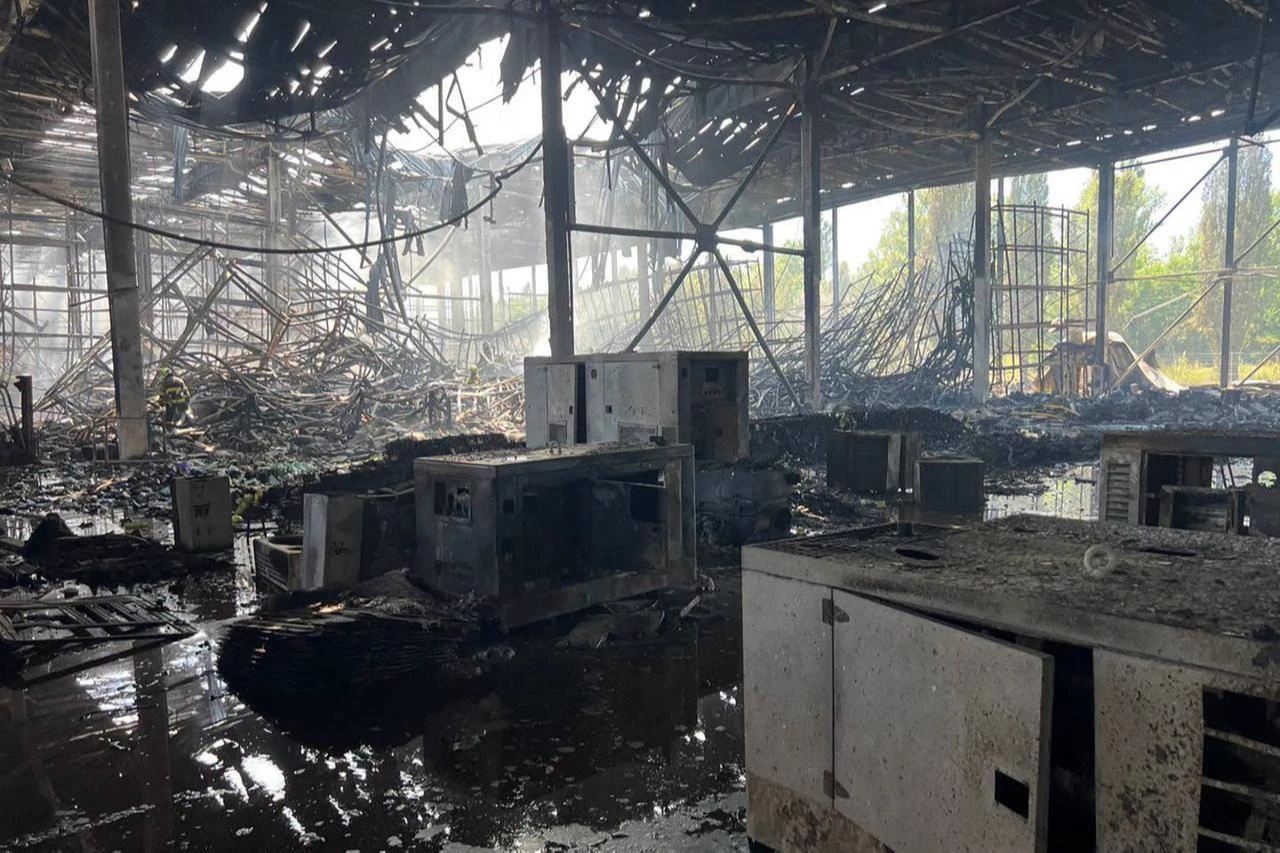

In its report, the OECD argued that Ukraine's recovery depended not only on securing funding but also on improving how infrastructure projects were planned, financed and delivered.
It recommended aligning investments more closely with national priorities, strengthening project preparation and making better use of international financing.
The OECD also urged Ukraine to improve the investment climate and adopt digital project management systems to oversee infrastructure projects from planning through operation.
"Private participation should be expanded selectively," the report said, noting that projects should have credible governance, sound economics and appropriate risk-mitigation measures.
The report asserted that public financing would continue to play a central role in the country's recovery. "Public funding and donor support remain the backbone, but financing capacity must be built around them," it said.
Although Ukraine had maintained macroeconomic stability despite the war, the OECD noted that security risks, fiscal constraints, weaknesses in the financial sector and governance challenges continued to hold back private infrastructure investment.
It recommended pressing ahead with reforms, deepening local financial markets and expanding sustainability and climate resilience standards in line with the European Union.
"Stronger integrity safeguards are not only needed to prevent waste, misappropriation and corruption in public spending. They also support investor confidence, competitive markets, public trust and continued international support," the report said.


 Set as preferred source
 Set as preferred source


 1 min read

 1 min read