Newsletters


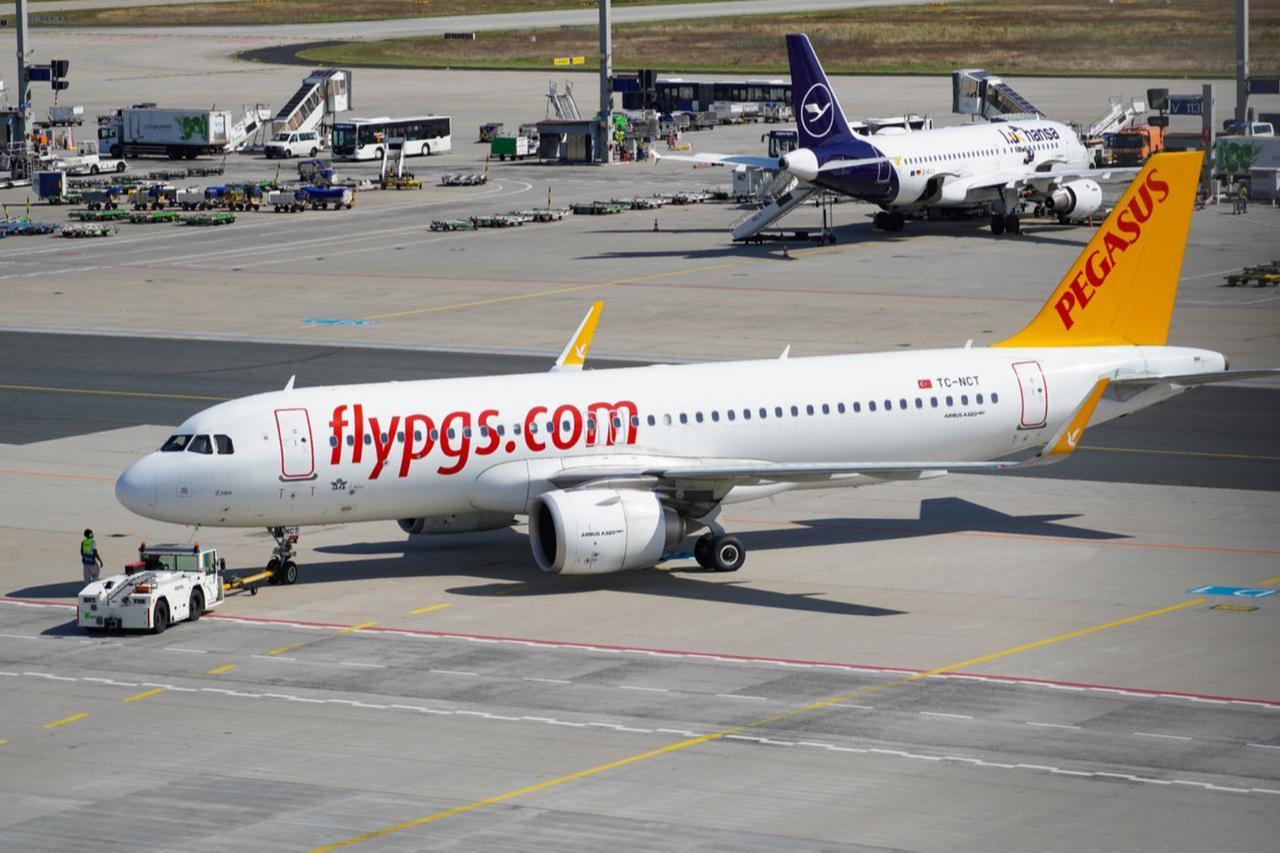


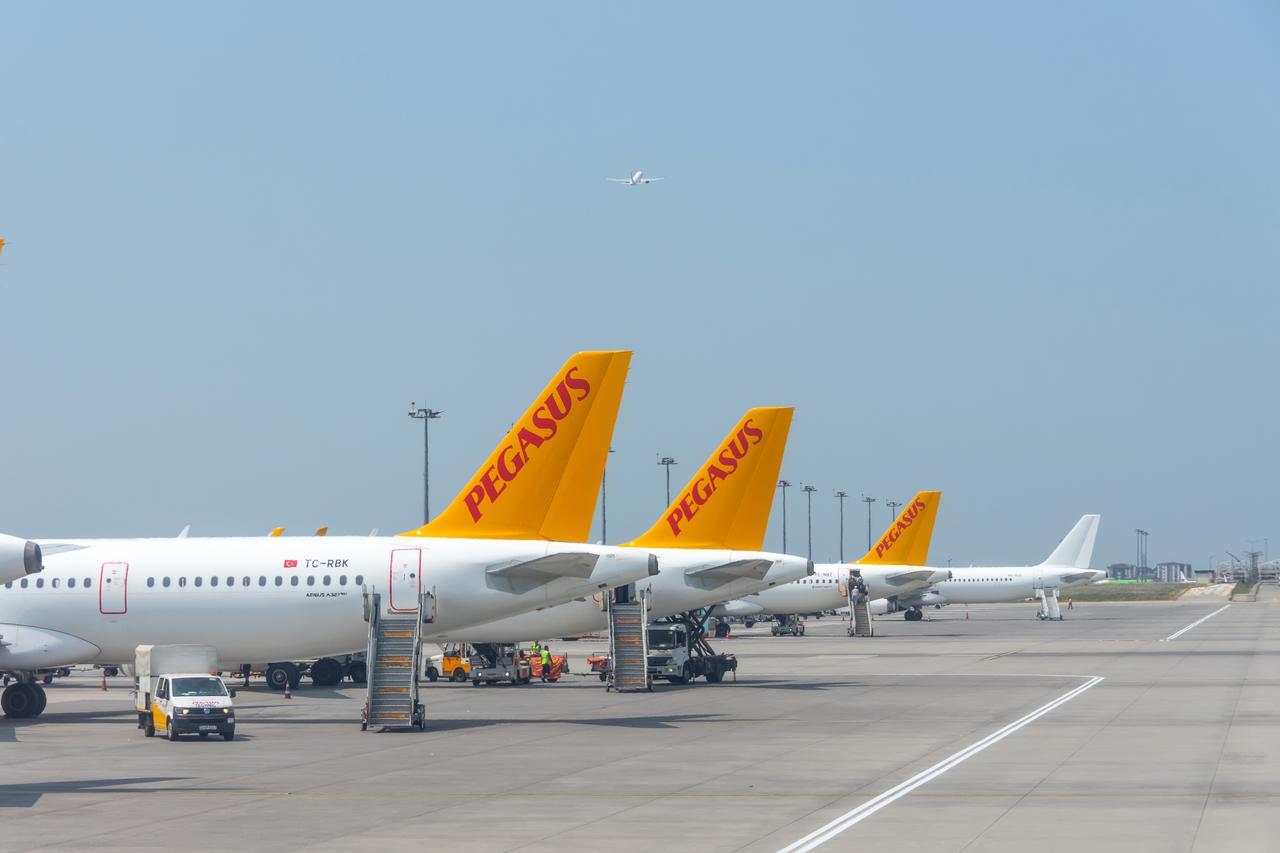
Turkish budget airline Pegasus will add eight Airbus A321neo aircraft to its fleet by 2026, CEO Guliz Ozturk announced, as part of a broader strategy to boost capacity and expand its route network.
The plan also includes the pending integration of Czech-based Smartwings Group, which Pegasus agreed to acquire for €154 million ($181.31 million) in early December, aiming to enhance international reach and operational efficiency.
"This step is a concrete reflection of our international growth vision and will allow us to offer a broader flight network to our guests," Ozturk said. She added that Pegasus will also continue to expand its network across Europe, the Middle East, North Africa, and Central Asia while managing capacity carefully in response to rising costs and maintaining a focus on digitalization, efficiency, and sustainability.
As of the third quarter of 2025, the airline operates 130 aircraft, serving 39 domestic destinations in Türkiye and 118 international routes, reaching a total of 156 destinations in 54 countries.
Between January and November 2025, Pegasus carried close to 40 million passengers, an increase of 15% or 5.3 million compared to the same period last year. Despite growing its seat supply, the airline maintained a high load factor of 87.7%, which Ozturk said reflects the success of its efficiency-focused business model.
"We achieved this growth without compromising on operational efficiency or customer experience," she said.
Demand from European markets fueled international growth, with Germany leading at 3.2 million passengers, followed by the United Kingdom with 1.2 million and Italy with 700,000. Outside Europe, Russia was the top market, with 900,000 passengers.
Key routes included London, Dusseldorf, Cologne, and Vienna, while Tbilisi and Moscow were among the strongest non-European destinations. Newly added international routes accounted for 1% of total international traffic and supported overall network connectivity.
"This success reflects demand-driven network planning and smart capacity allocation," Ozturk said.
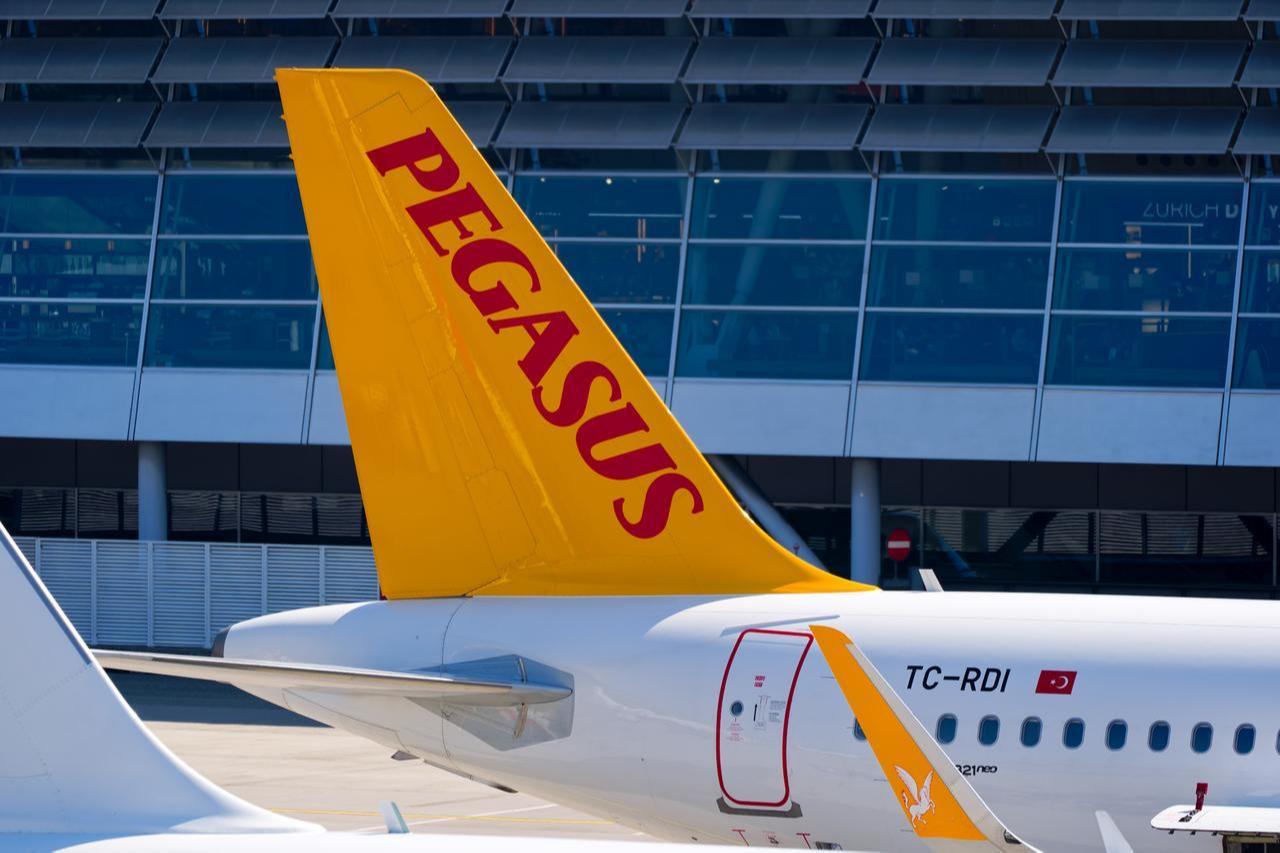

Pegasus operates one of the youngest fleets globally, with an average aircraft age of 4.9 years, CEO Guliz Ozturk said, adding that the company continues to invest in artificial intelligence and digital systems to optimize flight planning, maintenance, and real-time operations.
She noted that these technologies have also enhanced the passenger experience through AI-powered personalization, multilingual in-flight announcements, and upgrades to digital service platforms.
"These tools made us more agile and proactive, allowing us to manage higher volumes with minimal disruption," Ozturk said.
In 2026, Pegasus will continue to scale its network and flight frequencies, while prioritizing resilience over rapid expansion. "Our goal is not only to grow, but to build a resilient and future-ready Pegasus," said Ozturk.
Operating under Esas Holding since 2005, Pegasus generated €2.6 billion ($3.06 billion) in revenue and €286.45 million in net income during the first nine months of the year.


 Set as preferred source
 Set as preferred source


 1 min read
 1 min read