Newsletters


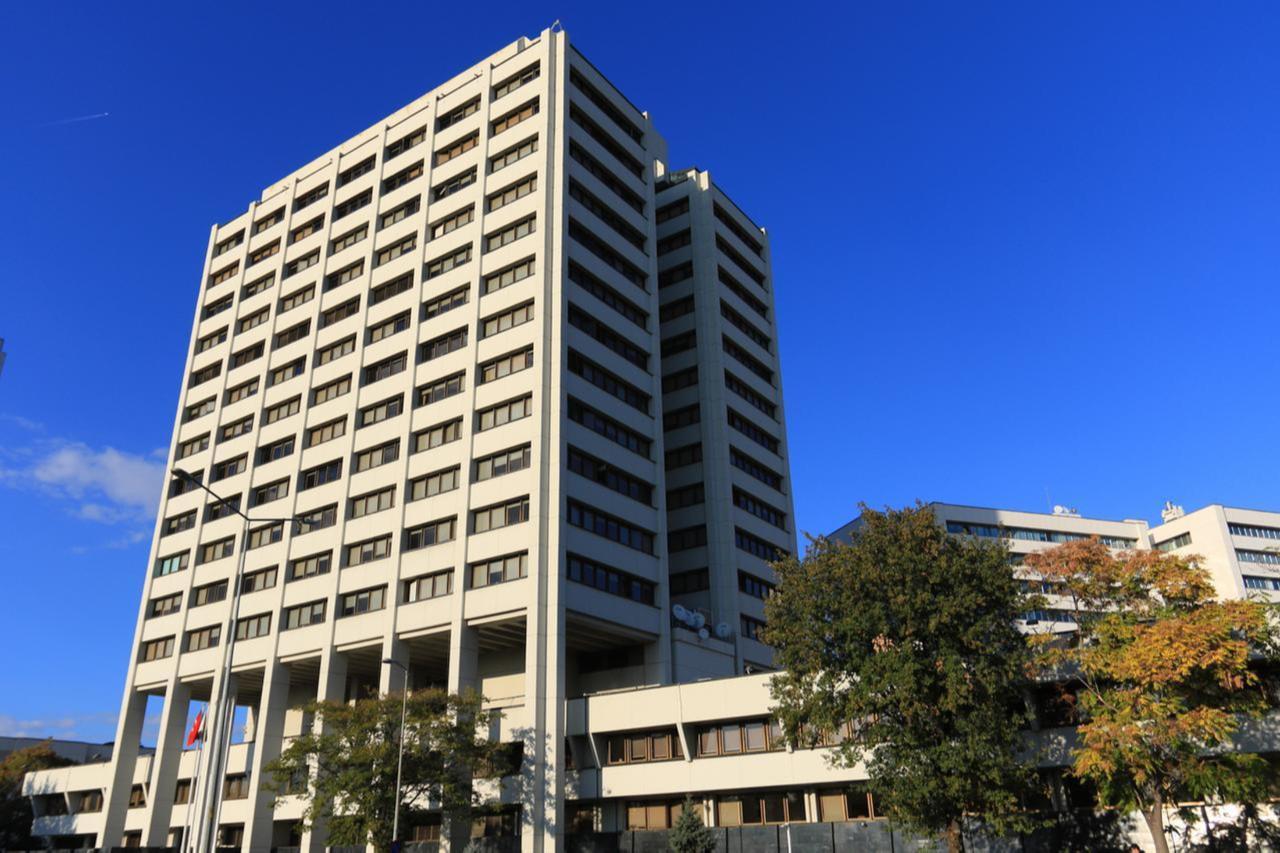


Market participants in Türkiye now expect the Central Bank of the Republic of Türkiye (CBRT) to cut rates by 150 basis points in January, up from the previous forecast of 100 basis points.
The development follows better-than-expected December inflation, which came in at 0.89%, bringing 2025 to 30.89%, expanding the room for further rate cuts for policymakers.
The Turkish central bank’s next Monetary Policy Committee (MPC) meeting, where the policy rate will be set for the upcoming period, is scheduled for Jan. 22.
According to the central bank’s January survey, conducted with 72 participants including sector representatives and professionals, market participants also anticipate that the easing cycle will continue in subsequent meetings with cuts of no less than 100 basis points. The 12-month policy rate expectation also declined to 26.96%.
While expectations for policy easing gained momentum, inflation projections for the near term edged higher. The projected increase in the consumer price index (CPI) for January rose to 3.76%, up from 3.44% in the previous survey round.
Despite the short-term uptick, year-end inflation expectations eased slightly to 23.23%, compared with 23.35% previously.
Looking further ahead, 24-month CPI expectations fell to 16.94%, down from 17.45%, signaling a modest improvement in inflation outlook over the medium term.


Expectations for the Turkish lira also showed limited movement, with the year-end USD/TRY forecast at 51.1693 and the 12-month-ahead projection at 51.8879. USD/TRY rate recently saw its all-time high this week at 43.4355.
Survey participants maintained their growth forecast for 2026 at 3.9%, while the projection for 2027 edged up to 4.3%, exceeding the targets set in the Medium-Term Program.
On the external balance front, participants raised their 2026 current account deficit forecast to $25.6 billion, up from $25.2 billion in the previous survey. Türkiye’s annualized current account deficit reached $23.2 billion as of November, while the cumulative deficit for January–November stood at $18.5 billion. The 2027 deficit is now projected to reach $29.5 billion, reflecting expectations of widening domestic consumption during the easing cycle.


 Set as preferred source
 Set as preferred source


 1 min read

 1 min read