Newsletters


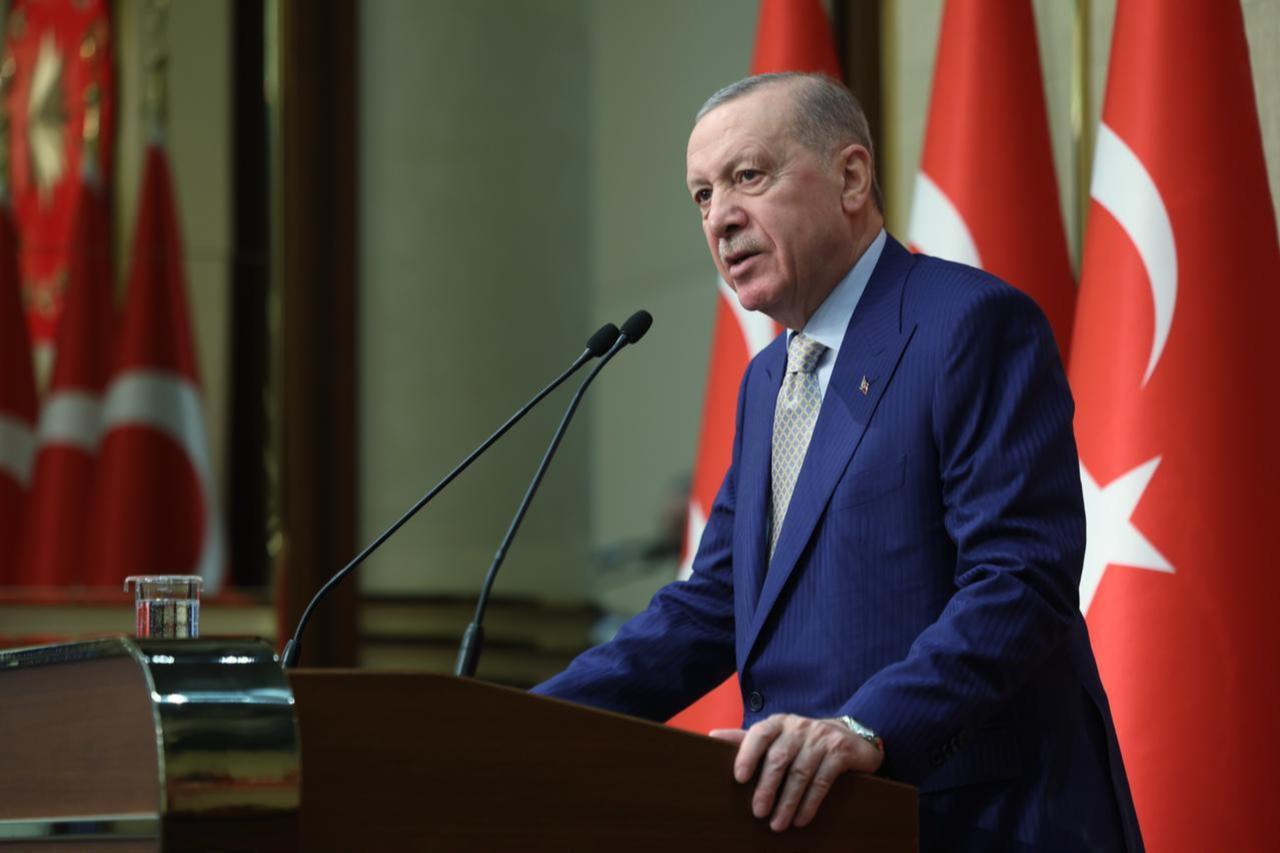


Turkish President Recep Tayyip Erdogan has raised concerns with European Commission President Ursula von der Leyen over a draft EU regulation that would prioritize “Made in Europe” automotive products in public procurement, officials familiar with the matter said.
Officials said Erdogan sent a letter to von der Leyen on Dec. 4 expressing concern that treating Türkiye as a third country under the proposed regulation could have unintended consequences for regional value chains and the EU–Türkiye Customs Union.
The letter was part of a broader effort by Ankara to warn that exclusion from such initiatives could negatively affect several Turkish industries, particularly the automotive supply sector.
Türkiye and the European Union established their Customs Union in 1995 as part of Ankara’s EU accession process.
The agreement covers industrial goods and processed agricultural products but excludes sectors such as services, agriculture and digital trade.
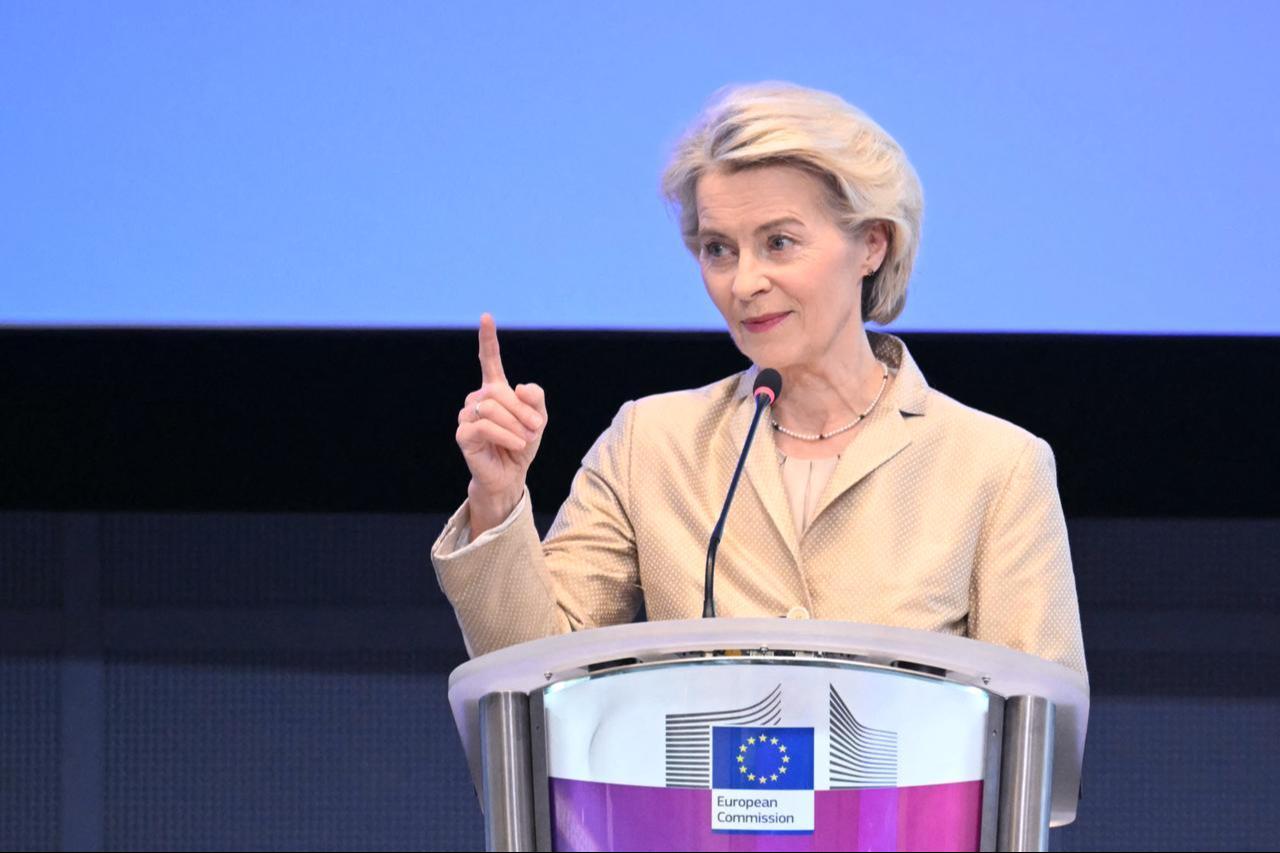

According to the draft proposal, the EU plans to introduce minimum local-content requirements for public procurement of key green technologies, including batteries, solar and wind components, and electric vehicles, in order to support domestic industries.
Under the plan, the lowest price would no longer be the sole criterion when public bodies purchase items such as fleets of buses or cars.
The draft defines “Made in Europe” as products originating from EU member states and European Economic Area countries; Iceland, Norway and Liechtenstein, while excluding Türkiye.
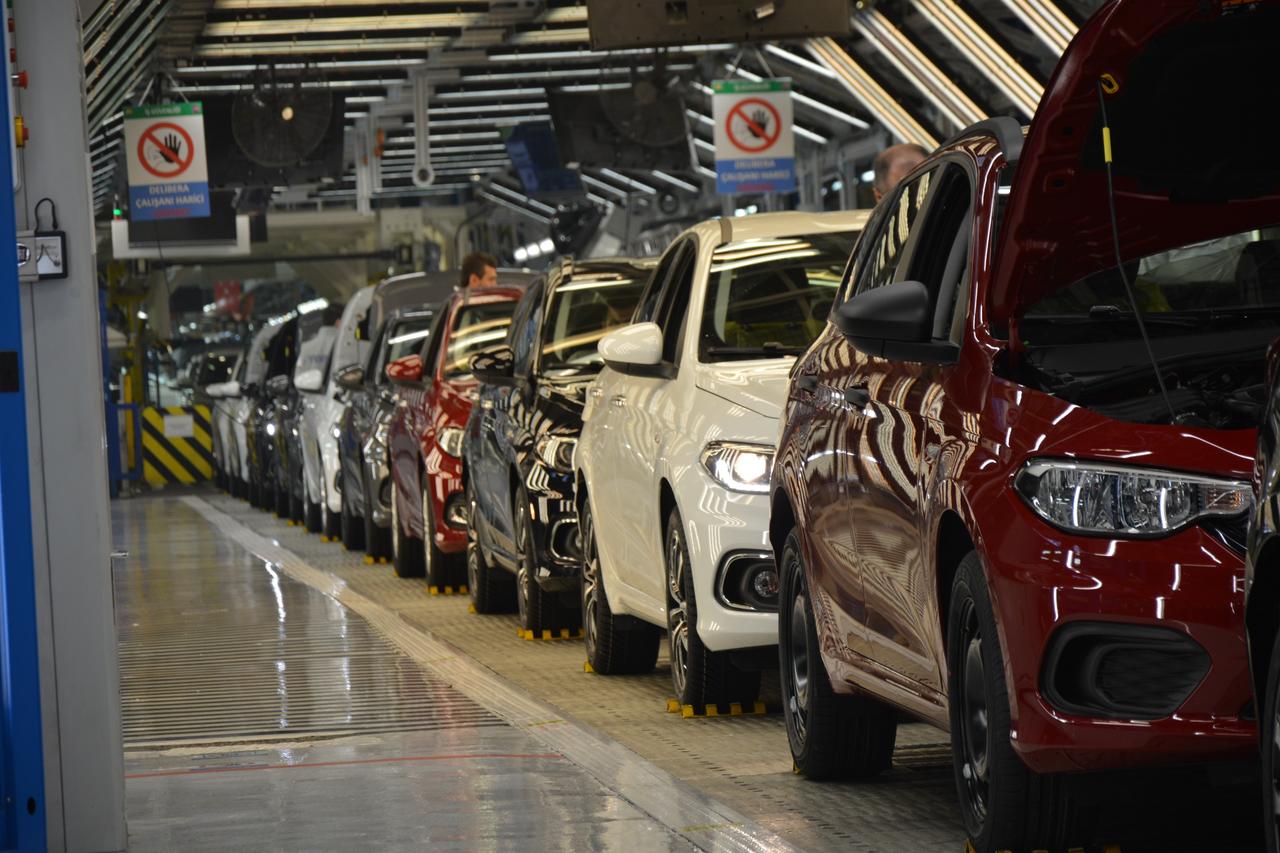
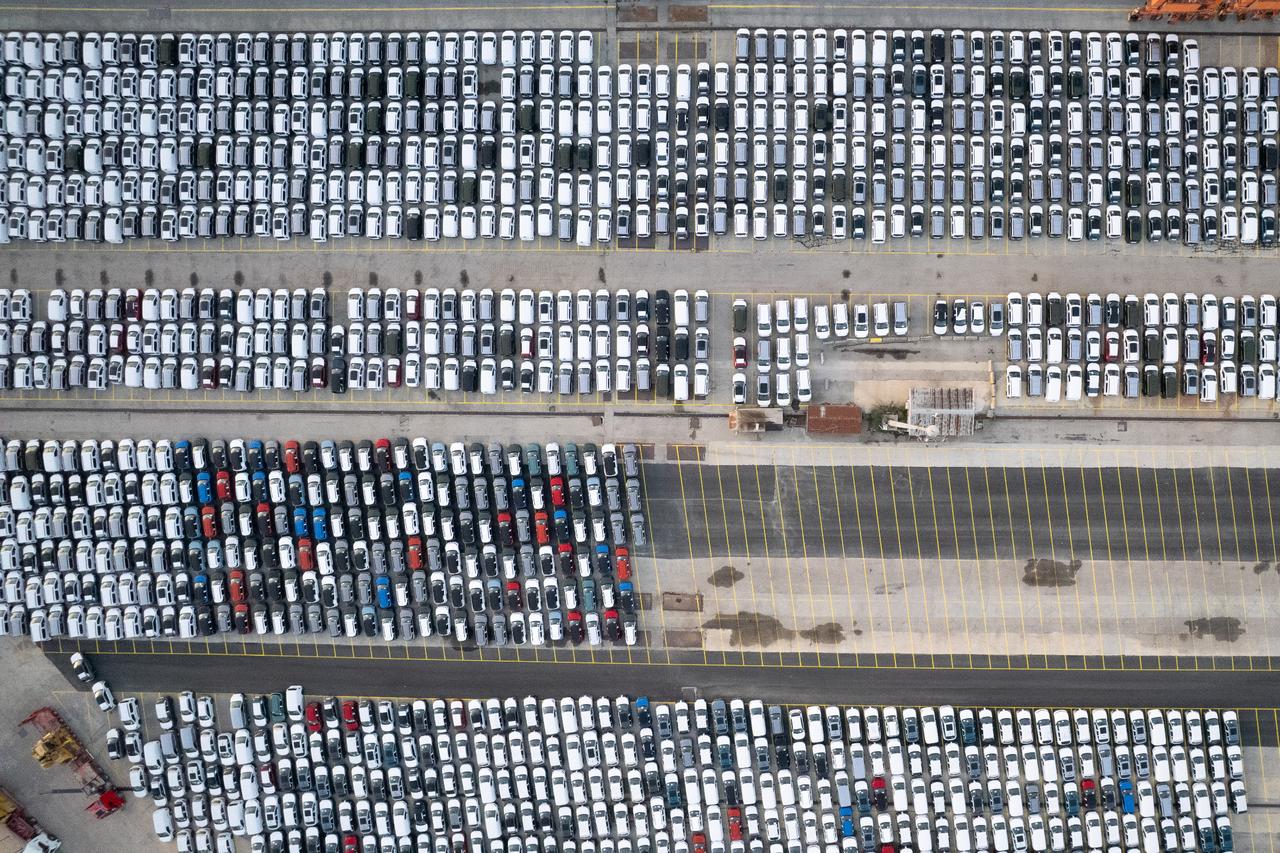
In 2025, Türkiye’s automotive exports to the EU totaled about $30 billion, accounting for 72% of the country’s total automotive exports, including parts and components.
The draft legislation states that while EU countries must ensure a minimum percentage of European-origin content, certain exemptions may apply to countries that maintain free trade agreements with the bloc.
Turkish columnist Barcin Yinanc, who first reported on Erdogan’s letter, wrote that the draft regulation guarantees the EU will uphold its international obligations. She said business representatives believe the EU–Türkiye Customs Union should fall under that definition.
An official said the legislation, expected to be unveiled this week, has not yet been ratified and that reaching agreement within the European Parliament and the Council could take months or longer.
The official added that there remains room for exemptions given Türkiye’s unique level of economic integration with the EU.
Istanbul-based consultant Ussal Sahbaz said excluding Türkiye from the program could effectively undermine the customs union for several industries, particularly automotive supply chains built on that framework.
He also said Turkish companies, despite ranking among Europe’s leading manufacturers, have long relied on official institutions for lobbying efforts and should now pursue more direct and sustained engagement in Europe.


 Set as preferred source
 Set as preferred source


 1 min read
 1 min read