Newsletters




Iraq's Oil Minister said an oil agreement signed with Türkiye on Aug. 1 aims to raise export rates above 700,000 barrels per day, as Baghdad separately holds talks with Iran aimed at ensuring the smooth passage of oil tankers through the Strait of Hormuz.
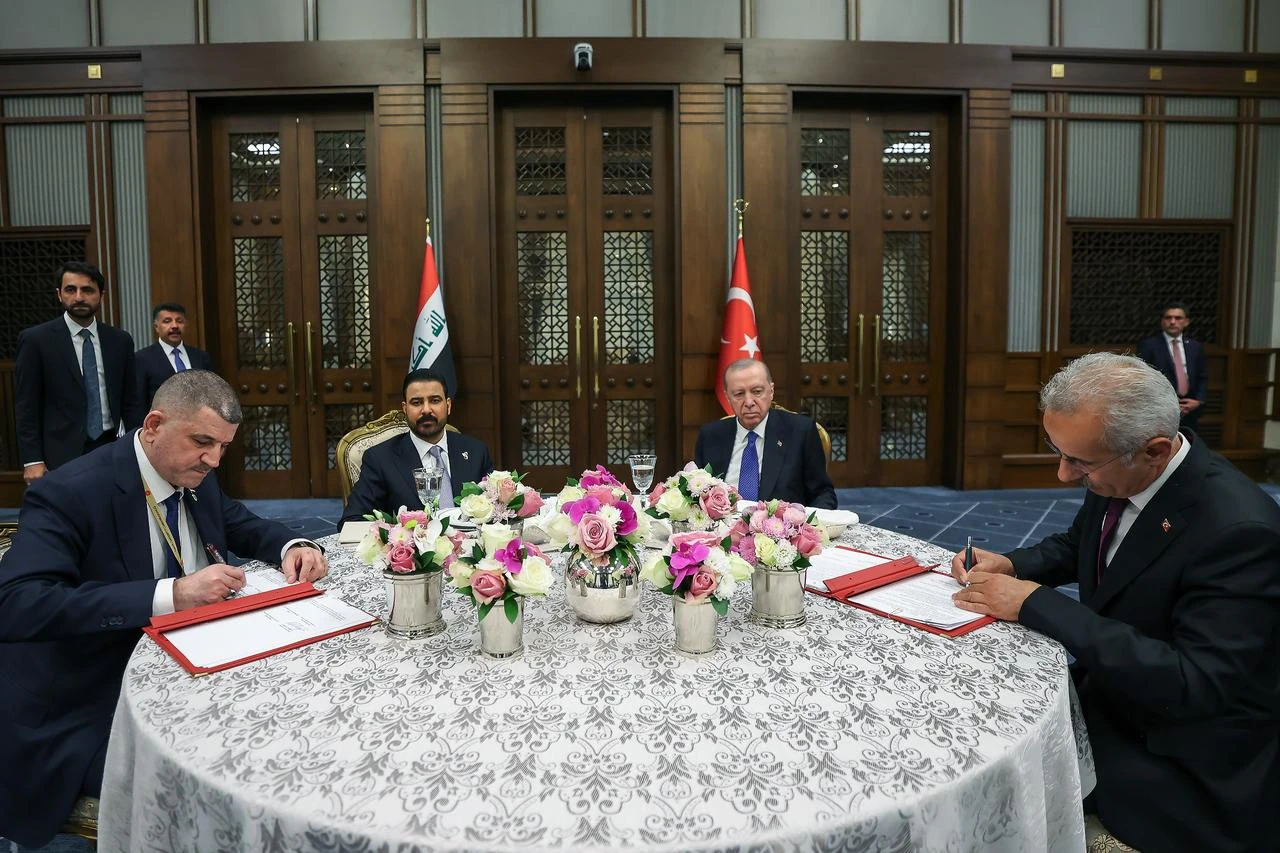
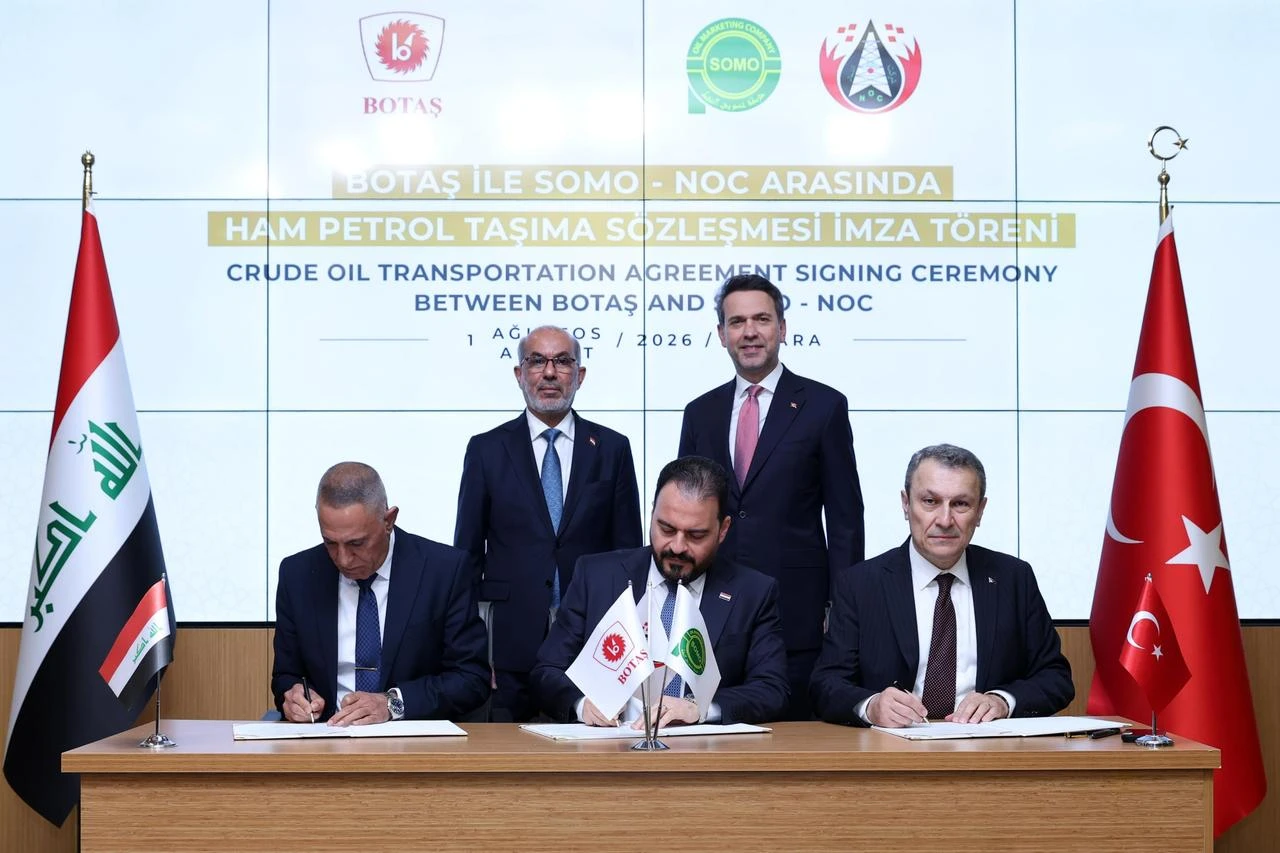
Oil Minister Bassem Mohammed Khudair told Iraq's official news agency INA that Iraq and Türkiye reached "an important agreement" signed Aug. 1, extending existing oil understandings between the two countries for one year, during which a draft long-term framework agreement will be prepared.
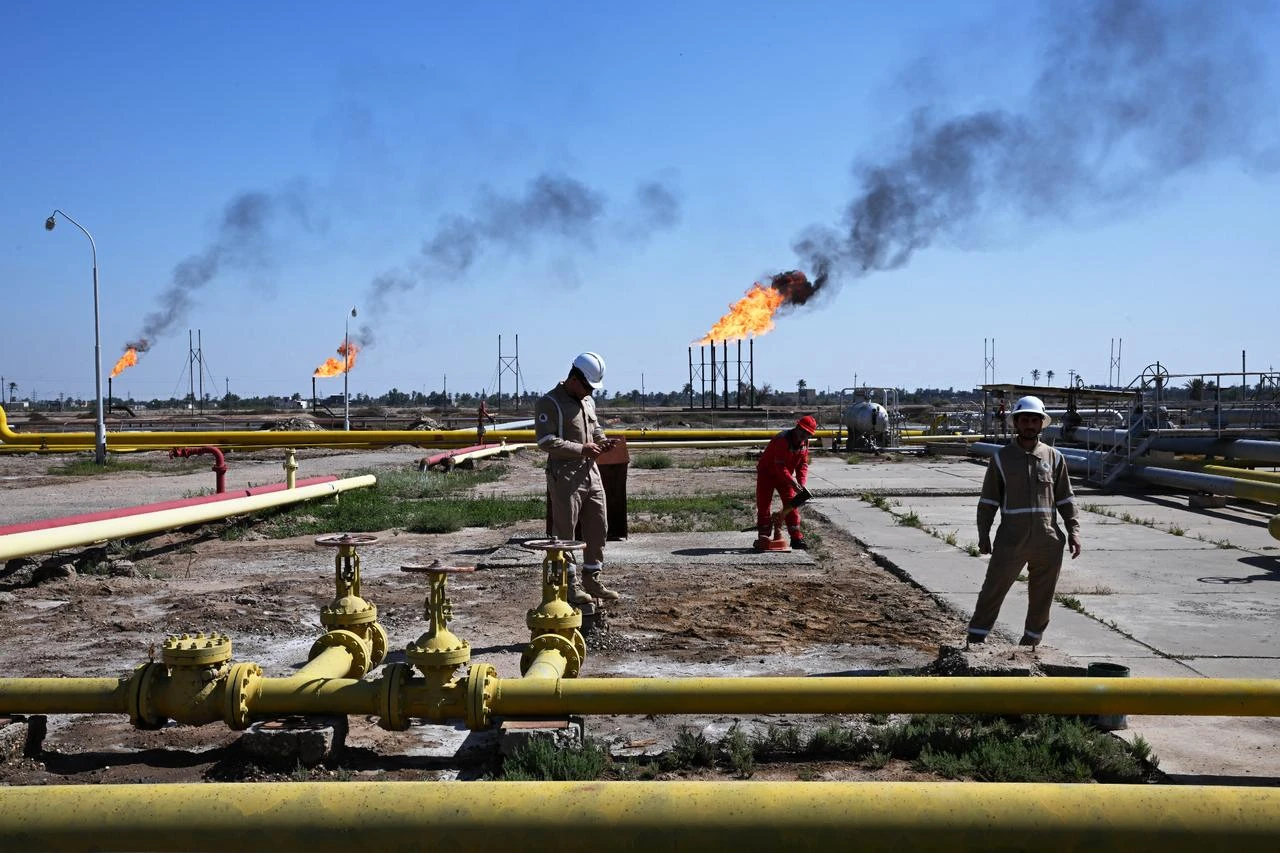
"The agreement aims to ensure the continued export of crude oil from the Kurdistan Region's fields, in addition to an ambitious plan to transport a portion of the southern oil fields via pipeline, reaching export rates exceeding 700,000 barrels per day," Khudair said.
The deal, signed by Türkiye's state pipeline operator BOTAS and Iraq's state oil companies SOMO and NOC, establishes a one-year interim framework for operating the Kirkuk-Ceyhan pipeline while the two governments negotiate a broader long-term agreement, with the stated aim of raising flow from a current 180,000 barrels per day to 750,000 bpd.barrels per day.

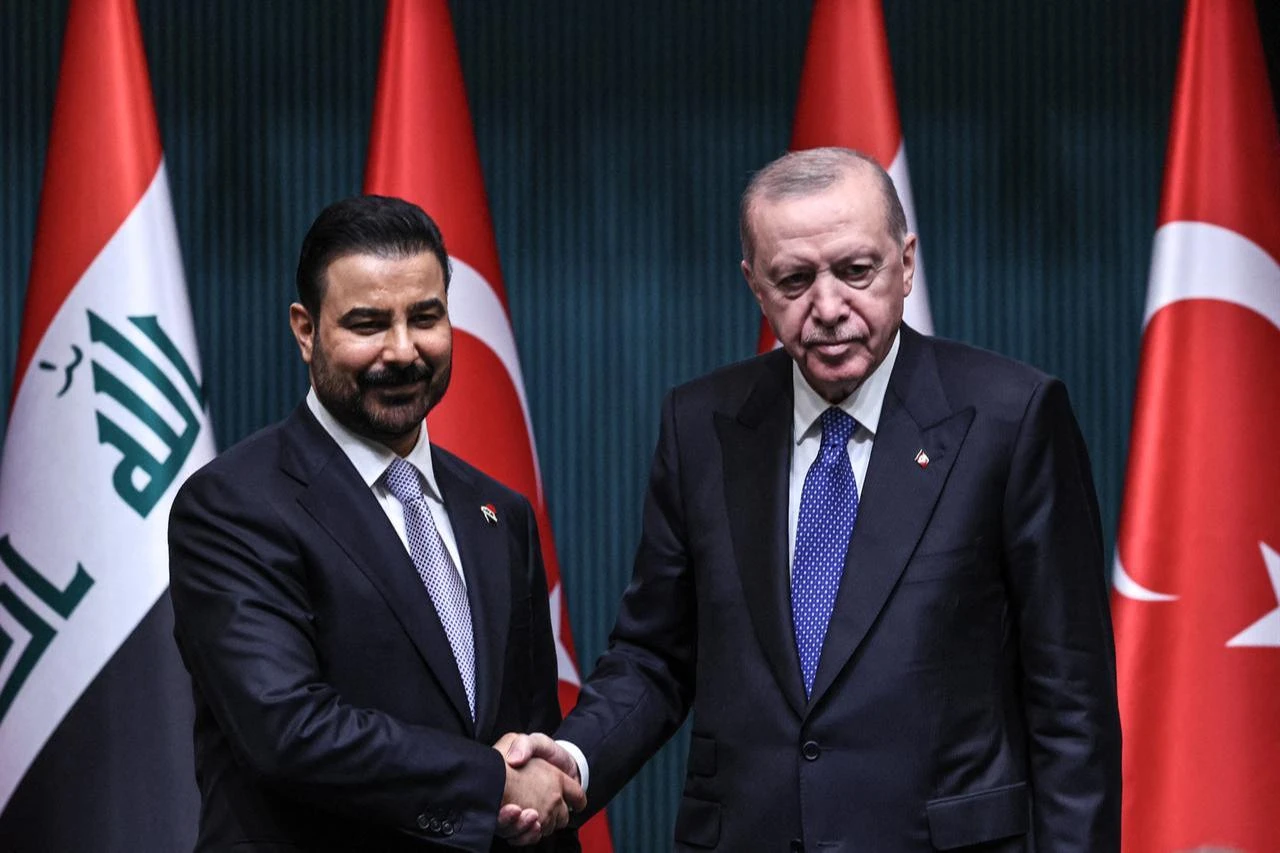
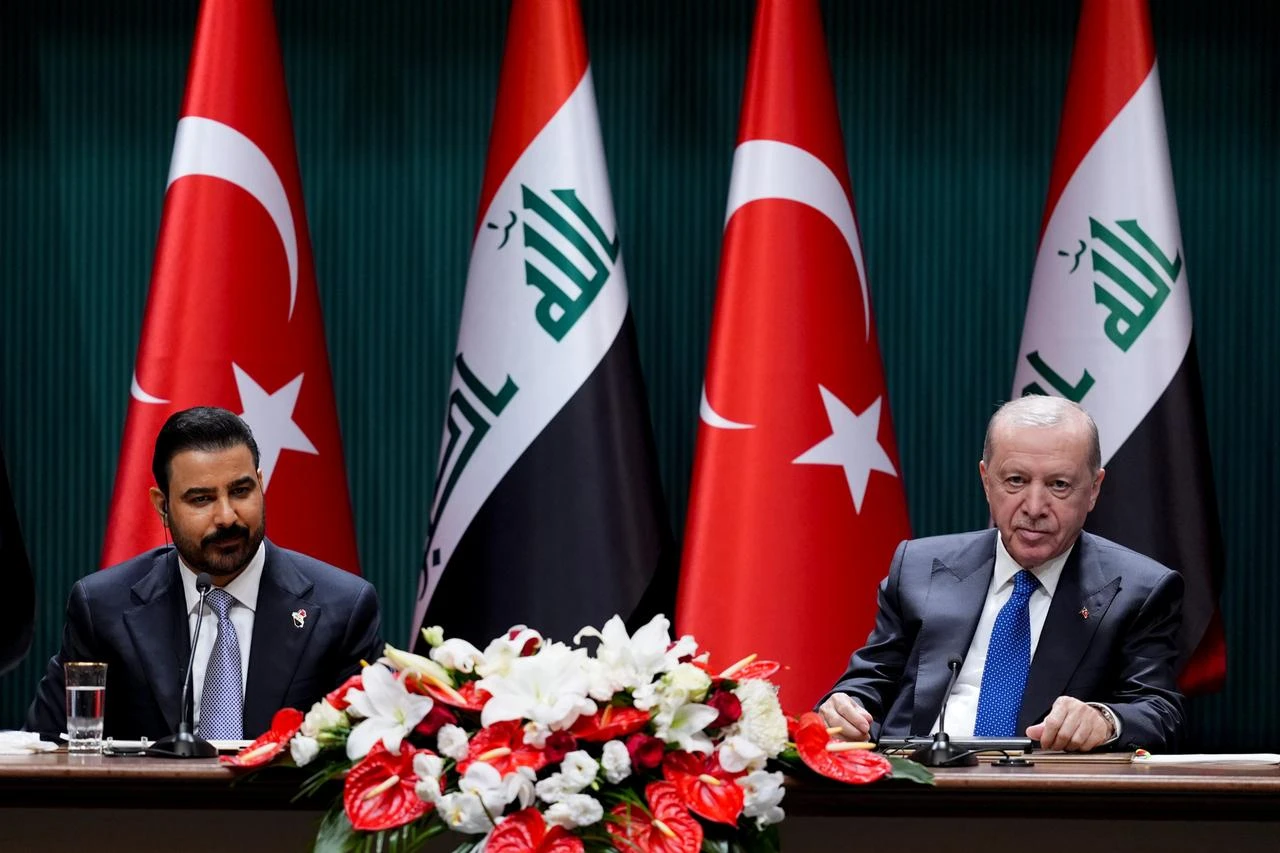
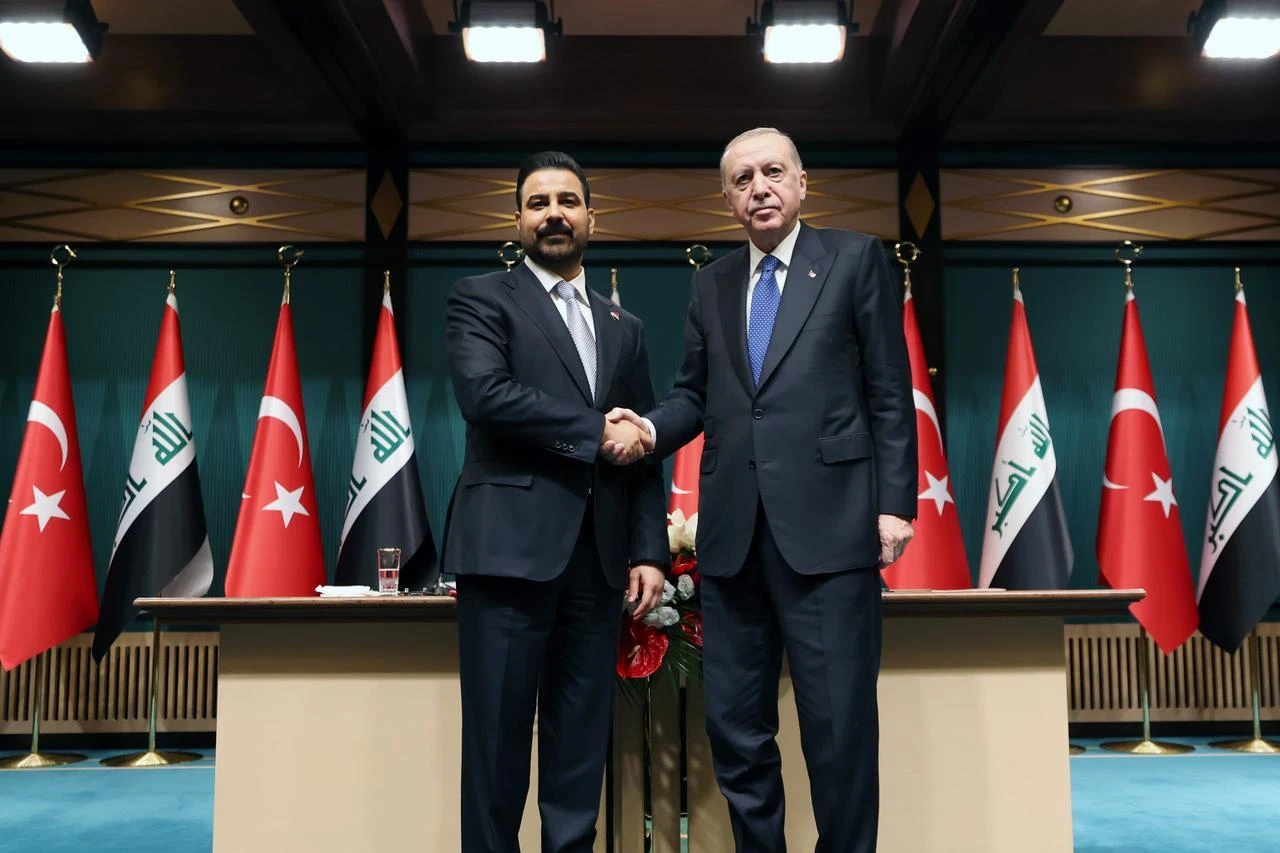
Khudair said economic and political discussions held alongside Iraqi Prime Minister Ali al-Zaidi's visit to Ankara addressed expanding frameworks for comprehensive economic cooperation and the signing of several Memorandums of Understanding (MoUs).
He said Iraq's approach is based on "building bridges of communication, partnership, and joint investment" with neighboring countries as a pillar of support for the national economy. He also noted that financial revenues from increased exports and expanded contracts with international companies would be directed toward infrastructure projects in health, education and transportation, as well as developing Iraq's human resources.
Khudair said Iraq's delegation had also held talks with Iranian counterparts on ensuring the smooth flow of oil tankers through the Strait of Hormuz, expressing hope that significant understandings could be reached within the coming days to help protect and ease the passage of shipments and tankers through the waterway.
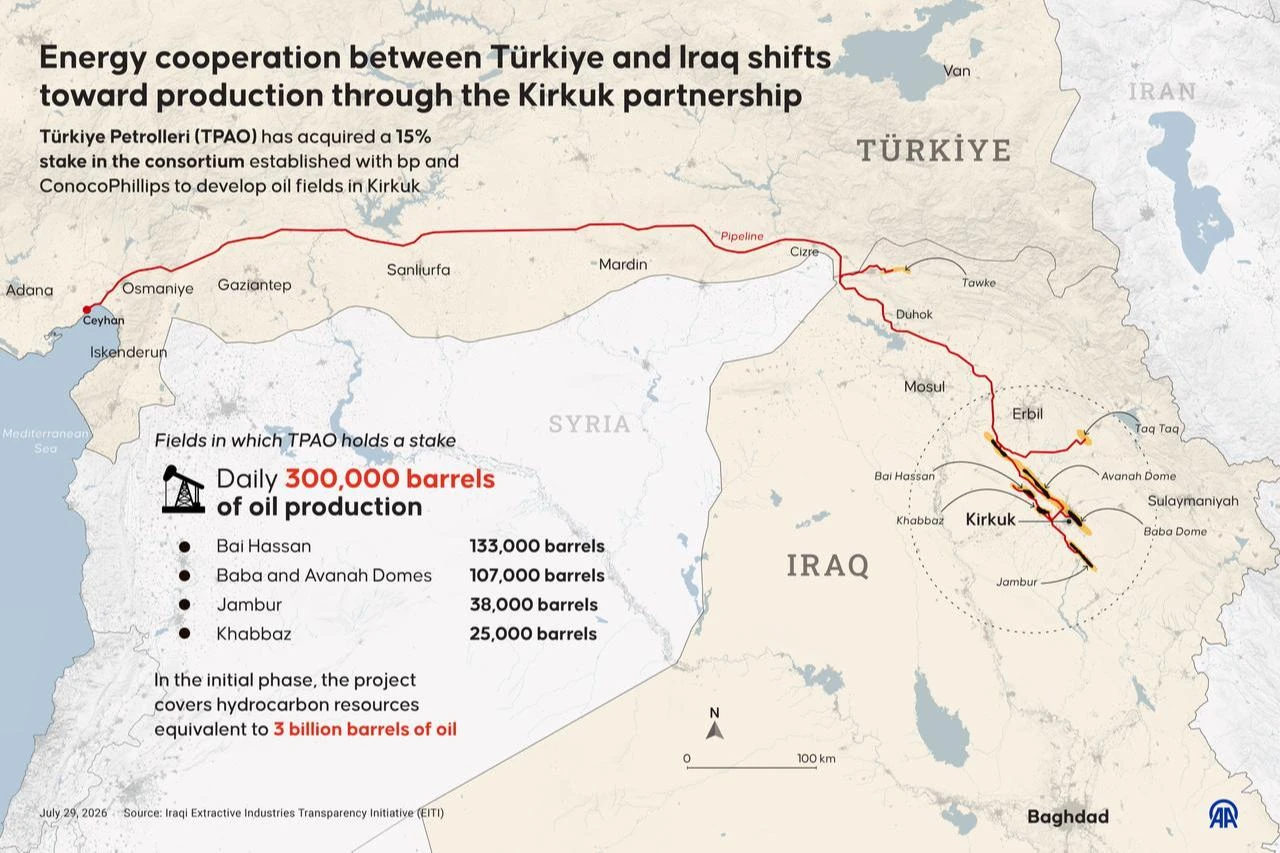
The Kirkuk–Ceyhan pipeline runs roughly 970 kilometers from northern Iraq to Ceyhan and consists of two parallel lines with a combined capacity of about 1.5 million barrels per day.
Flows were suspended for roughly two and a half years after an international arbitration tribunal ordered Türkiye to pay Iraq $1.5 billion over unauthorized crude exports from Iraq's northern region between 2014 and 2018, with exports resuming only after Baghdad and Erbil reached a new arrangement in September 2025.
During Zaidi's Ankara visit, President Recep Tayyip Erdogan said the Iraqi prime minister had proposed supplying Türkiye with up to 1 million barrels of Iraqi crude oil per day.
Türkiye's state-owned Turkish Petroleum (TPAO) has also agreed to acquire a 15% stake in BP Energy Company of Kirkuk Limited, joining BP and ConocoPhillips in redeveloping the Kirkuk oil fields, where the initial development phase is expected to unlock approximately 3 billion barrels of reserves.


 Set as preferred source
 Set as preferred source


 1 min read
 1 min read