Newsletters


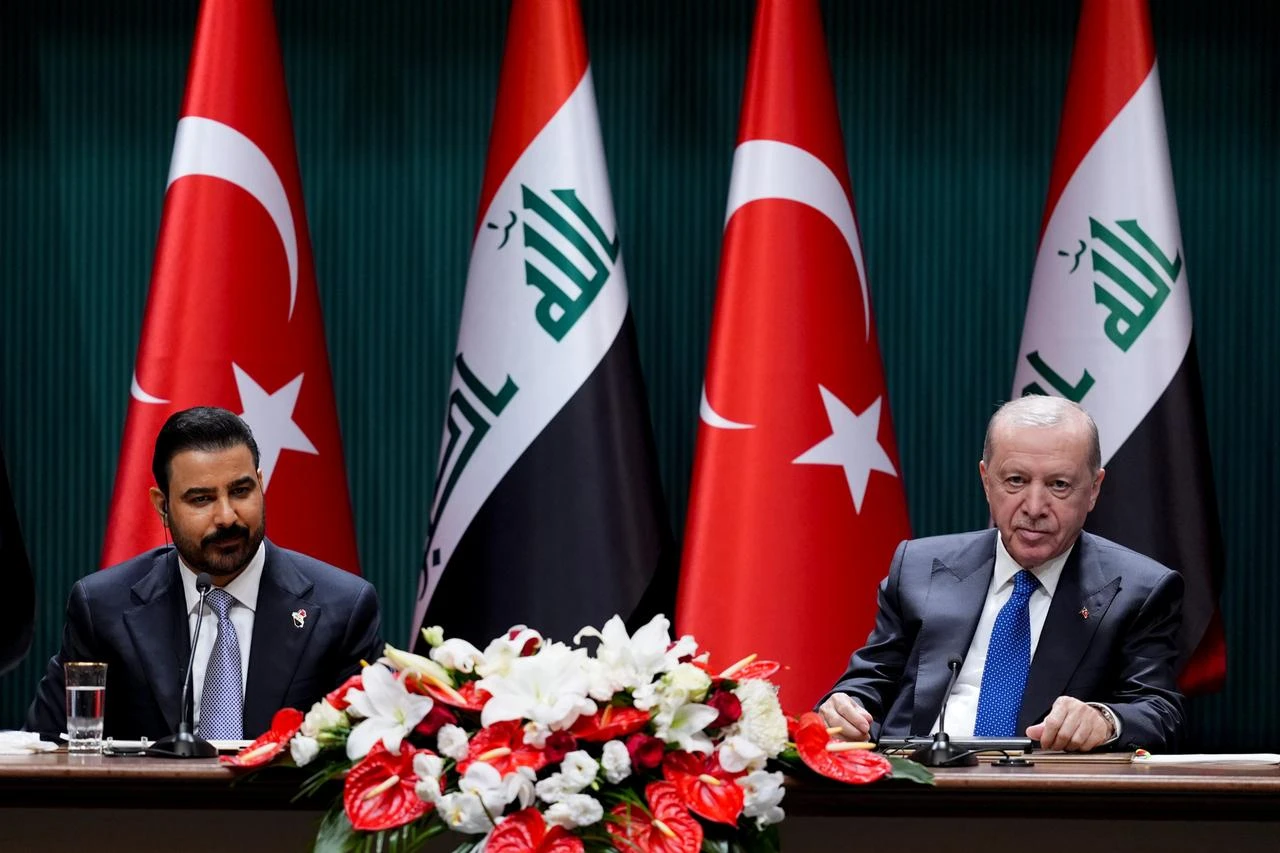


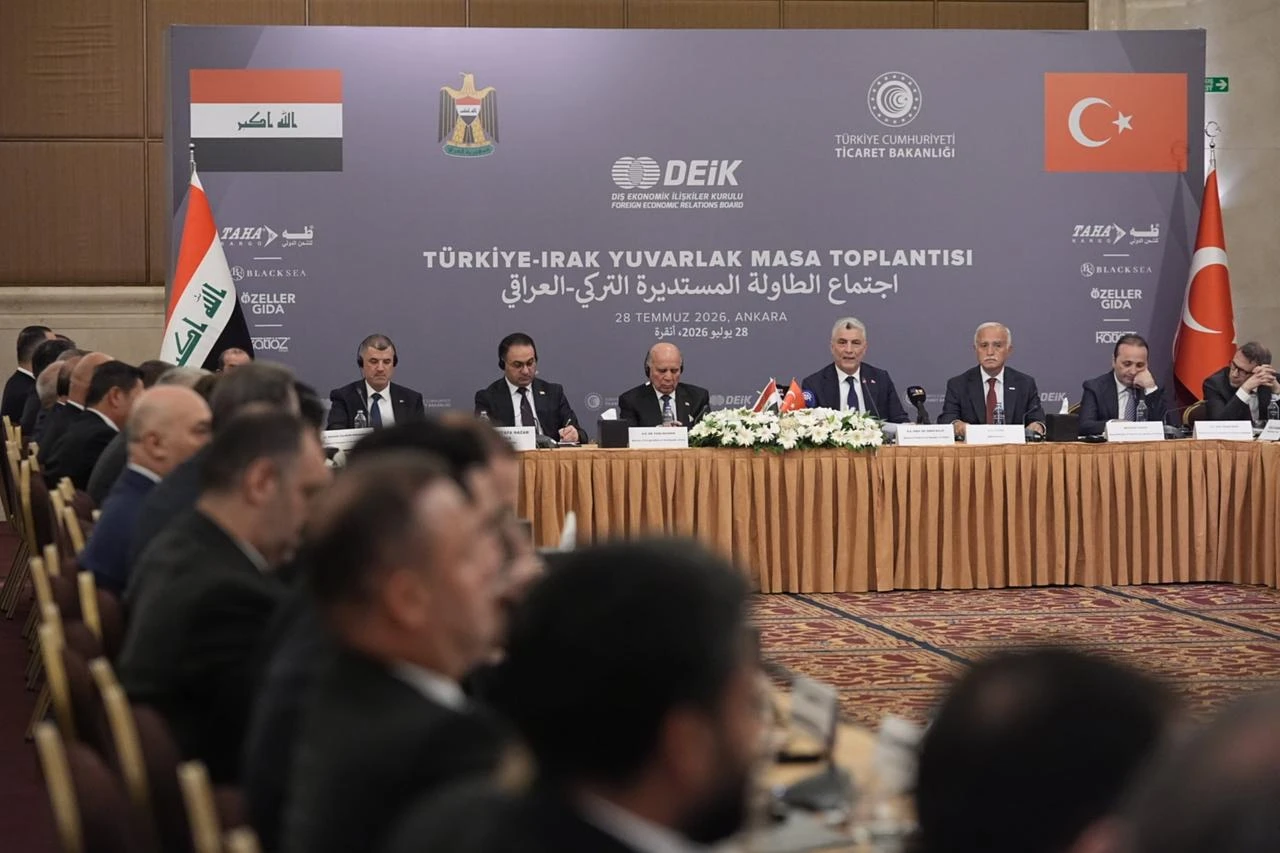
Five agreements were signed in Ankara Tuesday during the new Iraqi Prime Minister Ali Zaidi's fourth overseas visit to Türkiye. A minor incident occurred during the live broadcast with President Recep Tayyip Erdogan and Prime Minister Ali Zaidi.
Iraq's Transport Minister Vahb al-Hasani caused a diplomatic scandal when, while signing an agreement relating to two sections of the Development Road Project, he stated, "I have conveyed my objection to the Prime Minister."
Before becoming transport minister, Hasani served on the Shura Advisory Council of the Iran-backed Badr Organisation and worked in the private secretariat of its leader, Hadi al-Amiri.
According to some Iraqi sources, Hasani fought against Iraq during the Iran-Iraq War, and the minor crisis in Ankara yesterday was caused by a message sent to Hasani by Iran through the Badr Organisation. Of course, it is impossible to know for certain right now, but this is the account given by Iraqi analysts and commentators.
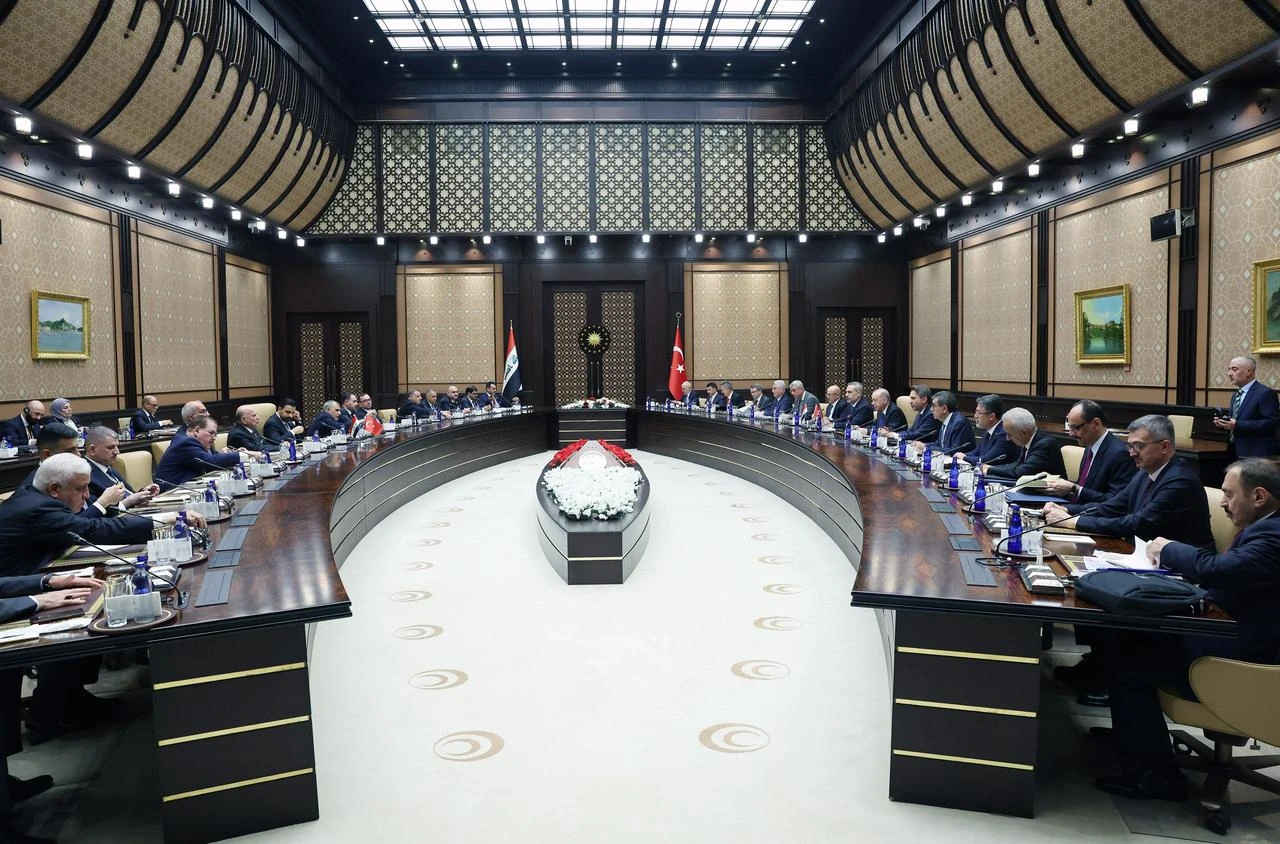
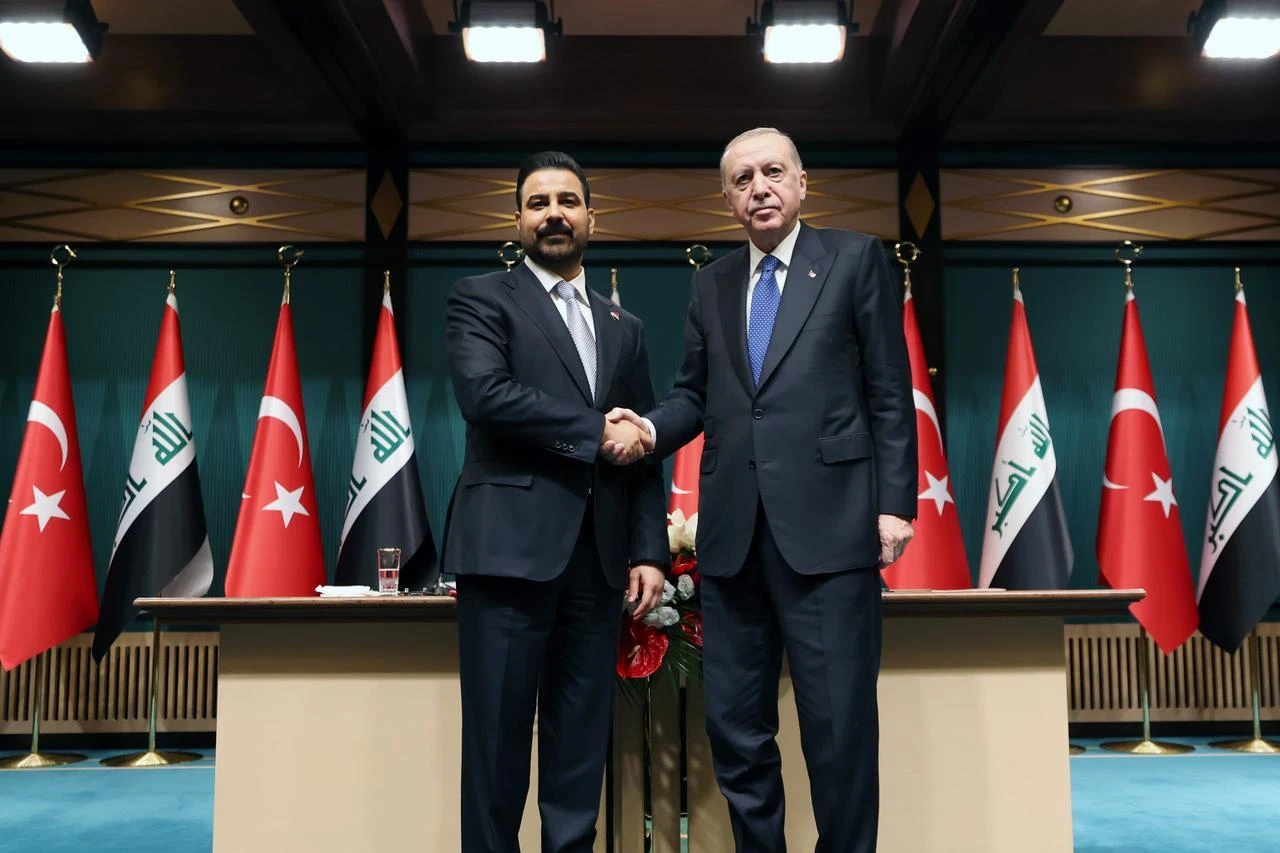
However, Tuesday's crisis was quickly resolved, and agreements were signed. Five memorandums of understanding were signed. In two of these, Hasani signed on behalf of Iraq.
The Development Corridor project was associated with the memorandum of understanding on Rail and Road Transport via the Fishabur-Ovakoy Border Crossing and the Framework Memorandum of Understanding on the Development of Transport Infrastructure within the Republic of Iraq in Exchange for Natural Resources. At the same time, this long-awaited agreement opened the door to investment in exchange for natural resources.
Given the Strait of Hormuz crisis and the U.S.' efforts to circumvent it, these agreements will significantly weaken Iran's 'energy chokepoint' argument.
Furthermore, the success of these initiatives—which would result in more regulated commercial and economic relations between the central Iraqi government and the KRG—does not please Iran.
In other words, while geopolitical competition was being reshaped in Ankara, we witnessed an episode of Iranian influence that lies at the heart of Iraq's structural problems.

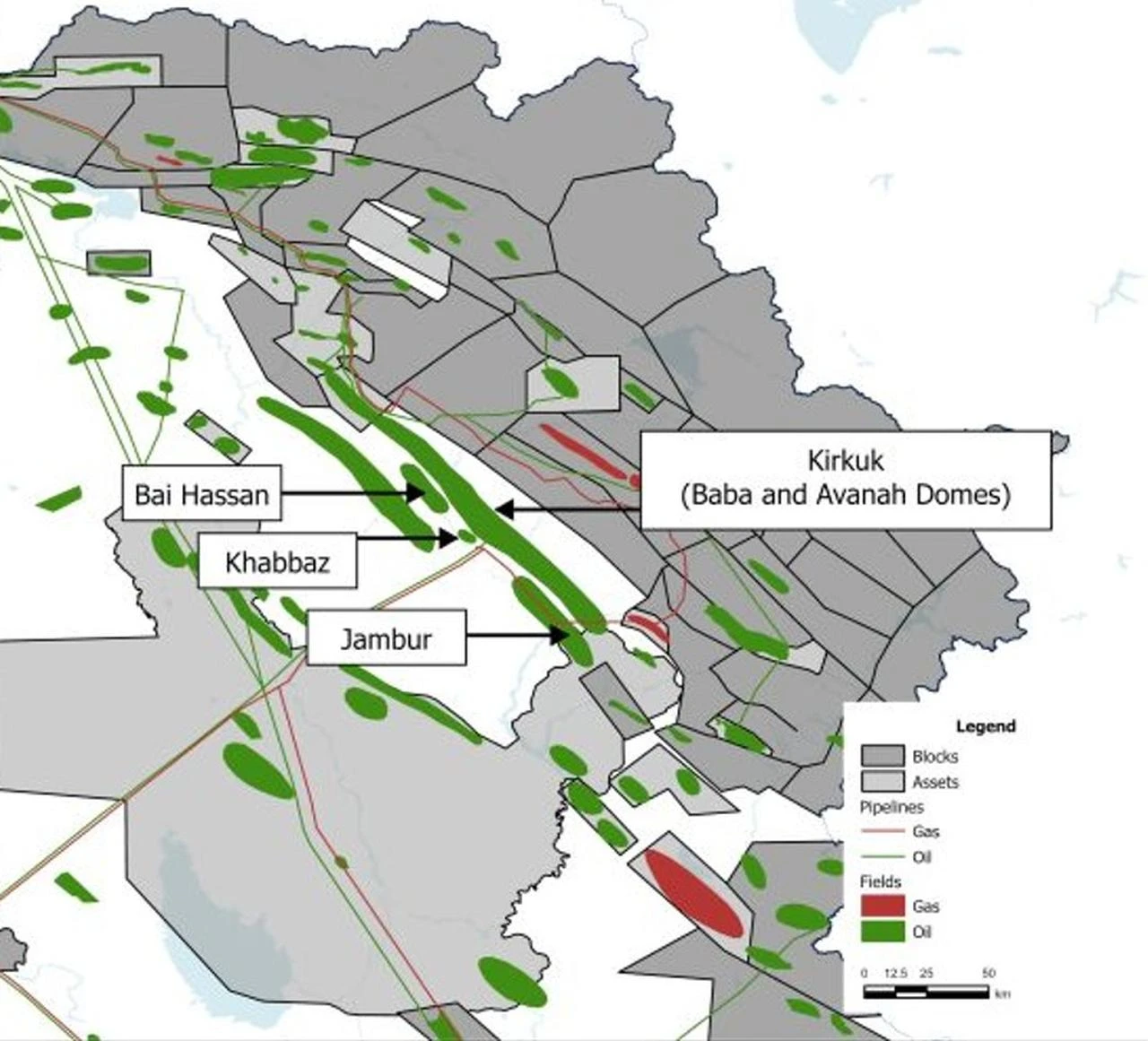
Türkiye's state-owned oil company, TPAO, acquired a 15% stake in BP's Kirkuk production fields. President Erdogan also announced plans to purchase 1 million barrels per day from Iraq.
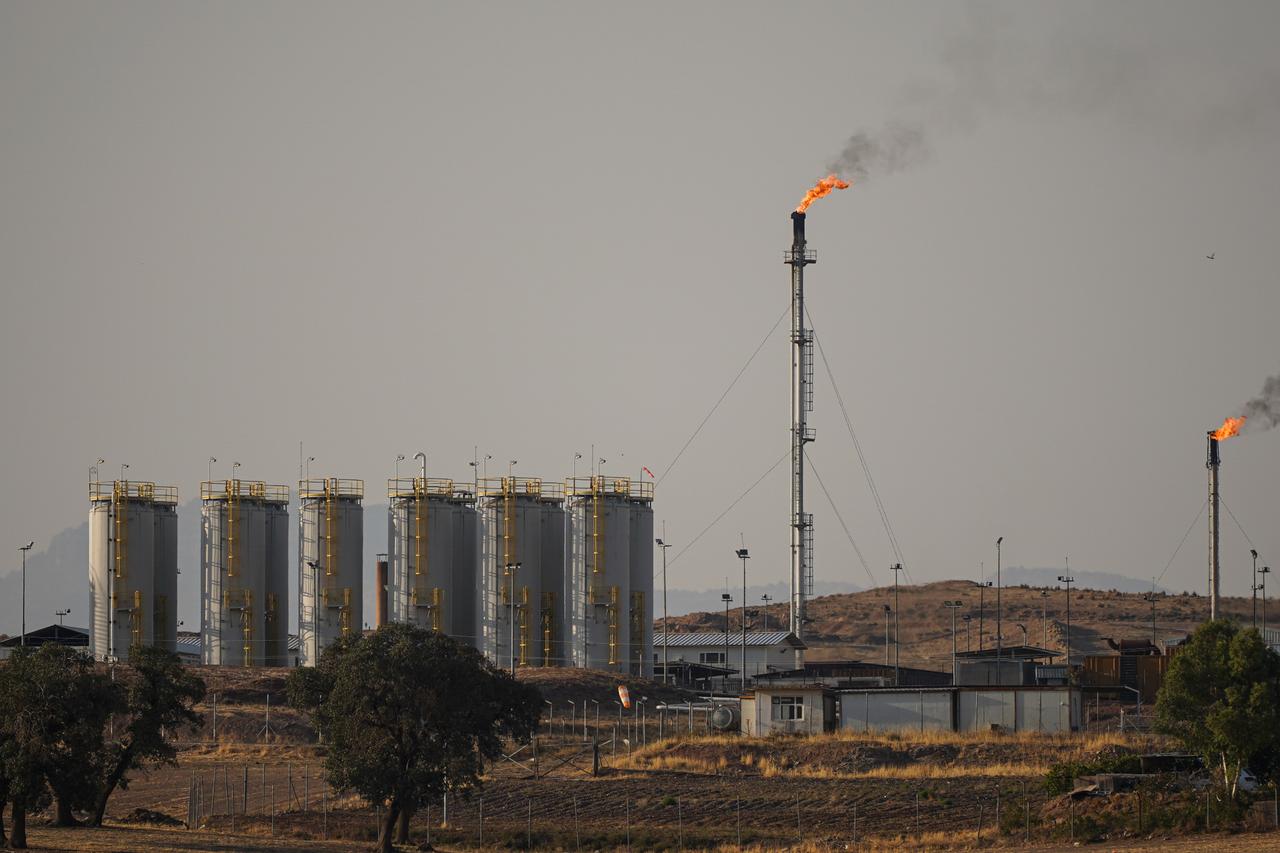
These two developments have gone down in the records as the largest bilateral energy agreement between Iraq and Türkiye. Türkiye will now participate as a joint producer in four key fields in Kirkuk: the Baba and Avanah domes, as well as Bai Hassan, Jambur, and Khabbaz.
ConocoPhillips is BP’s other partner in the same area, holding a 42% stake. According to figures from July 2026, approximately 320,000 barrels of oil are being extracted daily from these fields.
With this agreement, Türkiye has increased its production volume in Iraq by a factor of several hundred compared to its previous ventures in Badra and Missan.
President Erdogan's remarks at the joint press conference led to an additional development. Erdogan stated that Iraqi Prime Minister Zeydi had offered to "supply Türkiye with 1 million barrels of oil a day," and that there is no need to rely on others. God willing, once we have transferred 1 million barrels of oil here, we will have met our requirements."
This could be described as a bilateral agreement between Türkiye and Iraq over a large volume of oil, measured in barrels per day. However, it is important to note that this is not an energy transit agreement; Türkiye will receive this volume to meet its own requirements.
Although it is a significant agreement, it is not directly related to Türkiye's ambitions to become a secure energy transit country. In other words, it is not a counter-move to the U.S. initiative for the Basra-Haditha-Kirkuk-Haditha-Banias route or the Kirkuk-Ceyhan Project. Certainly not for the time being.
However, if we look at the figures of the last decade, the target of 1 million barrels per day will not make Türkiye dependent on anyone else, as President Erdogan said. However, it is worth noting that this agreement is a strong indicator of the Development Corridor project, an energy transfer route from Basra to Ceyhan but not yet appropriate to assess at that stage.
However, the Kirkuk–Ceyhan pipeline, with existing and expandable capacity, can carry at least 3.5 times more than the Kirkuk–Baniyas oil pipeline—planned by the U.S. and for which an agreement has been signed—which has a daily capacity of 300,000 barrels and needs no rehabilitation or refurbishment work.
The Kirkuk-Baniyas pipeline will take at least two years to reach its full capacity and the targeted daily crude oil transport capacity of 2 million barrels, assuming, of course, that all goes according to plan.
In short, the events that took place in Ankara yesterday and the agreements signed there should be recorded and not forgotten as signs of a transition to a new geostrategic competitive order and as carefully calibrated messages.


 Set as preferred source
 Set as preferred source


 1 min read
 1 min read