Newsletters


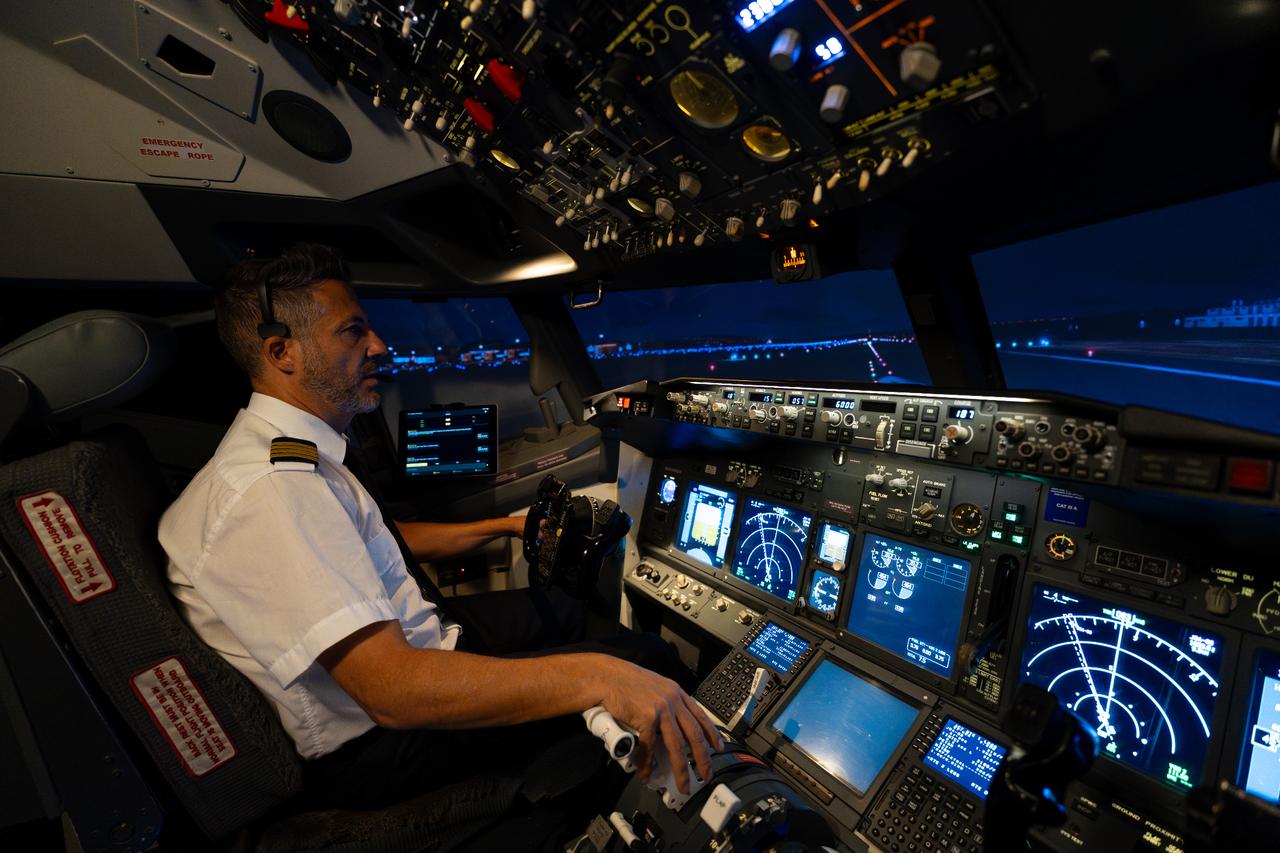


Türkiye had 17,910 pilots in 2025, up 10% year-on-year, while the number of passenger and cargo aircraft in the country climbed to 800 by the end of 2025, Transport and Infrastructure Minister Abdulkadir Uraloglu said in a written statement citing 2025 data from the Directorate General of Civil Aviation.
Linking the workforce growth to broader sector expansion, Uraloglu said civil aviation in Türkiye has built up strongly over the past 23 years, with gains showing up across aircraft fleets, seating and cargo capacity, route networks, and licensed personnel.
Uraloglu pointed to Türkiye’s geography, saying the country sits at the center of 67 countries and a population of 1.5 billion within a four-hour flight radius, and that aviation policy has been shaped around this advantage. In that context, he said Türkiye has been turned into one of the countries with the widest flight networks, keeping the notable line intact: “Ulkemizi dunyanin en genis ucus agina sahip ulkelerinden biri haline getirdik.”
He also said the number of air transport agreements (bilateral deals that set the framework for scheduled international flights between countries) rose from 81 in 2003 to 175. According to the statement, talks were held with 24 countries in 2025, and new flights were launched to Leeds, Newcastle, Bristol, Cork, Port Sudan, Sevilla and Phnom Penh. He added that more than 700 negotiations have been carried out since 2002, while the international network expanded from flights to 60 points in 50 countries to 356 points in 133 countries.
Placing the fleet jump in a wider industry picture, Uraloglu said the total number of aviation enterprises rose from 159 in 2003 to 457 by the end of last year. For end-2025, he listed 14 airline operators, 46 air taxi operators (on-demand charter services, typically using smaller aircraft), 102 general aviation operators (non-scheduled civil flying outside major airlines, including private and training flights), and 71 balloon operators.
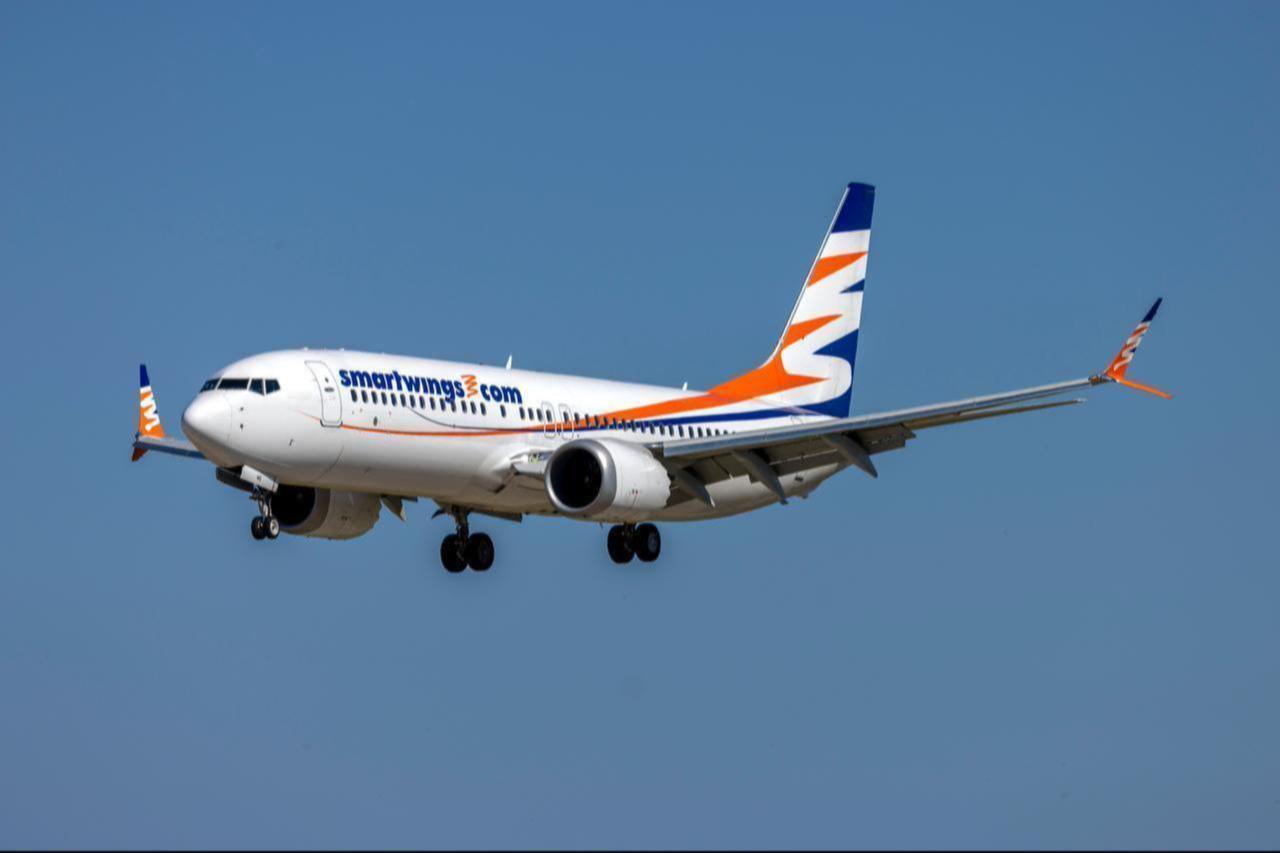
He also noted that, by the end of last year, there were 13 very light aircraft operators (small, light-category aircraft businesses), 165 maintenance organizations, and 46 ground handling companies (airport service providers supporting aircraft and passengers on the ground). Against that backdrop, he said passenger and cargo aircraft increased from 162 in 2003 to 800 by the end of 2025, a 394% rise, adding that the national fleet has “nearly quintupled” since 2003. Including air taxis, general aviation aircraft, balloons and very light aircraft, the total number of aircraft was reported at 2,218.
Uraloglu said passenger capacity expanded substantially, with seat capacity rising from 27,599 in 2003 to 157,785 in 2025, which he said helped strengthen accessibility on domestic and international routes and supported “sustainable growth” in passenger transport.
On the cargo side, he said air freight capacity increased from 302,737 kilograms in 2003 to 2.9 million kilograms in 2025, describing air cargo as having taken on a more strategic role in recent years.
Turning back to human capital, he said 26,888 licensed personnel were active in 2025. Alongside the 17,910 pilots, he said licensed technical personnel (certified aircraft maintenance and engineering staff) rose 8% year-on-year to 8,978.


 Set as preferred source
 Set as preferred source


 2 min read